To amend title XVIII of the Social Security Act to establish certain requirements with respect to rates of reversed prior authorization coverage determinations under Medicare Advantage plans.
Analysis under review: This bill has generated analysis that may be too generic or incomplete. Clause-level evidence remains available below.
Summary
What This Bill Does
Requires HHS to terminate a Medicare Advantage plan's contract if the plan exceeds an allowable rate of reversed prior authorization denials.
Who Benefits and How
Medicare beneficiaries could benefit from stronger pressure on Medicare Advantage plans to avoid inappropriate prior authorization denials.
Who Bears the Burden and How
Medicare Advantage organizations would risk contract termination if too many prior authorization denials are later reversed or if reversal rates fall for suspect reasons.
Key Provisions
- Requires HHS to terminate a Medicare Advantage plan contract if the plan exceeds the allowable rate of reversed prior authorization determinations.
- Defines the threshold using reversal rates and certain suspicious drops in reversal behavior.
Evidence Chain:
This summary is generated from the full bill text using AI analysis. Expand "Detailed Analysis" below for identified beneficiaries/burden bearers.
At a Glance
What This Bill Does
Requires HHS to terminate a Medicare Advantage plan's contract if the plan exceeds an allowable rate of reversed prior authorization denials.
Key Policy Areas
Healthcare, Government Operations
Primary Purpose
Requires HHS to terminate a Medicare Advantage plan's contract if the plan exceeds an allowable rate of reversed prior authorization denials.
Policy Domains
Main Provisions
Identified Gains
Contextual inference, no direct clause citation- Medicare beneficiaries affected by prior authorization denials
Contextual inference, no direct clause citation
Identified Costs
Contextual inference, no direct clause citation- Medicare Advantage organizations subject to contract termination for excessive reversed denials
Contextual inference, no direct clause citation
Sponsors
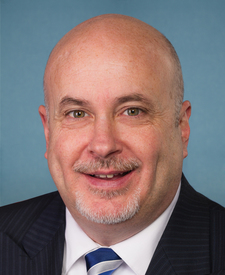

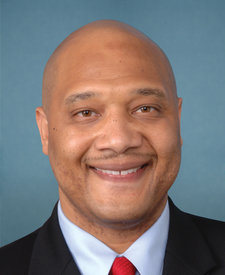


Legislative Progress
IntroducedMr. Pocan (for himself, Mr. Carson, Mr. Cohen, Ms. DeLauro, …
Stakeholder Effects
cui bono?How this legislation distributes effects. Mention counts reflect frequency, not effect magnitude.
Medicare beneficiaries affected by prior authorization denials
Medicare Advantage organizations subject to contract termination for excessive reversed denials
Bill Structure & Actor Mappings
Who is "The Secretary" in each section?
We use a combination of our own taxonomy and classification in addition to large language models to assess meaning and potential beneficiaries. High confidence means strong textual evidence. Always verify with the original bill text.
Learn more about our methodology