CLEAR Path Act
Summary
What This Bill Does
The CLEAR Path Act targets post-government foreign influence by senior executive branch officials. It adds a new restriction to 18 U.S.C. 207 for people who served as heads, deputy heads, or other Senate-confirmed officials in executive departments or agencies. Covered former officials may not knowingly represent, aid, or advise a foreign governmental entity of a country of concern before U.S. executive or legislative branch officers or employees with intent to influence official decisions. The bill excludes licensed attorneys providing legal representation or advice, requires agencies to give notice of the restriction when officials are appointed and when they leave service, applies prospectively to future appointees, and ties added countries to a 30-day trigger after Congress approves a joint resolution. It also amends the State Department Basic Authorities Act to let the Secretary of State, in consultation with the Attorney General, propose additions or deletions to the country-of-concern list, with effectiveness only after congressional approval.
Who Benefits and How
National security officials benefit from a stronger post-employment barrier against senior former officials representing foreign governments of countries of concern. Ethics watchdogs benefit because the restriction covers heads, deputy heads, and other Senate-confirmed executive officials. Congressional foreign relations and judiciary committees benefit because country-list modifications must be submitted to committee leaders and approved by joint resolution. Executive agencies benefit from a notice rule that informs Senate-confirmed officials at appointment and departure.
Who Bears the Burden and How
Former Senate-confirmed executive officials must comply with a lifetime-style restriction on covered representation, aid, or advice for foreign governmental entities of countries of concern. Foreign governmental entities of countries of concern lose access to covered former senior U.S. officials for influence work. Executive agencies must provide appointment and separation notices and implement compliance procedures. The Secretary of State and Attorney General must prepare country-list proposals and submit them for congressional approval. Congress must process joint resolutions before additions or deletions to the country-of-concern list take effect.
Key Provisions
- Restricts former Senate-confirmed executive officials from representing foreign governmental entities of countries of concern before U.S. officials.
- Requires agencies to notify covered officials at appointment and termination of service.
- Excludes licensed attorneys providing legal representation or legal advice.
- Requires State Department and Attorney General consultation before proposing country-list changes.
- Requires congressional joint-resolution approval before country-of-concern modifications take effect.
Evidence Chain:
This summary is generated from the full bill text using AI analysis. Expand "Detailed Analysis" below for identified beneficiaries/burden bearers with clause-level evidence links.
At a Glance
What This Bill Does
Creates post-employment restrictions for Senate-confirmed executive branch officials who represent, aid, or advise foreign governmental entities of countries of concern before U.S. executive or legislative branch officials, and creates a congressional approval process for changing the country-of-concern list.
Key Policy Areas
Government Ethics, Foreign Influence, National Security
Primary Purpose
Creates post-employment restrictions for Senate-confirmed executive branch officials who represent, aid, or advise foreign governmental entities of countries of concern before U.S. executive or legislative branch officials, and creates a congressional approval process for changing the country-of-concern list.
Policy Domains
Substantive provisions
Identified Gains
- National security officials
- Government ethics watchdogs
- Congressional foreign relations committees
- Congressional judiciary committees
- Executive agencies issuing ethics notices
Identified Costs
- Former Senate-confirmed executive officials
- Foreign governmental entities of countries of concern
- Executive agency ethics offices
- Secretary of State staff
- Attorney General staff
- Congressional procedure staff
Sponsors
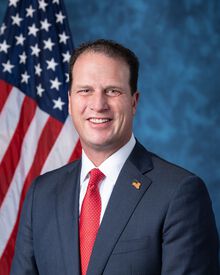
August Pfluger
R-TX | Primary Sponsor
Legislative Progress
In CommitteeMr. Pfluger (for himself and Mr. Crow) introduced the following …
Referred to the Committee on Foreign Affairs, and in addition …
Introduced in House
Stakeholder Effects
cui bono?How this legislation distributes effects. Mention counts reflect frequency, not effect magnitude.
Attorney General staff, Congressional foreign relations committees, Congressional judiciary committees
Positive-direction: Congressional foreign relations committees, Congressional judiciary committees
Negative-direction: Attorney General staff, Congressional procedure staff, Executive agency ethics offices, Former Senate-confirmed executive officials, Secretary of State staff
Foreign governmental entities of countries of concern
Bill Structure & Actor Mappings
Who is "The Secretary" in each section?
We use a combination of our own taxonomy and classification in addition to large language models to assess meaning and potential beneficiaries. High confidence means strong textual evidence. Always verify with the original bill text.
Learn more about our methodology