To allow Americans to receive paid leave time to process and address their own health needs and the health needs of their partners during the period following a pregnancy loss, an unsuccessful round of intrauterine insemination or of an assisted reproductive technology procedure, a failed adoption arrangement, a failed surrogacy arrangement, or a diagnosis or event that impacts pregnancy or fertility, to support related research and education, and for other purposes.
Analysis under review: This bill has generated analysis that may be too generic or incomplete. Clause-level evidence remains available below.
Summary
What This Bill Does
This bill, To allow Americans to receive paid leave time to process and address their own health needs and the health needs of their partners during the period following a pregnancy loss, an unsuccessful round of intrauterine insemination or of an assisted reproductive technology procedure, a failed adoption arrangement, a failed surrogacy arrangement, or a diagnosis or event that impacts pregnancy or fertility, to support related research and education, and for other purposes., changes federal law or congressional policy affecting workers, employers, and labor regulators. The main policy domain is Labor, Civil Rights, Government Operations.
Who Benefits and How
workers, employers, and labor regulators may benefit from new authority, funding, eligibility, regulatory clarity, or reduced risk created by the bill.
Who Bears the Burden and How
federal implementing agencies, workers, employers, and labor regulators may take on implementation duties, reporting obligations, compliance costs, or oversight responsibilities.
Key Provisions
- Section HACEDF911079147E3BCF2FF43682DACE0: 1. Short title This Act may be cited as the Support Through Loss Act.
- Section HB25E4B980C60489AA7316C3F45B269F0: 2. Purposes The purposes of this Act are— to allow individuals in the United States to receive supplementary paid leave time to process and address their own...
- Section HD05F291647AB478881E776D55CBB1086: 101. Definitions In this title: The term assisted reproductive technology procedure has the meaning given the term assisted reproductive technology in section...
- Section H37C7D90BDFC24A108B7FF48DD4739C5A: 102. Paid leave time An employer shall grant to each employee employed by the employer, not less than 56 hours of paid leave time on the employee's first...
- Section H21F53B05B2364FAC8F0AA028C13539FB: 103. Notice requirement Each employer shall notify each employee and include in any employee handbook the information described in paragraphs (1) through (3)....
Evidence Chain:
This summary is generated from the full bill text using AI analysis. Expand "Detailed Analysis" below for identified beneficiaries/burden bearers with clause-level evidence links.
At a Glance
What This Bill Does
This bill, To allow Americans to receive paid leave time to process and address their own health needs and the health needs of their partners during the period following a pregnancy loss, an unsuccessful round of intrauterine insemination or of an assisted reproductive technology procedure, a failed adoption arrangement, a failed surrogacy arrangement, or a diagnosis or event that impacts pregnancy or fertility, to support related research and education, and for other purposes., changes federal law or congressional policy affecting workers, employers, and labor regulators.
Key Policy Areas
Labor, Civil Rights, Government Operations
Primary Purpose
This bill, To allow Americans to receive paid leave time to process and address their own health needs and the health needs of their partners during the period following a pregnancy loss, an unsuccessful round of intrauterine insemination or of an assisted reproductive technology procedure, a failed adoption arrangement, a failed surrogacy arrangement, or a diagnosis or event that impacts pregnancy or fertility, to support related research and education, and for other purposes., changes federal law or congressional policy affecting workers, employers, and labor regulators.
Policy Domains
Whole bill
Identified Gains
- workers, employers, and labor regulators
Identified Costs
- federal implementing agencies
- workers, employers, and labor regulators
Sponsors


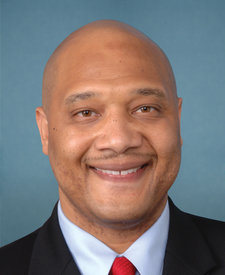
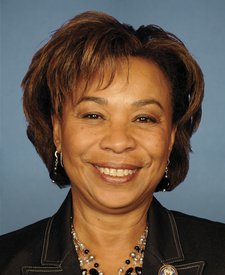

Legislative Progress
IntroducedMs. Pressley (for herself, Ms. Norton, Mr. Bowman, Ms. Lee …
Impact analysis is available but no clear stakeholder effects identified. View clause-level analysis →
Bill Structure & Actor Mappings
Who is "The Secretary" in each section?
- "the_administrator"
- → The Administrator identified in the operative section
- "secretary_of_labor"
- → Secretary of Labor
- "secretary_of_health_and_human_services"
- → Secretary of Health and Human Services
Key Definitions
Terms defined in this bill
an employee described in subparagraph (A) or (B) of section 101(4)
a person who is— a covered employer who is not described in any other subclause of this clause
We use a combination of our own taxonomy and classification in addition to large language models to assess meaning and potential beneficiaries. High confidence means strong textual evidence. Always verify with the original bill text.
Learn more about our methodology