NEST Act
Summary
What This Bill Does
The NEST Act amends the Social Security Act Title V maternal and child health program. It allows the HHS Secretary to use up to $5 million each fiscal year from 2026 through 2030 for special projects of regional or national significance to acquire and distribute newborn supply kits. Kits may include diapers, wipes, hygiene items, blankets, thermometers, postpartum pads, lotion, cold packs, breastfeeding supplies, a blood pressure monitor, and information on the National Maternal Mental Health Hotline, Women's Health and Breastfeeding Helpline, WIC, and low-dose aspirin use for reducing risks such as hypertension, preeclampsia, and preterm birth. HHS may award grants or cooperative agreements to nonprofit entities with a multi-state presence, including community-based organizations, federally qualified health centers, Tribal organizations, and birthing hospitals. Grantees must partner locally, ensure geographic diversity, and prioritize maternity care deserts, rural areas, high maternal mortality areas such as the Delta, and mothers and newborns in families at or below 185 percent of the poverty line.
Who Benefits and How
Postpartum mothers with low incomes benefit from kits containing recovery supplies, blood pressure monitors, breastfeeding items, and referral information. Newborn infants benefit from diapers, wipes, hygiene products, blankets, thermometers, and safer-care information. Families in maternity care deserts and rural areas benefit because distributors must prioritize underserved geographies. Federally qualified health centers, Tribal organizations, birthing hospitals, and community nonprofits benefit from eligibility for HHS grants or cooperative agreements. Maternal health hotlines and WIC programs benefit from required informational materials that direct families to existing services.
Who Bears the Burden and How
HHS Title V staff must reserve funds, design awards, review grantees, and oversee distribution priorities. Selected nonprofit distributors must procure kits, manage multi-state logistics, partner locally, and document geographic and income priorities. Local partner organizations must help reach maternity care deserts, rural communities, high-mortality areas, and eligible families. Federal taxpayers bear the cost of up to $5 million each fiscal year from 2026 through 2030.
Key Provisions
- Authorizes up to $5 million per year from 2026 through 2030 for newborn supply kit projects.
- Defines kit contents including diapers, wipes, postpartum supplies, breastfeeding items, blood pressure monitors, and referral information.
- Allows HHS grants or cooperative agreements with multi-state nonprofit and health providers.
- Prioritizes maternity care deserts, rural areas, high maternal mortality areas, and families at or below 185 percent of poverty.
- Requires local partnerships and geographic diversity in kit distribution.
Evidence Chain:
This summary is generated from the full bill text using AI analysis. Expand "Detailed Analysis" below for identified beneficiaries/burden bearers with clause-level evidence links.
At a Glance
What This Bill Does
Allows HHS to reserve up to $5 million each fiscal year from 2026 through 2030 for Title V newborn supply kit projects, including grants or cooperative agreements with multi-state nonprofit, health center, Tribal, and birthing-hospital distributors serving rural areas, maternity care deserts, and high-mortality communities.
Key Policy Areas
Maternal Health, Infant Health, Title V, Public Health Grants
Primary Purpose
Allows HHS to reserve up to $5 million each fiscal year from 2026 through 2030 for Title V newborn supply kit projects, including grants or cooperative agreements with multi-state nonprofit, health center, Tribal, and birthing-hospital distributors serving rural areas, maternity care deserts, and high-mortality communities.
Policy Domains
Substantive provisions
Identified Gains
- Postpartum mothers with low incomes
- Newborn infants
- Families in maternity care deserts
- Federally qualified health centers
- Tribal organizations
- Birthing hospitals
- Community-based nonprofits
Identified Costs
- HHS Title V staff
- Selected nonprofit distributors
- Local partner organizations
- Federal taxpayers
Sponsors



Legislative Progress
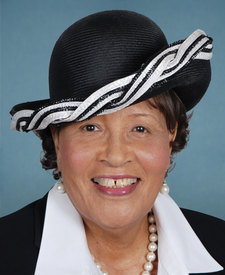
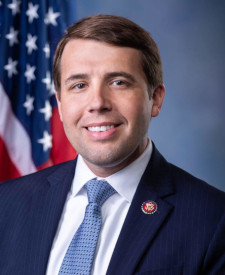
In CommitteeMs. Letlow (for herself, Ms. Schrier, Mrs. Miller-Meeks, and Ms. …
Referred to the House Committee on Energy and Commerce.
Introduced in House
Stakeholder Effects
cui bono?How this legislation distributes effects. Mention counts reflect frequency, not effect magnitude.
Families in maternity care deserts, Newborn infants, Postpartum mothers with low incomes
Bill Structure & Actor Mappings
Who is "The Secretary" in each section?
We use a combination of our own taxonomy and classification in addition to large language models to assess meaning and potential beneficiaries. High confidence means strong textual evidence. Always verify with the original bill text.
Learn more about our methodology