Aviation Funding Solvency Act
Summary
What This Bill Does
This bill creates temporary FAA funding authority during a lapse in FAA appropriations. If a regular FAA appropriations measure or continuing appropriations law is not in effect at the start of a fiscal year, covered amounts in the Aviation Insurance Revolving Fund become available to the FAA Administrator for continuing programs, projects, and activities conducted with prior-year FAA funds, including Operations and Facilities and Equipment accounts and direct-loan or loan-guarantee costs.
Funding is capped at no more than the prior-year rate of operations and is subject to the prior-year terms and conditions. The authority runs from the first day of the lapse until a regular appropriations bill or continuing appropriations law becomes law. Obligations made under the temporary authority are later charged to the applicable appropriation or fund when a funding law is enacted. If funds are not enough to continue every program, the FAA Administrator must prioritize compensation for Air Traffic Organization employees. The authority does not apply where another law already provides funding or forbids funding, and it cannot reduce the Aviation Insurance Revolving Fund balance below $1 billion. Covered amounts are the fund balance minus $1 billion.
Who Benefits and How
Air Traffic Organization employees benefit because their compensation is the required priority if covered amounts are insufficient. FAA operations programs benefit from temporary access to Aviation Insurance Revolving Fund balances during a shutdown or lapse. FAA facilities and equipment projects benefit from continuity at prior-year operating rates. Airlines and air travelers benefit if air-traffic and safety operations are less disrupted during appropriations lapses. Aviation lenders and borrowers benefit if direct-loan and loan-guarantee activities can continue.
Who Bears the Burden and How
The FAA Administrator must determine covered amounts, apply prior-year rates, prioritize Air Traffic Organization pay, and stop using the authority when appropriations resume. FAA budget staff must track obligations and charge them to later appropriations or funds. Aviation Insurance Revolving Fund managers must preserve the $1 billion reserve. Congressional appropriators may see FAA programs continue temporarily without a new appropriations law. FAA programs not prioritized for employee compensation may still be constrained if covered amounts are insufficient.
Key Provisions
- Provides temporary FAA funding authority during an appropriations lapse.
- Uses Aviation Insurance Revolving Fund balances only above a $1 billion reserve.
- Limits operations to no more than prior-year rates and prior-year terms and conditions.
- Requires the authority to end when regular or continuing appropriations become law.
- Requires later charging of obligations to the applicable appropriation, fund, or authorization.
- Requires the FAA Administrator to prioritize Air Traffic Organization employee compensation if covered amounts are insufficient.
Evidence Chain:
This summary is generated from the full bill text using AI analysis. Expand "Detailed Analysis" below for identified beneficiaries/burden bearers with clause-level evidence links.
At a Glance
What This Bill Does
Allows FAA programs to continue during an appropriations lapse using Aviation Insurance Revolving Fund amounts above a $1 billion reserve, at no more than prior-year operating rates, prioritizing Air Traffic Organization employee compensation if funds are insufficient, and ending the authority when regular or continuing appropriations become law.
Key Policy Areas
Aviation, Appropriations, Federal Workforce
Primary Purpose
Allows FAA programs to continue during an appropriations lapse using Aviation Insurance Revolving Fund amounts above a $1 billion reserve, at no more than prior-year operating rates, prioritizing Air Traffic Organization employee compensation if funds are insufficient, and ending the authority when regular or continuing appropriations become law.
Policy Domains
House resolution provisions
Identified Gains
- Air Traffic Organization employees
- FAA operations programs
- FAA facilities and equipment projects
- Airlines
- Air travelers
- Aviation lenders
Identified Costs
- FAA Administrator
- FAA budget staff
- Aviation Insurance Revolving Fund managers
- Congressional appropriators
- FAA programs not prioritized for employee compensation
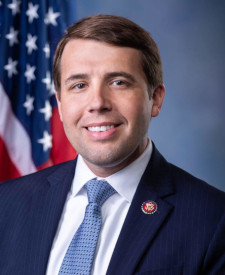
Sponsors
Legislative Progress
ReportedOrdered to be Reported (Amended) by Voice Vote.
Committee Consideration and Mark-up Session Held
Subcommittee on Aviation Discharged
Referred to the Subcommittee on Aviation.
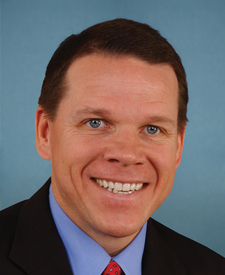
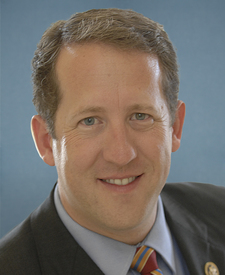
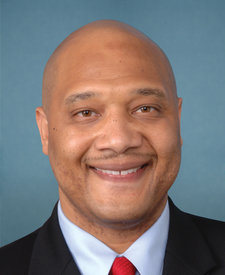
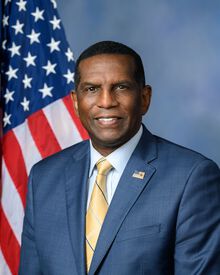
Mr. Graves (for himself, Mr. Larsen of Washington, Mr. Nehls, …
Referred to the House Committee on Transportation and Infrastructure.
Introduced in House
Stakeholder Effects
cui bono?How this legislation distributes effects. Mention counts reflect frequency, not effect magnitude.
Aviation Insurance Revolving Fund managers, FAA budget staff
Bill Structure & Actor Mappings
Who is "The Secretary" in each section?
- "faa"
- → Federal Aviation Administration
We use a combination of our own taxonomy and classification in addition to large language models to assess meaning and potential beneficiaries. High confidence means strong textual evidence. Always verify with the original bill text.
Learn more about our methodology