CLOSE Act
Summary
What This Bill Does
The CLOSE Act is a one-section Clean Air Act amendment. It strikes paragraph (4) of section 112(n), which is the oil and gas source aggregation exemption for hazardous air pollutant regulation. Removing that paragraph would allow emissions from oil and gas sources to be aggregated under the ordinary Clean Air Act section 112 framework when determining regulatory treatment. The practical effect is to expose oil and gas operations that previously benefited from the exemption to broader hazardous-air-pollutant oversight if aggregation changes their source status.
Who Benefits and How
Communities near oil and gas operations benefit from potential broader hazardous-air-pollutant controls when emissions are aggregated. EPA air-pollution regulators benefit because they can apply ordinary section 112 aggregation concepts without the oil and gas exemption. State air agencies benefit from a clearer federal basis for aggregating oil and gas source emissions. Public health advocates benefit if aggregation brings more oil and gas emissions under hazardous-air-pollutant regulation.
Who Bears the Burden and How
Oil and gas operators lose the statutory exemption from aggregation of emissions under Clean Air Act section 112(n)(4). Facilities that become major sources after aggregation may face additional monitoring, permitting, control, and compliance obligations. EPA and State air agencies must update guidance, permitting decisions, and enforcement approaches for aggregated oil and gas sources. Industry compliance teams must reassess source status and hazardous-air-pollutant obligations across related oil and gas equipment.
Key Provisions
- Repeals Clean Air Act section 112(n)(4), the oil and gas emissions-aggregation exemption.
- Expands hazardous-air-pollutant oversight by allowing emissions from related oil and gas sources to be aggregated.
- Requires oil and gas operators to reassess source status and section 112 compliance when aggregation changes regulatory treatment.
Evidence Chain:
This summary is generated from the full bill text using AI analysis. Expand "Detailed Analysis" below for identified beneficiaries/burden bearers with clause-level evidence links.
At a Glance
What This Bill Does
Repeals Clean Air Act section 112(n)(4), eliminating the exemption that prevents aggregation of emissions from oil and gas sources for hazardous-air-pollutant regulation.
Key Policy Areas
Clean Air Act, Oil and Gas, Hazardous Air Pollutants
Primary Purpose
Repeals Clean Air Act section 112(n)(4), eliminating the exemption that prevents aggregation of emissions from oil and gas sources for hazardous-air-pollutant regulation.
Policy Domains
Substantive provisions
Identified Gains
- Communities near oil and gas operations
- EPA air-pollution regulators
- State air agencies
- Public health advocates
Identified Costs
- Oil and gas operators
- Facilities reclassified after aggregation
- EPA air-program staff
- State air permitting agencies
- Industry compliance teams
Sponsors


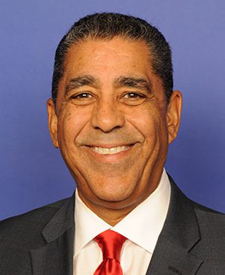


Legislative Progress
In CommitteeMs. Clarke of New York (for herself, Mr. Beyer, Ms. …
Referred to the House Committee on Energy and Commerce.
Introduced in House
Stakeholder Effects
cui bono?How this legislation distributes effects. Mention counts reflect frequency, not effect magnitude.
Bill Structure & Actor Mappings
Who is "The Secretary" in each section?
We use a combination of our own taxonomy and classification in addition to large language models to assess meaning and potential beneficiaries. High confidence means strong textual evidence. Always verify with the original bill text.
Learn more about our methodology