CLEANER Act of 2025
Summary
What This Bill Does
The CLEANER Act of 2025 amends the Solid Waste Disposal Act. Within one year, EPA must determine whether drilling fluids, produced waters, and other wastes associated with crude oil, natural gas, or geothermal exploration, development, or production meet hazardous-waste listing or identification criteria. EPA must identify or list as hazardous waste any covered wastes that meet those criteria and promulgate regulations under sections 3002, 3003, and 3004 for those hazardous wastes, while allowing modifications that account for special characteristics if they protect human health and the environment. The bill also requires EPA within one year to revise criteria for facilities that may receive covered oil, gas, or geothermal wastes not listed as hazardous. Those criteria must protect human health and the environment and at minimum should require groundwater monitoring as necessary, siting criteria for new or existing facilities, corrective action, and financial assurance as appropriate.
Who Benefits and How
Communities near oil, gas, and geothermal waste sites benefit from stronger federal review of drilling fluids, produced waters, and related wastes. Environmental regulators benefit from a deadline and clear authority to list qualifying exploration and production wastes as hazardous. Groundwater users benefit if facility criteria require monitoring, acceptable location standards, corrective action, and financial assurance. Public health advocates benefit from hazardous-waste rules that must protect human health and the environment.
Who Bears the Burden and How
Oil and gas operators handling drilling fluids, produced waters, and exploration or production wastes may face hazardous-waste management duties. Geothermal energy operators may face new waste-identification, handling, disposal, and facility-standard requirements. EPA hazardous-waste staff must complete determinations, listings, regulations, and facility-criteria revisions within one year. Waste facilities receiving covered nonhazardous wastes may need groundwater monitoring, siting compliance, corrective action, and financial assurance.
Key Provisions
- Requires EPA to determine within one year whether oil, gas, or geothermal exploration and production wastes meet hazardous-waste criteria.
- Requires EPA to list covered wastes as hazardous when they meet those criteria.
- Requires hazardous-waste regulations for listed covered wastes while allowing protective modifications for special characteristics.
- Requires revised facility criteria for covered wastes not listed as hazardous.
- Requires facility criteria to address groundwater monitoring, location standards, corrective action, and financial assurance as appropriate.
Evidence Chain:
This summary is generated from the full bill text using AI analysis. Expand "Detailed Analysis" below for identified beneficiaries/burden bearers with clause-level evidence links.
At a Glance
What This Bill Does
Requires EPA within one year to decide whether drilling fluids, produced waters, and other crude oil, natural gas, or geothermal exploration and production wastes meet hazardous-waste criteria, list qualifying wastes as hazardous, regulate them under RCRA hazardous-waste rules with protective modifications, and revise standards for facilities receiving nonhazardous covered wastes with groundwater monitoring, siting, corrective-action, and financial-assurance criteria.
Key Policy Areas
Hazardous Waste, Oil and Gas, EPA
Primary Purpose
Requires EPA within one year to decide whether drilling fluids, produced waters, and other crude oil, natural gas, or geothermal exploration and production wastes meet hazardous-waste criteria, list qualifying wastes as hazardous, regulate them under RCRA hazardous-waste rules with protective modifications, and revise standards for facilities receiving nonhazardous covered wastes with groundwater monitoring, siting, corrective-action, and financial-assurance criteria.
Policy Domains
Substantive provisions
Identified Gains
- Communities near oil and gas waste sites
- Environmental regulators
- Groundwater users
- Public health advocates
Identified Costs
- Oil and gas operators
- Geothermal energy operators
- EPA hazardous-waste staff
- Waste disposal facilities
Sponsors


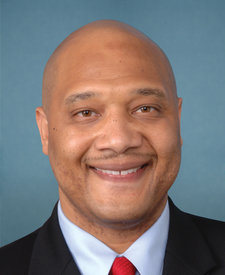


Legislative Progress
In CommitteeMs. Castor of Florida (for herself, Mr. Beyer, Mr. Carson, …
Referred to the House Committee on Energy and Commerce.
Introduced in House
Stakeholder Effects
cui bono?How this legislation distributes effects. Mention counts reflect frequency, not effect magnitude.
Communities near oil and gas waste sites, Groundwater users near waste facilities
Bill Structure & Actor Mappings
Who is "The Secretary" in each section?
We use a combination of our own taxonomy and classification in addition to large language models to assess meaning and potential beneficiaries. High confidence means strong textual evidence. Always verify with the original bill text.
Learn more about our methodology