Safer Truckers Act of 2025
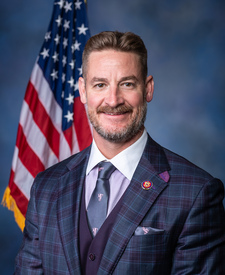
Legislative Progress
In CommitteeMr. Steube introduced the following bill; which was referred to …
Summary
What This Bill Does
The Safer Truckers Act of 2025 restricts who can obtain a commercial driver's license (CDL) in the United States. It requires that only U.S. citizens, lawful permanent residents, or individuals specifically authorized by U.S. Citizenship and Immigration Services (USCIS) to work as commercial drivers can hold a CDL. The bill also mandates that states report annually on how they enforce English-language proficiency requirements for commercial truck drivers.
Who Benefits and How
U.S. citizens and lawful permanent residents benefit from reduced competition for commercial driving jobs, as the pool of eligible CDL holders would be limited to those with legal immigration status. The trucking industry and general public may benefit from standardized driver qualifications and English-language proficiency enforcement, which proponents argue could improve road safety and communication in commercial transportation.
Who Bears the Burden and How
State motor vehicle agencies must implement new verification systems to confirm immigration status before issuing CDLs and must submit annual reports to the Secretary of Transportation on English-language proficiency enforcement. Non-citizen workers who currently hold or would seek CDLs but lack specific USCIS authorization for commercial driving employment would be unable to obtain licenses. U.S. Citizenship and Immigration Services faces increased administrative burden to process employment authorization requests that specifically include commercial driving.
Key Provisions
- Amends Section 31308(1) of Title 49 to add citizenship or authorized immigration status as a requirement for CDL eligibility
- Amends Section 31311(a) to require states to verify immigration status before issuing CDLs
- Requires states to submit annual reports (starting 180 days after enactment, then by December 31 each year) on enforcement of English-language proficiency requirements under 49 CFR 391.11(b)(2)
- Creates federal mandate that states cannot issue CDLs to individuals without proper citizenship or immigration work authorization
Evidence Chain:
This summary is derived from the structured analysis below. See "Detailed Analysis" for per-title beneficiaries/burden bearers with clause-level evidence links.
Primary Purpose
The bill aims to enhance road safety by ensuring that only qualified individuals, including U.S. citizens, lawful permanent residents, or those authorized for employment in the United States, can obtain commercial driver's licenses (CDLs). It also mandates annual reports on English-language proficiency requirements for CDL holders.
Policy Domains
Bill Structure & Actor Mappings
Who is "The Secretary" in each section?
- "the_secretary"
- → Secretary of Transportation
- "the_administrator"
- → Administrator of the Federal Motor Carrier Safety Administration (FMCSA)
Key Definitions
Terms defined in this bill
Amends Section 31311(a) of Title 49, United States Code, to mandate that states issue CDLs only to U.S. citizens or lawful permanent residents, or those authorized for employment in the U.S., including driving commercial motor vehicles. It also requires annual reports on English-language proficiency requirements for drivers.
Amends Section 31308(1) of Title 49, United States Code, to require that individuals applying for a commercial driver's license (CDL) must be U.S. citizens or lawful permanent residents, or authorized by U.S. Citizenship and Immigration Services to work in the U.S., including driving commercial motor vehicles.
We use a combination of our own taxonomy and classification in addition to large language models to assess meaning and potential beneficiaries. High confidence means strong textual evidence. Always verify with the original bill text.
Learn more about our methodology