RIDER Safety Act
Summary
What This Bill Does
The RIDER Safety Act amends 49 U.S.C. 5321, the public transportation crime prevention and security grant authority. It allows, notwithstanding a usual section 5307 operating-use limit, operational grants from amounts available under section 5338 to public transportation systems for transit support specialists. The bill defines transit support specialists as unarmed personnel whose presence on transit vehicles, stops, and stations provides an added sense of security and whose public engagement deters and reports disruptive behavior. Their listed duties include monitoring stations and vehicles, assisting riders and transit personnel, assisting with and reporting medical emergencies, engaging with the public and staff to establish an official presence, observing and reporting suspicious activity and security threats to transit personnel and law enforcement, handling minor noncriminal conflicts through alternatives that preserve law enforcement for critical or emergency incidents, and connecting patrons with or performing crisis intervention services to de-escalate conflicts.
Who Benefits and How
Public transportation systems benefit because they can use federal operational grants for unarmed transit support specialists. Transit riders benefit from more visible assistance, de-escalation, medical-emergency support, and reporting of security threats on vehicles and at stations. Transit employees benefit if support specialists handle minor conflicts and help report suspicious activity. Law enforcement agencies benefit if noncriminal conflicts are handled through alternative channels, preserving officers for critical or emergency incidents.
Who Bears the Burden and How
Transit agencies must recruit, train, schedule, supervise, and integrate unarmed transit support specialists into operations. DOT and FTA grant administrators must allow and monitor operational grant use for the new personnel category. Transit support specialists carry frontline de-escalation, monitoring, reporting, and rider-assistance duties without being armed law enforcement. Federal transit funds may be redirected from other eligible security or capital uses into operating support.
Key Provisions
- Amends public transportation crime-prevention and security grant authority.
- Allows operational grants for transit support specialists notwithstanding the usual operating-use limit.
- Defines transit support specialists as unarmed personnel providing visible security support on vehicles, stops, and stations.
- Lists duties including monitoring, rider assistance, medical-emergency reporting, threat reporting, minor-conflict handling, and crisis intervention.
Evidence Chain:
This summary is generated from the full bill text using AI analysis. Expand "Detailed Analysis" below for identified beneficiaries/burden bearers with clause-level evidence links.
At a Glance
What This Bill Does
Expands federal transit crime-prevention and security grants to allow operational grants for unarmed transit support specialists, and defines those specialists as personnel who monitor vehicles and stations, assist riders and staff, report medical emergencies and security threats, handle minor noncriminal conflicts, and provide crisis intervention or de-escalation.
Key Policy Areas
Public Transit, Transit Safety, Grant Programs
Primary Purpose
Expands federal transit crime-prevention and security grants to allow operational grants for unarmed transit support specialists, and defines those specialists as personnel who monitor vehicles and stations, assist riders and staff, report medical emergencies and security threats, handle minor noncriminal conflicts, and provide crisis intervention or de-escalation.
Policy Domains
Substantive provisions
Identified Gains
- Public transportation systems
- Transit riders
- Transit employees
- Law enforcement agencies
Identified Costs
- Transit agencies
- DOT grant administrators
- Federal Transit Administration staff
- Transit support specialists
- Federal transit funding accounts
Sponsors



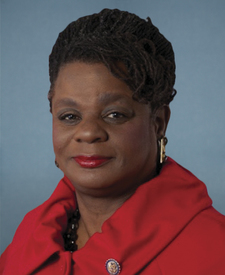

Legislative Progress
In CommitteeReferred to the Subcommittee on Highways and Transit.
Ms. Simon (for herself, Mr. Figures, Ms. Pou, Mr. DeSaulnier, …
Referred to the House Committee on Transportation and Infrastructure.
Introduced in House
Stakeholder Effects
cui bono?How this legislation distributes effects. Mention counts reflect frequency, not effect magnitude.
Public transportation systems, Transit employees, Transit support specialists
Positive-direction: Public transportation systems, Transit employees
Negative-direction: Transit support specialists
Bill Structure & Actor Mappings
Who is "The Secretary" in each section?
We use a combination of our own taxonomy and classification in addition to large language models to assess meaning and potential beneficiaries. High confidence means strong textual evidence. Always verify with the original bill text.
Learn more about our methodology