To Inform Families First Act of 2025
Summary
What This Bill Does
The To Inform Families First Act of 2025 directs the Secretary of Transportation, through the NHTSA Administrator, to establish a program within 180 days to help States develop and implement systems that collect emergency contact information for inclusion in State driver license and identification records. Assistance can be a grant or technical assistance. As a condition of receiving assistance, a State must use it to develop an emergency contact information system, make provision of contact information voluntary, include robust data-security protections, restrict access to authorized emergency personnel for emergency use only, and avoid any requirement that the information appear on the physical driver license or identification card. DOT must submit annual implementation reports to Congress beginning within one year. State includes the 50 States, D.C., Puerto Rico, the U.S. Virgin Islands, Guam, American Samoa, and the Northern Mariana Islands.
Who Benefits and How
State motor vehicle agencies benefit from federal grants or technical assistance to build emergency contact systems. Emergency personnel benefit because authorized access to emergency contacts can help notify families after crashes or other emergencies. Drivers and identification-card holders benefit because participation is voluntary and the information does not have to appear on the physical card. Families benefit because emergency responders can reach designated contacts more quickly when a participating person is involved in an emergency. Congress benefits from annual reports on implementation and technical assistance.
Who Bears the Burden and How
NHTSA must create the program within 180 days and provide grants or technical assistance. State motor vehicle agencies accepting assistance must build data-security protections and emergency-personnel-only access rules. Authorized emergency personnel must use the contact information only during emergencies. DOT reporting staff must submit annual implementation reports to Congress. State IT systems may need upgrades to add voluntary contact fields without printing them on physical credentials.
Key Provisions
- Requires NHTSA to establish an emergency contact information grant and technical-assistance program within 180 days.
- Requires participating States to make emergency contact submission voluntary.
- Requires robust data security and limits access to authorized emergency personnel for emergency use only.
- Bars any requirement that emergency contact information appear on a physical driver license or identification card.
- Requires annual reports to Congress on implementation and technical assistance.
Evidence Chain:
This summary is generated from the full bill text using AI analysis. Expand "Detailed Analysis" below for identified beneficiaries/burden bearers with clause-level evidence links.
At a Glance
What This Bill Does
Requires NHTSA to establish, within 180 days, a grant and technical-assistance program helping States create voluntary emergency contact information systems linked to driver license and identification records, with data-security protections, emergency-personnel-only access, no physical-card display requirement, and annual implementation reporting to Congress.
Key Policy Areas
Transportation Safety, State Motor Vehicle Records, Emergency Response
Primary Purpose
Requires NHTSA to establish, within 180 days, a grant and technical-assistance program helping States create voluntary emergency contact information systems linked to driver license and identification records, with data-security protections, emergency-personnel-only access, no physical-card display requirement, and annual implementation reporting to Congress.
Policy Domains
Substantive provisions
Identified Gains
- State motor vehicle agencies
- Emergency personnel
- Drivers
- Identification-card holders
- Families of emergency victims
- Congress
Identified Costs
- NHTSA program staff
- State motor vehicle agencies
- Authorized emergency personnel
- DOT reporting staff
- State IT system administrators
Sponsors
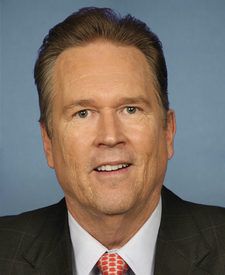
Legislative Progress
In CommitteeReferred to the Subcommittee on Highways and Transit.
Mr. Buchanan introduced the following bill; which was referred to …
Referred to the House Committee on Transportation and Infrastructure.
Introduced in House
Stakeholder Effects
cui bono?How this legislation distributes effects. Mention counts reflect frequency, not effect magnitude.
Bill Structure & Actor Mappings
Who is "The Secretary" in each section?
We use a combination of our own taxonomy and classification in addition to large language models to assess meaning and potential beneficiaries. High confidence means strong textual evidence. Always verify with the original bill text.
Learn more about our methodology