HEALTH Act
Summary
What This Bill Does
The HEALTH Act amends Internal Revenue Code section 36B. It continues the temporary rule that applies premium tax credit eligibility without the 400 percent of poverty cap before an applicable date, and it also extends the enhanced applicable-percentage table by replacing the January 1, 2026 endpoint with the same applicable date. The applicable date is the latest date Treasury estimates will keep the federal increase in outlays and revenue reduction from the premium tax credit extension from exceeding the decrease in federal outlays caused by the bill's rescission. Treasury must estimate that date using, to the maximum extent practicable, methods like CBO and JCT scoring of proposed legislation. Section 3 then rescinds unobligated balances of amounts appropriated or otherwise made available for providing assistance to Argentina.
Who Benefits and How
Marketplace enrollees who would otherwise lose enhanced premium tax credits after 2025 benefit from a longer affordability window. Households above 400 percent of poverty benefit because the bill continues ignoring the old income cap until the applicable date. Health insurers in ACA marketplaces benefit if extended subsidies support enrollment and premium payment stability. Federal deficit or offset accounting benefits from tying the duration of the tax-credit extension to rescinded Argentina assistance balances.
Who Bears the Burden and How
Treasury tax administrators must estimate the applicable date and administer the premium tax credit extension. Federal assistance programs for Argentina lose unobligated balances that would otherwise support assistance activities. Recipients of U.S. assistance to Argentina face reduced funding from the rescission. Federal health and budget estimators must track whether the subsidy extension cost remains within the rescission offset.
Key Provisions
- Extends enhanced health insurance premium tax credit rules beyond taxable years beginning after 2025.
- Continues applying section 36B eligibility without the 400 percent of poverty cap until the Treasury-estimated applicable date.
- Requires Treasury to estimate the applicable date using CBO- and JCT-like methods to keep the extension within the rescission offset.
- Rescinds unobligated balances made available for providing assistance to Argentina.
- Applies the premium tax credit amendments to taxable years beginning after December 31, 2025.
Evidence Chain:
This summary is generated from the full bill text using AI analysis. Expand "Detailed Analysis" below for identified beneficiaries/burden bearers with clause-level evidence links.
At a Glance
What This Bill Does
Extends enhanced Affordable Care Act premium tax credit rules beyond 2025 until Treasury estimates the added federal cost is fully offset by rescinding unobligated balances for U.S. assistance to Argentina, and makes the extension apply to taxable years beginning after December 31, 2025.
Key Policy Areas
Health Insurance, Tax Credits, Foreign Assistance Rescission
Primary Purpose
Extends enhanced Affordable Care Act premium tax credit rules beyond 2025 until Treasury estimates the added federal cost is fully offset by rescinding unobligated balances for U.S. assistance to Argentina, and makes the extension apply to taxable years beginning after December 31, 2025.
Policy Domains
Substantive provisions
Identified Gains
- ACA marketplace enrollees
- Households above 400 percent of poverty
- Health insurers in ACA marketplaces
- Federal offset accounting
Identified Costs
- Treasury tax administrators
- Programs providing U.S. assistance to Argentina
- Recipients of U.S. assistance to Argentina
- Federal health and budget estimators
Sponsors
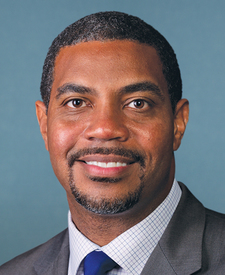

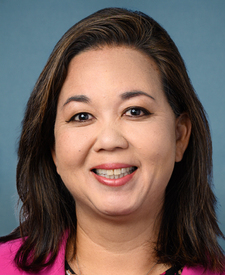


Legislative Progress
In CommitteeMr. Horsford (for himself, Ms. Barragán, Ms. Kelly of Illinois, …
Referred to the Committee on Ways and Means, and in …
Introduced in House
Stakeholder Effects
cui bono?How this legislation distributes effects. Mention counts reflect frequency, not effect magnitude.
Federal budget accounts, Foreign assistance program administrators, Treasury tax administrators
Positive-direction: Federal budget accounts
Negative-direction: Foreign assistance program administrators, Treasury tax administrators
ACA marketplace enrollees, Health insurers in ACA marketplaces
Bill Structure & Actor Mappings
Who is "The Secretary" in each section?
We use a combination of our own taxonomy and classification in addition to large language models to assess meaning and potential beneficiaries. High confidence means strong textual evidence. Always verify with the original bill text.
Learn more about our methodology