Pay Our Patriots Act
Summary
What This Bill Does
The Pay Our Patriots Act creates a targeted continuing appropriation for a covered lapse in appropriations affecting the Armed Forces or the Federal Aviation Administration. During a covered lapse, such sums as necessary are appropriated to provide covered pay and allowances at the rate in effect immediately before the lapse. Covered employees are active-service members of the Armed Forces, including reserve components, and FAA civilian employees whom the FAA Administrator determines perform duties essential to safe operation of the national airspace system, including air traffic controllers, safety inspectors, and operational support technicians. The Secretary of Defense, Secretary of Homeland Security, and Secretary of Transportation must continue obligations and disbursements as if appropriations had been enacted on time. The authority ends when the applicable regular appropriations act or continuing resolution is enacted, or on the last day of the fiscal year in which the lapse begins.
Who Benefits and How
Active-service Armed Forces members benefit because their pay, allowances, statutory bonuses, benefits, and retired pay continue during a covered shutdown. Reserve component members performing active service benefit from the same shutdown-period payment protection. Essential FAA personnel such as air traffic controllers, safety inspectors, and operational support technicians benefit because the FAA Administrator can keep their pay flowing. Air travelers and aviation-system users benefit indirectly because the bill supports continued staffing for safe operation of the national airspace system.
Who Bears the Burden and How
Defense, Homeland Security, and Transportation payment offices must continue obligations and disbursements during a lapse instead of waiting for normal appropriations. Treasury must make such sums as necessary available for covered pay and allowances during the shutdown period. FAA leadership must determine which civilian employees perform duties essential to safe operation of the national airspace system. Federal budget managers lose sequestration or reduction tools for the protected payments while the Act is in force.
Key Provisions
- Appropriates such sums as necessary for covered pay and allowances during a covered lapse in appropriations.
- Requires payments to continue at the rate in effect immediately before the lapse begins.
- Requires Defense, Homeland Security, and Transportation to keep obligations and disbursements moving as if appropriations were timely enacted.
- Defines covered employees to include active-service Armed Forces members and essential FAA safety personnel.
- Bars reduction or sequestration of the funds made immediately available by the Act.
Evidence Chain:
This summary is generated from the full bill text using AI analysis. Expand "Detailed Analysis" below for identified beneficiaries/burden bearers with clause-level evidence links.
At a Glance
What This Bill Does
Automatically appropriates shutdown-period pay and allowances for active-service Armed Forces members and essential FAA safety personnel, requires Defense, Homeland Security, and Transportation to keep disbursing those payments as if appropriations were timely enacted, and shields the payments from reduction or sequestration until regular funding, a continuing resolution, or the fiscal year ends.
Key Policy Areas
Government Shutdowns, Military Pay, Aviation Safety
Primary Purpose
Automatically appropriates shutdown-period pay and allowances for active-service Armed Forces members and essential FAA safety personnel, requires Defense, Homeland Security, and Transportation to keep disbursing those payments as if appropriations were timely enacted, and shields the payments from reduction or sequestration until regular funding, a continuing resolution, or the fiscal year ends.
Policy Domains
Substantive provisions
Identified Gains
- Active-service Armed Forces members
- Reserve component members on active service
- FAA air traffic controllers
- FAA safety inspectors
- FAA operational support technicians
- Air travelers
Identified Costs
- Defense payment offices
- Homeland Security payment offices
- Transportation payment offices
- Treasury disbursement staff
- FAA leadership
- Federal budget managers
Sponsors

Legislative Progress
In CommitteeReferred to the Subcommittee on Aviation.
Referred to the Subcommittee on Coast Guard and Maritime Transportation.
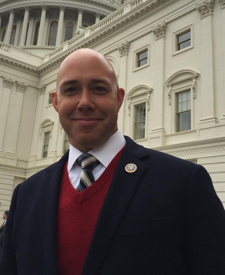
Mr. Mast introduced the following bill; which was referred to …
Referred to the Committee on Appropriations, and in addition to …
Introduced in House
Stakeholder Effects
cui bono?How this legislation distributes effects. Mention counts reflect frequency, not effect magnitude.
Covered military and FAA personnel, Defense payment offices, Homeland Security payment offices
Positive-direction: Covered military and FAA personnel
Negative-direction: Defense payment offices, Homeland Security payment offices, Transportation payment offices
Active-service Armed Forces members, Reserve component members on active service
Bill Structure & Actor Mappings
Who is "The Secretary" in each section?
We use a combination of our own taxonomy and classification in addition to large language models to assess meaning and potential beneficiaries. High confidence means strong textual evidence. Always verify with the original bill text.
Learn more about our methodology