Commonsense Legislating Act
Summary
What This Bill Does
The Commonsense Legislating Act is a multi-title package. It amends the Small Business Act to require SBIR and STTR application assistance for small businesses in historically low-award States and enhanced outreach to researchers at minority institutions and Hispanic-serving institutions within 90 days. It adds Native American tourism grant authority, allowing the Bureau of Indian Affairs, Office of Native Hawaiian Relations, and other federal agencies to make grants or agreements with Indian tribes, tribal organizations, and Native Hawaiian organizations, with $35 million authorized for fiscal years 2026 through 2030. It adds qualified military spouses to the work opportunity tax credit for wages paid after enactment to newly hired workers. It amends title 38 to require VA to offer annual mental health consultations and outreach to veterans receiving compensation for service-connected mental-health disabilities and requires a GAO report within two years. It establishes a Department of Labor-led Working Families Task Force with HHS, Education, HUD, Commerce, Treasury, Transportation, Agriculture, and SBA representatives to study affordability, jobs, child care, health care, housing, food, energy, transportation, technology access, environmental hazards, and agency staffing cuts. It creates an NSC Fentanyl Disruption Steering Group including State, Treasury, Defense, Justice, Commerce, HHS, Transportation, Energy, DHS, the intelligence community, and USPS to coordinate anti-fentanyl strategy, inventory fusion cells, and report annually on public-private partnerships. It amends House Rule XXIII to bar Members, Delegates, Resident Commissioners, officers, and employees from serving as officers or directors of public companies. The final sections set PAYGO budgetary-effect treatment and appropriations language.
Who Benefits and How
Small businesses in historically low-award States benefit from SBIR and STTR application assistance and outreach requirements. Researchers at minority institutions and Hispanic-serving institutions benefit because SBA policy directives must require enhanced SBIR and STTR outreach to them. Indian tribes, tribal organizations, Native Hawaiian organizations, and tribal-area tourism businesses benefit from new tourism grant and agreement authority and a $35 million authorization. Employers hiring military spouses and military spouses entering civilian jobs benefit because qualified military spouses become a work opportunity tax credit group. Veterans receiving compensation for service-connected mental-health disabilities benefit because VA must offer annual consultations and outreach about other mental health services. Working families benefit from a formal interagency process aimed at affordability, child care, jobs, housing, health care, food, energy, transportation, and access barriers. Federal anti-fentanyl agencies and private-sector partners benefit from NSC-level coordination, strategic planning, and annual reporting on fentanyl disruption. House constituents benefit from a stricter ethics rule preventing Members and House staff from serving as officers or directors of public companies.
Who Bears the Burden and How
Federal agencies with SBIR and STTR programs must revise outreach procedures and provide application assistance in low-award States and targeted institutions. BIA, the Office of Native Hawaiian Relations, and other participating agencies must administer tourism grants and agreements for tribal and Native Hawaiian recipients. Treasury bears revenue loss and administrative work from adding military spouses to the work opportunity tax credit. VA mental health programs must conduct annual consultations, outreach, follow-up documentation, and coordination for covered veterans. GAO must assess the VA mental-health consultation changes and report to Veterans' Affairs Committees within two years. Department of Labor and the eight partner agencies plus SBA must staff quarterly Working Families Task Force meetings, stakeholder consultations, and recommendations. NSC and participating security, health, transportation, energy, intelligence, and postal agencies must inventory fentanyl initiatives, resolve coordination disputes, and prepare annual reports. Members of Congress, Delegates, Resident Commissioners, officers, and House employees must give up or avoid public-company officer or director positions.
Key Provisions
- Requires SBIR and STTR application assistance for small businesses in historically low-award States.
- Requires enhanced SBIR and STTR outreach to researchers at minority institutions and Hispanic-serving institutions.
- Authorizes Native American tourism grants and agreements with Indian tribes, tribal organizations, and Native Hawaiian organizations, backed by $35 million for fiscal years 2026 through 2030.
- Adds qualified military spouses to the work opportunity tax credit.
- Requires annual VA mental-health consultations and outreach for veterans compensated for service-connected mental-health disabilities.
- Establishes a Working Families Task Force led by the Department of Labor and multiple federal agencies.
- Establishes an NSC Fentanyl Disruption Steering Group and annual public-private partnership reporting.
- Bars House Members, Delegates, Resident Commissioners, officers, and employees from serving as public-company officers or directors.
- Provides PAYGO budgetary-effect treatment and appropriations language.
Evidence Chain:
This summary is generated from the full bill text using AI analysis. Expand "Detailed Analysis" below for identified beneficiaries/burden bearers with clause-level evidence links.
At a Glance
What This Bill Does
Combines small-business research outreach, Native tourism grants, a military-spouse work opportunity tax credit, VA mental-health outreach, a Working Families Task Force, an NSC fentanyl-disruption steering group, House ethics restrictions on public-company service, PAYGO treatment, and appropriations language into one package.
Key Policy Areas
Small Business, Tribal Tourism, Tax, Veterans Mental Health, Working Families, Fentanyl, Congressional Ethics
Primary Purpose
Combines small-business research outreach, Native tourism grants, a military-spouse work opportunity tax credit, VA mental-health outreach, a Working Families Task Force, an NSC fentanyl-disruption steering group, House ethics restrictions on public-company service, PAYGO treatment, and appropriations language into one package.
Policy Domains
Substantive provisions
Identified Gains
- Small businesses in low-award States
- Researchers at minority institutions
- Researchers at Hispanic-serving institutions
- Indian tribes
- Native Hawaiian organizations
- Military spouses
- Employers hiring military spouses
- Veterans with service-connected mental-health disabilities
- Working families
- Federal anti-fentanyl agencies
- House constituents
Identified Costs
- Federal SBIR and STTR program offices
- Small Business Administration
- Bureau of Indian Affairs
- Office of Native Hawaiian Relations
- Treasury tax administrators
- VA mental health programs
- Government Accountability Office
- Department of Labor
- Working Families Task Force agencies
- National Security Council staff
- Members of Congress and House staff
Legislative Progress
In CommitteeReferred to the Subcommittee on Health.
Referred to the Subcommittee on Border Security and Enforcement.
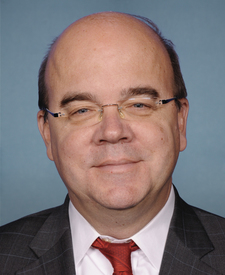
Mr. McGovern introduced the following bill; which was referred to …
Referred to the Committee on Ways and Means, and in …
Introduced in House
Stakeholder Effects
cui bono?How this legislation distributes effects. Mention counts reflect frequency, not effect magnitude.
Bureau of Indian Affairs, Department of Labor, Department of Veterans Affairs
Small businesses at Hispanic-serving institutions, Small businesses at minority-serving institutions, Small businesses in low-award states
Employers hiring military spouses, Private sector anti-trafficking partners
Public companies, Public trust in government
Positive-direction: Public trust in government
Negative-direction: Public companies
Tourism businesses in tribal areas
Bill Structure & Actor Mappings
Who is "The Secretary" in each section?
We use a combination of our own taxonomy and classification in addition to large language models to assess meaning and potential beneficiaries. High confidence means strong textual evidence. Always verify with the original bill text.
Learn more about our methodology