To amend title 38, United States Code, to provide additional entitlement to Post-9/11 Educational Assistance to certain veterans and members of the Armed Forces who require extra time to complete remedial and deficiency courses, and for other purposes.
Analysis under review: This bill has generated analysis that may be too generic or incomplete. Clause-level evidence remains available below.
Summary
What This Bill Does
This bill, To amend title 38, United States Code, to provide additional entitlement to Post-9/11 Educational Assistance to certain veterans and members of the Armed Forces who require extra time to complete remedial and deficiency courses, and for other purposes., changes federal law or congressional policy affecting federal agencies and legislative administrators. The main policy domain is Government Operations, Defense, Veterans Affairs.
Who Benefits and How
federal agencies and legislative administrators may benefit from new authority, funding, eligibility, regulatory clarity, or reduced risk created by the bill.
Who Bears the Burden and How
federal implementing agencies may take on implementation duties, reporting obligations, compliance costs, or oversight responsibilities.
Key Provisions
- Section HCE52C2516EF34D4D822FA409BE3B4C0D: 1. Short title This Act may be cited as the Veterans Education and Transfer Extension Act of 2025 or the VET Extension Act of 2025.
- Section HE8670AED971A45C1B36D10790996005F: 2. Findings Congress makes the following findings: Individuals who are entitled to educational assistance under the Post-9/11 Educational Assistance program of...
- Section HCFAF6CBC8F9747C6A82408820F901004: 3. Increase in duration of educational assistance under Department of Veterans Affairs Post-9/11 Educational Assistance program for completion of remedial and...
- Section HCAC202AEDC1A4113AB8A0556CFE355C5: 4. Increased flexibility in transfer of entitlement to educational assistance under Department of Veterans Affairs Post-9/11 Educational Assistance program...
Evidence Chain:
This summary is generated from the full bill text using AI analysis. Expand "Detailed Analysis" below for identified beneficiaries/burden bearers with clause-level evidence links.
At a Glance
What This Bill Does
This bill, To amend title 38, United States Code, to provide additional entitlement to Post-9/11 Educational Assistance to certain veterans and members of the Armed Forces who require extra time to complete remedial and deficiency courses, and for other purposes., changes federal law or congressional policy affecting federal agencies and legislative administrators.
Key Policy Areas
Government Operations, Defense, Veterans Affairs
Primary Purpose
This bill, To amend title 38, United States Code, to provide additional entitlement to Post-9/11 Educational Assistance to certain veterans and members of the Armed Forces who require extra time to complete remedial and deficiency courses, and for other purposes., changes federal law or congressional policy affecting federal agencies and legislative administrators.
Policy Domains
Whole bill
Identified Gains
- federal agencies and legislative administrators
Identified Costs
- federal implementing agencies
Legislative Progress
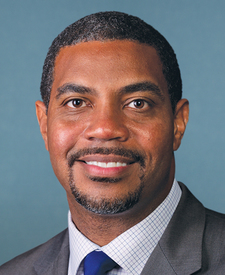
IntroducedMr. Horsford introduced the following bill; which was referred to …
Impact analysis is available but no clear stakeholder effects identified. View clause-level analysis →
Bill Structure & Actor Mappings
Who is "The Secretary" in each section?
- "the_secretary"
- → The Secretary identified in the operative section
Key Definitions
Terms defined in this bill
a course offered by an institution of higher learning that is designed to overcome a deficiency. Title 38, United States Code, is further amended— in section 3312(a), by striking subsections (b) and (c) and inserting subsections (b), (c), and (d)
We use a combination of our own taxonomy and classification in addition to large language models to assess meaning and potential beneficiaries. High confidence means strong textual evidence. Always verify with the original bill text.
Learn more about our methodology