To amend the Bank Secrecy Act to exempt transactions with respect to cash reward payments by crime stopper organizations from certain currency transaction reports.
Summary
What This Bill Does
This bill amends 31 U.S.C. 5313(d), part of the Bank Secrecy Act currency transaction reporting regime. It directs the Secretary of the Treasury to exempt a depository institution from the usual currency transaction report requirement for a transaction between the institution and a nonprofit organization when the transaction is connected to the nonprofit providing a cash reward in exchange for information about a crime. The practical effect is narrow: banks and credit unions would not have to file CTRs solely because a qualifying crime-stopper nonprofit withdraws or handles cash for reward payments, while the exemption depends on the transaction being tied to that reward activity.
Who Benefits and How
Crime-stopper nonprofit organizations benefit because they can issue qualifying cash rewards with less Bank Secrecy Act reporting friction. Depository institutions benefit because they receive a clear exemption from CTR filing for qualifying reward-payment transactions. People providing crime tips may benefit indirectly if nonprofit reward programs can preserve operational discretion around cash rewards. Local law enforcement partners may benefit if reward nonprofits can move funds for tip incentives more easily.
Who Bears the Burden and How
Treasury and FinCEN staff must define or administer the exemption inside the currency transaction reporting system. Bank compliance teams must verify that a transaction is between the institution and a qualifying nonprofit and is tied to a crime-information cash reward. Anti-money-laundering examiners lose automatic CTR data for this narrow category of cash transactions. Crime-stopper nonprofits may need documentation showing the reward-payment purpose if a bank asks why the exemption applies.
Key Provisions
- Amends the Bank Secrecy Act currency transaction reporting provision.
- Requires Treasury to exempt qualifying depository-institution transactions from CTR filing.
- Limits the exemption to transactions with nonprofit organizations providing cash rewards for crime information.
- Requires the transaction to be connected to the nonprofit's reward payment activity.
Evidence Chain:
This summary is generated from the full bill text using AI analysis. Expand "Detailed Analysis" below for identified beneficiaries/burden bearers with clause-level evidence links.
At a Glance
What This Bill Does
Exempts depository institutions from Bank Secrecy Act currency transaction reporting when the transaction is between the institution and a nonprofit crime-stopper organization providing a cash reward for information about a crime.
Key Policy Areas
Bank Secrecy Act, Nonprofits, Crime Reporting
Primary Purpose
Exempts depository institutions from Bank Secrecy Act currency transaction reporting when the transaction is between the institution and a nonprofit crime-stopper organization providing a cash reward for information about a crime.
Policy Domains
Substantive provisions
Identified Gains
- Crime-stopper nonprofit organizations
- Depository institutions
- People providing crime tips
- Local law enforcement partners
Identified Costs
- Treasury Department staff
- FinCEN compliance staff
- Bank compliance teams
- Anti-money-laundering examiners
- Crime-stopper nonprofit administrators
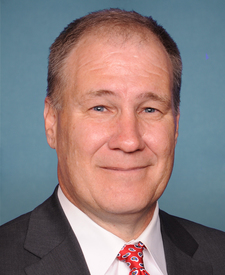
Sponsors


Legislative Progress
In CommitteeMr. Guest introduced the following bill; which was referred to …
Referred to the House Committee on Financial Services.
Introduced in House
Stakeholder Effects
cui bono?How this legislation distributes effects. Mention counts reflect frequency, not effect magnitude.
Depository institutions receiving relief from currency transaction reporting for qualifying reward payments
Crime-stopper nonprofit organizations issuing qualifying cash rewards
Treasury officials required to implement the new exemption
Bill Structure & Actor Mappings
Who is "The Secretary" in each section?
We use a combination of our own taxonomy and classification in addition to large language models to assess meaning and potential beneficiaries. High confidence means strong textual evidence. Always verify with the original bill text.
Learn more about our methodology