BRAVE Act of 2025
Summary
What This Bill Does
The BRAVE Act of 2025 is a multi-title VA mental health and readjustment package. It starts with Readjustment Counseling Service workforce oversight: VA must report within 180 days on market pay surveys, pay disparities, staffing challenges, third-party survey data, geography, qualifications, and short-term incentives. It loosens certain appointment qualification time limits for mental health support occupations and licensed professional mental health counselors when recommended by the Under Secretary for Health. VA must report within 60 days on coordination between VHA and Readjustment Counseling Service, including VISN alignment with Vet Centers, local staff contact information, monthly consultations involving external clinical consultants and suicide prevention coordinators, documentation, and Transition Assistance Program outreach. GAO must report within one year on whether the Vet Center footprint expansion model accounts for rural demand, population shifts, Veterans Crisis Line and suicide rates, mobile Vet Center usage, and unique local needs. VA must report within 60 days on whether RCSNet will be retained or replaced, including rationale, timeline, functionality steps, and replacement costs. For women veterans, VA must conduct surveys and listening sessions within 240 days on suicide prevention, lethal-means safety, mental health messaging, military sexual trauma, intimate partner violence, trauma-informed care, Women Health Transition Training, demographics, and geography, then report within one year after completion. VA must begin modifying REACH VET within 60 days to include women-weighted risk factors such as military sexual trauma and intimate partner violence. VA must review group retreat readjustment services within 60 days and report within 120 days on women-only, wheelchair-accessible, and medically tailored retreats. The bill increases Staff Sergeant Parker Gordon Fox Suicide Prevention Grant Program awards from $750,000 to $1,000,000 and extends the program from three to six years. It requires a plan and pilot at not fewer than three VA facilities for mental health residential treatment access for veterans with spinal cord injury or disorder. It requires annual mental health consultation offers and outreach for veterans receiving compensation for service-connected mental health disabilities, feedback analysis, and biennial reporting. Finally, VA and DOD must jointly report within 180 days on improving transition mental health programs, GAO-24-106189 recommendation status, duplicative efforts, service gaps, and legislative recommendations.
Who Benefits and How
Veterans using Vet Centers benefit if pay surveys, staffing reviews, VHA coordination, and GAO footprint analysis improve Readjustment Counseling Service capacity. Women veterans benefit because VA must tailor suicide prevention and mental health outreach around military sexual trauma, intimate partner violence, trauma-informed care, demographics, and REACH VET risk factors. Veterans with spinal cord injury or disorder benefit from a required VA plan and pilot for residential mental health treatment access at at least three facilities. Veterans receiving compensation for service-connected mental health disabilities benefit from annual consultation offers and outreach about other mental health options. Community suicide prevention grantees benefit because Parker Gordon Fox grants rise to $1,000,000 and the program extends to six years. Transitioning service members benefit if the joint VA-DOD report identifies gaps and improves mental health access during military-to-civilian transition.
Who Bears the Burden and How
VA must produce multiple reports, conduct surveys and listening sessions, modify REACH VET, review retreats, run a spinal-cord-injury residential treatment pilot, offer annual consultations, and analyze feedback. Readjustment Counseling Service and Vet Center staff must support pay surveys, coordination reviews, RCSNet IT reporting, and footprint assessment. GAO must assess the Vet Center expansion model within one year. DOD must coordinate with VA on the transition mental health report and GAO recommendation response. Federal taxpayers bear added grant, pilot, reporting, staffing, IT, outreach, and treatment-access costs.
Key Provisions
- Requires VA reports on Readjustment Counseling Service market pay surveys, staffing challenges, VHA coordination, and RCSNet IT decisions.
- Allows longer qualification waivers for certain VA mental health appointees and licensed professional mental health counselors.
- Requires GAO to assess the Vet Center footprint expansion model, including rural demand, suicide indicators, crisis-line usage, and mobile Vet Center trends.
- Requires women veterans surveys and listening sessions, REACH VET changes for women-weighted risk factors, and review of retreat-based readjustment services.
- Raises Parker Gordon Fox suicide prevention grants from $750,000 to $1,000,000 and extends the program from three to six years.
- Requires a VA plan and pilot for mental health residential treatment access for veterans with spinal cord injury or disorder.
- Requires annual mental health consultation offers for veterans compensated for service-connected mental health disabilities and recurring outreach-effectiveness reports.
- Requires a joint VA-DOD report on transition mental health programs, GAO recommendations, gaps, duplication, and legislative changes.
Evidence Chain:
This summary is generated from the full bill text using AI analysis. Expand "Detailed Analysis" below for identified beneficiaries/burden bearers with clause-level evidence links.
At a Glance
What This Bill Does
Creates a broad veterans mental health and Vet Center package requiring VA pay-survey reports, mental health counselor licensure waivers, VHA-Readjustment Counseling coordination reports, GAO review of Vet Center footprint expansion, RCSNet IT reporting, women veterans suicide-prevention surveys and REACH VET changes, retreat-service review, larger and longer Staff Sergeant Parker Gordon Fox grants, spinal-cord-injury residential mental health access, annual mental health consultations for compensated veterans, and a joint VA-DOD transition mental health report.
Key Policy Areas
Veterans Mental Health, Vet Centers, VA
Primary Purpose
Creates a broad veterans mental health and Vet Center package requiring VA pay-survey reports, mental health counselor licensure waivers, VHA-Readjustment Counseling coordination reports, GAO review of Vet Center footprint expansion, RCSNet IT reporting, women veterans suicide-prevention surveys and REACH VET changes, retreat-service review, larger and longer Staff Sergeant Parker Gordon Fox grants, spinal-cord-injury residential mental health access, annual mental health consultations for compensated veterans, and a joint VA-DOD transition mental health report.
Policy Domains
Substantive provisions
Identified Gains
- Veterans using Vet Centers
- Women veterans
- Veterans with spinal cord injuries or disorders
- Veterans receiving compensation for mental health disabilities
- Community suicide prevention grantees
- Transitioning service members
Identified Costs
- Department of Veterans Affairs
- Readjustment Counseling Service staff
- Vet Center staff
- Government Accountability Office
- Department of Defense
- Federal taxpayers
Sponsors
Legislative Progress
In CommitteeReferred to the Subcommittee on Health.
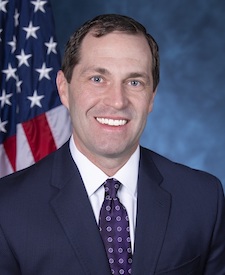
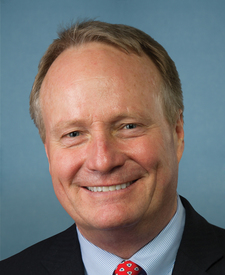
Mr. Crow (for himself and Mrs. Kiggans of Virginia) introduced …
Referred to the Committee on Veterans' Affairs, and in addition …
Introduced in House
Stakeholder Effects
cui bono?How this legislation distributes effects. Mention counts reflect frequency, not effect magnitude.
Congressional Veterans Affairs Committees, Department of Veterans Affairs, Department of Veterans Affairs IT operations
Positive-direction: Congressional Veterans Affairs Committees, VA Readjustment Counseling Service mental health staff
Negative-direction: Department of Veterans Affairs, Department of Veterans Affairs IT operations, Department of Veterans Affairs administration, Government Accountability Office, Readjustment Counseling Service staff, VA REACH VET program administrators, VA Readjustment Counseling Service retreat programs, VA medical facilities with spinal cord injury centers, VA mental health outreach staff, VA suicide prevention staff, Vet Center staff, Veterans Health Administration staff, Women Health Transition Training Program staff
Veterans and family members seeking retreat-based readjustment services, Veterans at high risk for suicide, Veterans at risk for suicide
Licensed professional mental health counselors seeking VA employment
Community-based suicide prevention organizations receiving VA grants
Bill Structure & Actor Mappings
Who is "The Secretary" in each section?
We use a combination of our own taxonomy and classification in addition to large language models to assess meaning and potential beneficiaries. High confidence means strong textual evidence. Always verify with the original bill text.
Learn more about our methodology