Government Shutdown Efficiency Act
Summary
What This Bill Does
The Government Shutdown Efficiency Act creates an unusual property-sale authority for shutdowns. During a partial or full executive-branch appropriations lapse, notwithstanding chapter 33 of title 31, the President may sell federally owned real property and use sale proceeds to pay salary and expenses for Federal officers or employees excepted from furlough. Sale-related services by Federal officers or employees are deemed emergency services involving safety of human life or protection of property under 31 U.S.C. 1342. An officer or employee paid through sale proceeds does not receive separate back pay under 31 U.S.C. 1341(c). If sale proceeds arrive after the lapse ends, the President must deposit them in the Treasury general fund solely for deficit reduction. The bill also says sale proceeds may be used for the purchase of Greenland. Federal officer or employee includes Armed Forces members, including reserve components, performing active service during the lapse. Property excludes Indian trust property, reservations, and real property located within such property.
Who Benefits and How
Excepted Federal employees and active-service Armed Forces members benefit because sale proceeds could pay salary and expenses during a shutdown. The President benefits from temporary authority to liquidate Federal real property during an appropriations lapse. The Treasury general fund benefits from deficit-reduction deposits if proceeds are received after the shutdown ends.
Who Bears the Burden and How
Federal real property holdings bear the direct burden because the President may sell assets during a funding lapse. Federal property managers must support sale-related work during a shutdown as excepted emergency services. Excepted employees paid from proceeds lose later back-pay claims for the same salary and expenses. Indian trust and reservation property administrators must ensure excluded property is not swept into the authority.
Key Provisions
- Authorizes the President to sell Federal real property during an executive-branch appropriations lapse.
- Allows sale proceeds to pay salary and expenses of excepted Federal officers, employees, and active-service Armed Forces members.
- Treats sale-related services as emergency services under 31 U.S.C. 1342.
- Denies later back pay for employees already paid from sale proceeds.
- Requires post-lapse proceeds to go to deficit reduction, while also allowing proceeds to be used to purchase Greenland.
- Excludes Indian trust property, reservations, and real property located within such property.
Evidence Chain:
This summary is generated from the full bill text using AI analysis. Expand "Detailed Analysis" below for identified beneficiaries/burden bearers with clause-level evidence links.
At a Glance
What This Bill Does
Authorizes the President during an executive-branch appropriations lapse to sell Federal real property and use proceeds to pay excepted Federal officers and employees, treats sale-related work as emergency services, denies later back pay to employees paid this way, sends post-lapse proceeds to deficit reduction, allows proceeds to buy Greenland, and excludes Indian trust and reservation real property.
Key Policy Areas
Government Shutdowns, Federal Property, Budget
Primary Purpose
Authorizes the President during an executive-branch appropriations lapse to sell Federal real property and use proceeds to pay excepted Federal officers and employees, treats sale-related work as emergency services, denies later back pay to employees paid this way, sends post-lapse proceeds to deficit reduction, allows proceeds to buy Greenland, and excludes Indian trust and reservation real property.
Policy Domains
Substantive provisions
Identified Gains
- Excepted Federal employees
- Active service Armed Forces members
- President of the United States
- Treasury general fund
Identified Costs
- Federal real property holdings
- Federal property managers
- Excepted employees paid from sale proceeds
- Indian trust property administrators
Sponsors
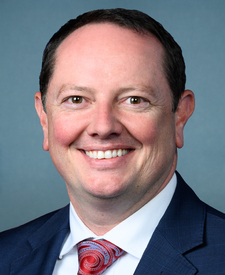
Legislative Progress
In CommitteeReferred to the Subcommittee on Economic Development, Public Buildings, and …
Mr. Burlison introduced the following bill; which was referred to …
Referred to the Committee on Transportation and Infrastructure, and in …
Introduced in House
Stakeholder Effects
cui bono?How this legislation distributes effects. Mention counts reflect frequency, not effect magnitude.
Employees paid through the property-sale mechanism who lose eligibility for later shutdown back pay, Excepted federal officers and employees who could continue receiving salary during a shutdown
Positive-direction: Excepted federal officers and employees who could continue receiving salary during a shutdown
Negative-direction: Employees paid through the property-sale mechanism who lose eligibility for later shutdown back pay
Federal property managers and agencies responsible for emergency property sales during a shutdown
Bill Structure & Actor Mappings
Who is "The Secretary" in each section?
We use a combination of our own taxonomy and classification in addition to large language models to assess meaning and potential beneficiaries. High confidence means strong textual evidence. Always verify with the original bill text.
Learn more about our methodology