VA Work-Study Improvement Act
Summary
What This Bill Does
The VA Work-Study Improvement Act changes the VA work-study program under 38 U.S.C. 3485. It adds a broad qualifying activity category for work at a State or local government agency or nonprofit organization that directly or indirectly benefits veterans or Armed Forces members. It rewrites the applicable hourly minimum wage definition so the wage floor is the highest of the Federal GS/Federal Wage System minimum rate, the State minimum wage where services are performed, or the local minimum wage where services are performed. VA must ensure participants can electronically record hours and supervisors can electronically approve them. VA must publish annual information on qualifying work-study activities, including number of participants, demographics, activity descriptions, wages paid, hours worked, and participating educational institutions. The changes apply to work-study allowance payments made on or after January 1, 2028.
Who Benefits and How
Veterans and service members in VA work-study benefit because qualifying placements expand and wage floors reflect the highest applicable Federal, State, or local minimum wage. State and local government agencies benefit because they can host VA work-study activities that benefit veterans or service members. Nonprofit organizations serving veterans or service members benefit because they can become qualifying work-study placement sites. Congress, students, and the public benefit from annual VA data on participation, demographics, activities, wages, hours, and educational institutions.
Who Bears the Burden and How
VA administrators must update qualifying activity rules, wage calculations, electronic timekeeping, supervisor approvals, and annual public reporting. Participating supervisors must electronically approve work-study hours. Educational institutions and placement organizations may need to coordinate with VA on reporting and electronic records. Federal taxpayers may bear higher allowance costs if wage floors or participation increase.
Key Provisions
- Adds State or local government agency and nonprofit work benefiting veterans or service members as qualifying work-study activity.
- Sets the applicable hourly minimum wage as the highest of Federal, State, or local minimum wages.
- Requires electronic recording of participant hours and electronic supervisor approval.
- Requires annual VA publication of participation, demographic, activity, wage, hour, and educational institution data.
- Applies changes to VA work-study allowance payments on or after January 1, 2028.
Evidence Chain:
This summary is generated from the full bill text using AI analysis. Expand "Detailed Analysis" below for identified beneficiaries/burden bearers with clause-level evidence links.
At a Glance
What This Bill Does
Expands VA work-study qualifying activities to State or local government agencies and nonprofits that benefit veterans or service members, sets the applicable wage floor as the highest of Federal, State, or local minimum wages, requires electronic hour recording and supervisor approval, requires annual public reporting on work-study activities, and applies the changes to payments on or after January 1, 2028.
Key Policy Areas
Veterans Education, Labor, VA
Primary Purpose
Expands VA work-study qualifying activities to State or local government agencies and nonprofits that benefit veterans or service members, sets the applicable wage floor as the highest of Federal, State, or local minimum wages, requires electronic hour recording and supervisor approval, requires annual public reporting on work-study activities, and applies the changes to payments on or after January 1, 2028.
Policy Domains
Substantive provisions
Identified Gains
- Veterans in VA work-study
- Service members in VA work-study
- State government agencies
- Local government agencies
- Nonprofit organizations serving veterans
- Educational institutions
Identified Costs
- VA administrators
- VA work-study supervisors
- Educational institutions
- Placement organizations
- Federal taxpayers
Sponsors

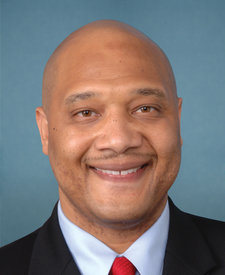
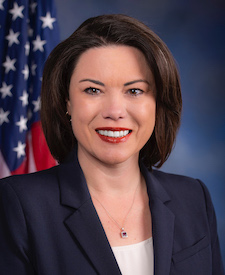


Legislative Progress
In CommitteeReferred to the Subcommittee on Economic Opportunity.
Mrs. McClain Delaney (for herself, Ms. Budzinski, Mr. Carson, Ms. …
Referred to the House Committee on Veterans' Affairs.
Introduced in House
Stakeholder Effects
cui bono?How this legislation distributes effects. Mention counts reflect frequency, not effect magnitude.
Local government agencies, State government agencies
Nonprofit organizations serving veterans
Bill Structure & Actor Mappings
Who is "The Secretary" in each section?
We use a combination of our own taxonomy and classification in addition to large language models to assess meaning and potential beneficiaries. High confidence means strong textual evidence. Always verify with the original bill text.
Learn more about our methodology