Whole-Home Repairs Act of 2025
Summary
What This Bill Does
Creates a HUD whole-home repairs pilot program that gives grants to implementing organizations to help eligible homeowners and small landlords repair, improve, and weatherize homes.
Who Benefits and How
Low- and moderate-income homeowners, renters in affordable units, and small landlords could gain funding for accessibility, habitability, safety, energy, and water-efficiency improvements.
Who Bears the Burden and How
HUD and grantees would need to administer a detailed pilot program, screen eligibility, coordinate with other programs, and monitor compliance on landlord loans.
Key Provisions
- Requires HUD to create a whole-home repairs pilot program within one year.
- Allows grants to homeowners and forgivable loans to eligible landlords for accessibility, safety, efficiency, resilience, and weatherization work.
- Limits landlord participation to smaller owners of affordable properties and requires compliance with loan terms.
Evidence Chain:
This summary is generated from the full bill text using AI analysis. Expand "Detailed Analysis" below for identified beneficiaries/burden bearers.
At a Glance
What This Bill Does
Creates a HUD whole-home repairs pilot program that gives grants to implementing organizations to help eligible homeowners and small landlords repair, improve, and weatherize homes.
Key Policy Areas
Housing, Government Operations, Energy
Primary Purpose
Creates a HUD whole-home repairs pilot program that gives grants to implementing organizations to help eligible homeowners and small landlords repair, improve, and weatherize homes.
Policy Domains
Main Provisions
Identified Gains
Contextual inference, no direct clause citation- Eligible homeowners needing major home repairs
- Tenants in affordable units and small landlords participating in the program
Contextual inference, no direct clause citation
Identified Costs
Contextual inference, no direct clause citation- Department of Housing and Urban Development and grantee organizations administering the pilot
Contextual inference, no direct clause citation
Sponsors

Legislative Progress
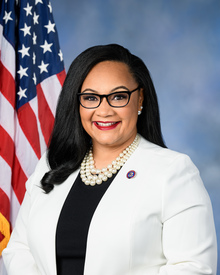
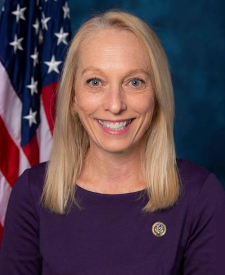
In CommitteeMs. Williams of Georgia (for herself and Mr. Downing) introduced …
Referred to the House Committee on Financial Services.
Introduced in House
Stakeholder Effects
cui bono?How this legislation distributes effects. Mention counts reflect frequency, not effect magnitude.
Eligible homeowners needing accessibility, safety, or efficiency repairs
Small landlords offering affordable units and receiving forgivable loans
Department of Housing and Urban Development and implementing organizations administering the pilot
Bill Structure & Actor Mappings
Who is "The Secretary" in each section?
We use a combination of our own taxonomy and classification in addition to large language models to assess meaning and potential beneficiaries. High confidence means strong textual evidence. Always verify with the original bill text.
Learn more about our methodology