To direct the Comptroller General of the United States and the Secretary of the Treasury to investigate and report on foreign government programs that facilitate Federal tax evasion.
Analysis under review: This bill has generated analysis that may be too generic or incomplete. Clause-level evidence remains available below.
Summary
What This Bill Does
This bill requires the Government Accountability Office (GAO), working with the Treasury Department, to investigate foreign government programs that help people in the U.S. evade federal taxes through international money transfers (remittances). The study must identify such programs, assess whether they intentionally bypass U.S. tax and reporting laws, and report findings to Congress within 180 days.
Who Benefits and How
U.S. tax enforcement agencies benefit by gaining detailed intelligence on foreign programs that may undermine tax collection. The IRS would receive policy recommendations for enforcement responses. Compliant U.S. taxpayers may benefit from a fairer tax system if enforcement closes loopholes used by evaders.
Who Bears the Burden and How
Foreign governments operating remittance facilitation programs may face increased diplomatic and regulatory pressure. International money transfer services could face heightened scrutiny. Individuals who currently use informal or foreign government-facilitated remittance channels may face future enforcement actions based on the study's recommendations.
Key Provisions
- GAO must study foreign programs designed to support remittance transfers from the U.S.
- Study must determine if programs intentionally bypass U.S. tax or reporting laws
- Report with policy recommendations due to Congress within 180 days
Evidence Chain:
This summary is generated from the full bill text using AI analysis. Expand "Detailed Analysis" below for identified beneficiaries/burden bearers with clause-level evidence links.
At a Glance
What This Bill Does
Directs the Government Accountability Office to study and report on foreign government programs that facilitate federal tax evasion through remittance transfers from the United States.
Key Policy Areas
Taxation, International Affairs, Government Oversight
Primary Purpose
Directs the Government Accountability Office to study and report on foreign government programs that facilitate federal tax evasion through remittance transfers from the United States.
Policy Domains
Section 2 - Study and Report
Identified Gains
- IRS and tax enforcement agencies
- Compliant U.S. taxpayers
Identified Costs
- Foreign governments with remittance facilitation programs
- International money transfer services
- Individuals using informal remittance channels
Sponsors
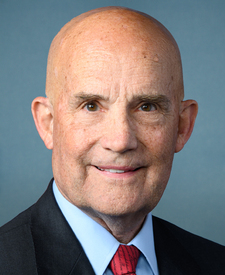
Legislative Progress
IntroducedMr. Self introduced the following bill; which was referred to …
Stakeholder Effects
cui bono?How this legislation distributes effects. Mention counts reflect frequency, not effect magnitude.
Government Accountability Office (Comptroller General), IRS and tax enforcement agencies
Positive-direction: IRS and tax enforcement agencies
Negative-direction: Government Accountability Office (Comptroller General)
Bill Structure & Actor Mappings
Who is "The Secretary" in each section?
- "the_secretary"
- → Secretary of the Treasury
- "the_comptroller_general"
- → Comptroller General of the United States (GAO)
We use a combination of our own taxonomy and classification in addition to large language models to assess meaning and potential beneficiaries. High confidence means strong textual evidence. Always verify with the original bill text.
Learn more about our methodology