To amend the Federal Food, Drug, and Cosmetic Act to ensure that abortion-inducing drugs bear a label identifying the name and address of the dispenser and the name of the prescriber, and for other purposes.
Sponsors




Legislative Progress
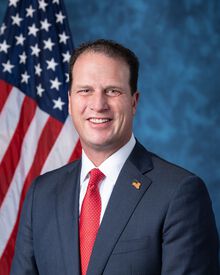
IntroducedMr. Moore of Alabama (for himself, Ms. Hageman, Mrs. Miller …
Summary
What This Bill Does
The LABEL Act mandates that all abortion-inducing drugs must display specific labeling information identifying who dispensed the medication and who prescribed it. The bill also prevents states from creating weaker labeling requirements, establishing a federal minimum standard that applies nationwide.
Who Benefits and How
Anti-abortion advocacy groups and state prosecutors in states with abortion restrictions benefit significantly, as the labeling requirements create a traceable record of who prescribed and dispensed abortion medication. This makes enforcement actions easier to pursue. Law enforcement entities benefit from reduced compliance burdens when investigating potential violations. Pharmaceutical packaging and label printing companies may see modest revenue increases from the need for new compliant labels.
Who Bears the Burden and How
Pharmacies (both retail and online), telehealth providers, and abortion clinics face new compliance burdens and costs to implement the labeling system. Healthcare providers who prescribe abortion medication face increased legal risk due to mandatory identification on drug labels, which may deter some providers from offering these services. Pharmaceutical manufacturers must redesign packaging and labeling. Women seeking medication abortion may face reduced access as some providers may discontinue services due to privacy and legal concerns. The FDA must enforce new misbranding provisions, increasing regulatory workload.
Key Provisions
- Amends the Federal Food, Drug, and Cosmetic Act to require abortion-inducing drugs to display the dispenser'''s name and address and the prescriber'''s name on the label
- Classifies abortion drugs without this labeling as "misbranded" under federal law, subjecting them to FDA enforcement action
- Defines "abortion-inducing drug" as any drug intended or used to terminate pregnancy, explicitly excluding drugs used to remove a deceased fetus or treat ectopic pregnancy
- Establishes federal preemption preventing states from having weaker labeling requirements than the federal standard
- Includes a severability clause ensuring the remainder of the law stays in effect if any provision is found unconstitutional
Evidence Chain:
This summary is derived from the structured analysis below. See "Detailed Analysis" for per-title beneficiaries/burden bearers with clause-level evidence links.
Primary Purpose
Requires abortion-inducing drugs to be labeled with the dispenser and prescriber information and establishes federal preemption floor for state labeling requirements.
Policy Domains
Legislative Strategy
"Create federal traceability requirements for abortion medication distribution and establish federal floor to prevent states from weakening labeling requirements"
Likely Beneficiaries
- Anti-abortion advocacy groups (increased tracking and accountability)
- State prosecutors in states with abortion restrictions (easier enforcement)
- Pharmaceutical tracking systems (potential new compliance infrastructure)
Likely Burden Bearers
- Abortion medication dispensers (pharmacies, telehealth providers, clinics)
- Prescribers of abortion medication
- Women seeking abortion medication (reduced access due to compliance barriers)
- Privacy advocates (patient and provider identifiability concerns)
Bill Structure & Actor Mappings
Who is "The Secretary" in each section?
- "FDA"
- → Federal Food and Drug Administration (enforcement authority for misbranding under FDCA)
- "dispenser"
- → Pharmacy, healthcare provider, or entity that dispenses abortion-inducing drugs
- "prescriber"
- → Healthcare provider who prescribes abortion-inducing drugs
Note: No conflicts identified - this is a short bill with clear scope
Key Definitions
Terms defined in this bill
A drug intended (alone or in combination) to kill an unborn child or terminate pregnancy; excludes drugs used to remove a dead unborn child or treat ectopic pregnancy
Entity that provides abortion-inducing drugs to patients (inferred: pharmacies, healthcare providers, telehealth services)
Healthcare provider who writes prescription for abortion-inducing drugs
We use a combination of our own taxonomy and classification in addition to large language models to assess meaning and potential beneficiaries. High confidence means strong textual evidence. Always verify with the original bill text.
Learn more about our methodology