Strategic Task Force on Scam Prevention Act
Summary
What This Bill Does
The Strategic Task Force on Scam Prevention Act creates a federal interagency task force to address scams. The FTC, in conjunction with DOJ, must convene it. Membership includes DHS and the Secret Service, DOJ and the FBI, State, Treasury, VA, FCC, FTC, SEC, SSA, and USPS. The task force must develop and implement a national strategy that uses the FTC Consumer Sentinel Network and the FBI Internet Crime Complaint Center, includes public education, coordinates with industry entities such as online platforms, uses existing enforcement authorities for money laundering, human trafficking, and fraud, coordinates with international partners, and improves resources for victims to reduce financial losses and recover. Within one year, the task force must submit a report to Congress and make it public. In carrying out its work, it must consult consumer advocacy organizations, banks, generative AI applications, cryptocurrency companies, dating applications, peer-to-peer payment platforms, search engines, social media companies, communications equipment manufacturers and providers, State attorneys general, State securities commissions, and local law enforcement. The task force terminates 10 years after enactment.
Who Benefits and How
Consumers and scam victims benefit because federal agencies must coordinate public education, enforcement, and recovery-resource strategies. The Federal Trade Commission and FBI benefit because the national strategy explicitly uses the Consumer Sentinel Network and Internet Crime Complaint Center. State attorneys general, State securities commissions, and local law enforcement benefit because the task force must consult them on scam prevention. Online platforms, banks, cryptocurrency companies, dating apps, payment platforms, search engines, social media companies, and communications providers benefit from a structured consultation channel before federal strategy is implemented.
Who Bears the Burden and How
FTC and DOJ must convene and operate the task force, coordinate participating agencies, and produce the congressional and public report within one year. DHS, Secret Service, FBI, State, Treasury, VA, FCC, SEC, SSA, and USPS must contribute representatives and agency expertise. Industry participants may face consultation demands, enforcement attention, fraud-control expectations, and pressure to reduce scam-related losses. Federal agencies must maintain the task force and national strategy work for up to 10 years.
Key Provisions
- Requires FTC and DOJ to convene an interagency task force to address scams.
- Includes DHS, Secret Service, FBI, State, Treasury, VA, FCC, SEC, SSA, USPS, FTC, and DOJ representatives.
- Requires a national strategy using FTC and FBI complaint systems, public education, industry coordination, enforcement, international coordination, and victim recovery resources.
- Requires consultation with consumer advocates, financial, technology, communications, State, and local law enforcement stakeholders.
- Directs the task force to report to Congress and the public within one year.
- Terminates the task force 10 years after enactment.
Evidence Chain:
This summary is generated from the full bill text using AI analysis. Expand "Detailed Analysis" below for identified beneficiaries/burden bearers with clause-level evidence links.
At a Glance
What This Bill Does
Requires the Federal Trade Commission and Justice Department to convene a 10-year interagency scam-prevention task force, develop and implement a national strategy using FTC and FBI complaint systems, public education, industry coordination, enforcement, international coordination, and victim recovery resources, and report publicly to Congress within one year.
Key Policy Areas
Consumer Protection, Fraud, Law Enforcement
Primary Purpose
Requires the Federal Trade Commission and Justice Department to convene a 10-year interagency scam-prevention task force, develop and implement a national strategy using FTC and FBI complaint systems, public education, industry coordination, enforcement, international coordination, and victim recovery resources, and report publicly to Congress within one year.
Policy Domains
Substantive provisions
Identified Gains
- Consumers
- Scam victims
- Federal Trade Commission
- Federal Bureau of Investigation
- State attorneys general
- Local law enforcement agencies
Identified Costs
- Federal Trade Commission staff
- Department of Justice staff
- Department of Homeland Security representatives
- Financial institutions
- Technology platforms
- Communications providers
Sponsors


Legislative Progress
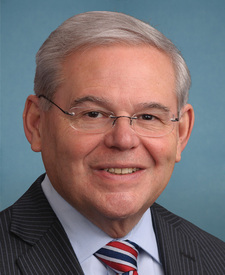
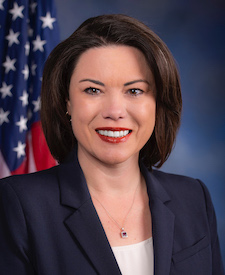
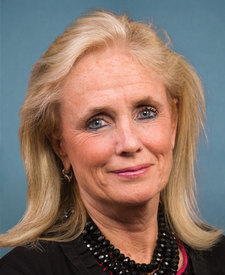
In CommitteeMr. Menendez (for himself, Mrs. Houchin, Ms. Craig, Mrs. Dingell, …
Referred to the Committee on Energy and Commerce, and in …
Introduced in House
Stakeholder Effects
cui bono?How this legislation distributes effects. Mention counts reflect frequency, not effect magnitude.
Federal Trade Commission staff, Scam victims
Positive-direction: Scam victims
Negative-direction: Federal Trade Commission staff
Department of Justice staff, Federal Bureau of Investigation staff, State attorneys general
Bill Structure & Actor Mappings
Who is "The Secretary" in each section?
We use a combination of our own taxonomy and classification in addition to large language models to assess meaning and potential beneficiaries. High confidence means strong textual evidence. Always verify with the original bill text.
Learn more about our methodology