Student Veteran Work Study Modernization Act
Summary
What This Bill Does
The Student Veteran Work Study Modernization Act updates the VA work-study allowance framework through a pilot program. Section 2 requires the Secretary of Veterans Affairs to carry out a five-year pilot expanding eligibility for the work-study allowance under 38 U.S.C. 3485 to individuals pursuing covered rehabilitation, education, or training programs at least half time. The pilot applies the normal section 3485 rules to these individuals except for the existing three-quarter-time student-status requirement. Section 3 adds reporting: within 180 days after enactment and annually afterward, VA must report to the House and Senate Veterans' Affairs Committees on veterans who participate in work-study, including the number of participating veterans, the percentage who obtain a four-year degree, and the number who obtain full-time work at VA. Section 4 states that PAYGO budgetary effects are determined by the latest Budgetary Effects of PAYGO Legislation statement submitted by the House Budget Committee chair before passage.
Who Benefits and How
Half-time student veterans benefit because the pilot lets them qualify for VA work-study allowances even when they do not meet the three-quarter-time threshold. Veterans in rehabilitation, education, or training programs benefit because paid work-study can support school persistence and employment experience. VA facilities benefit if more student veterans can take work-study positions that lead to full-time VA employment. Congressional Veterans' Affairs Committees benefit because annual reports provide data on participation, four-year degree completion, and full-time VA employment outcomes.
Who Bears the Burden and How
The Secretary of Veterans Affairs must design and run the five-year eligibility pilot. VA education-benefits staff must apply half-time eligibility, administer allowances, and track participating veterans. VA reporting staff must submit the initial 180-day report and annual reports to both Veterans' Affairs Committees. Federal taxpayers bear any added allowance costs from expanding work-study eligibility.
Key Provisions
- Requires VA to run a five-year pilot expanding work-study allowance eligibility to at least half-time participants.
- Applies section 3485 work-study rules while waiving the three-quarter-time status requirement for pilot participants.
- Requires VA to report within 180 days and annually on veteran work-study participation.
- Requires reporting on four-year degree completion and full-time VA employment outcomes.
- Provides PAYGO budgetary-effect treatment by reference to the House Budget Committee statement.
Evidence Chain:
This summary is generated from the full bill text using AI analysis. Expand "Detailed Analysis" below for identified beneficiaries/burden bearers with clause-level evidence links.
At a Glance
What This Bill Does
Creates a five-year VA pilot expanding work-study allowance eligibility to veterans and other covered individuals pursuing qualifying rehabilitation, education, or training at least half time, requires annual reporting on veteran work-study participation and outcomes, and applies PAYGO budget-score treatment.
Key Policy Areas
Veterans Education, Work Study, VA
Primary Purpose
Creates a five-year VA pilot expanding work-study allowance eligibility to veterans and other covered individuals pursuing qualifying rehabilitation, education, or training at least half time, requires annual reporting on veteran work-study participation and outcomes, and applies PAYGO budget-score treatment.
Policy Domains
Substantive provisions
Identified Gains
- Half-time student veterans
- Veterans in rehabilitation programs
- Veterans in education programs
- VA facilities
- Congressional Veterans Affairs Committees
Identified Costs
- Secretary of Veterans Affairs
- VA education benefits staff
- VA reporting staff
- Federal taxpayers
Sponsors


Legislative Progress
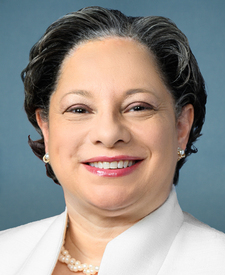
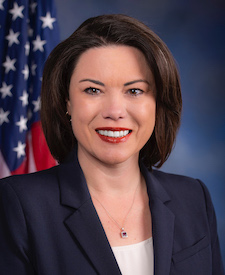
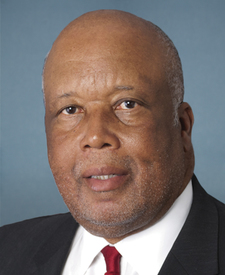
In CommitteeMs. McClellan (for herself, Mr. Larsen of Washington, Mrs. McClain …
Introduced in House
Referred to the Committee on Veterans' Affairs, and in addition …
Stakeholder Effects
cui bono?How this legislation distributes effects. Mention counts reflect frequency, not effect magnitude.
Congressional Veterans Affairs Committees, House Budget Committee staff, VA education benefits staff
Positive-direction: Congressional Veterans Affairs Committees
Negative-direction: VA education benefits staff, VA reporting staff
Half-time student veterans, Veterans in rehabilitation programs
Bill Structure & Actor Mappings
Who is "The Secretary" in each section?
We use a combination of our own taxonomy and classification in addition to large language models to assess meaning and potential beneficiaries. High confidence means strong textual evidence. Always verify with the original bill text.
Learn more about our methodology