To reauthorize the North Korean Human Rights Act of 2004, and for other purposes.
Analysis under review: This bill has generated analysis that may be too generic or incomplete. Clause-level evidence remains available below.
Summary
What This Bill Does
This bill extends the North Korean Human Rights Act of 2004 through 2030, continuing U.S. programs that document human rights abuses, support information broadcasting into North Korea, and assist North Korean refugees. It also adds new annual reporting requirements for the State Department on human rights activities.
Who Benefits and How
North Korean refugees and defectors benefit from continued U.S. support for refugee protection and resettlement programs. Human rights NGOs working on North Korea issues receive continued authorization for funding. Broadcasting organizations like Radio Free Asia benefit from reauthorized support for information dissemination into North Korea.
Who Bears the Burden and How
The State Department faces new annual reporting requirements to Congress on human rights coordination efforts. The Bureau of East Asia and Pacific Affairs must submit detailed annual reports on programs, strategies, and engagements related to North Korean human rights.
Key Provisions
- Extends authorization of appropriations for North Korean human rights programs through 2030
- Requires annual State Department reports on human rights activities and strategies
- Mandates reporting if Special Envoy position remains vacant for over a year
- Expresses sense of Congress urging China to stop forcible repatriation of North Korean refugees
Evidence Chain:
This summary is generated from the full bill text using AI analysis. Expand "Detailed Analysis" below for identified beneficiaries/burden bearers.
At a Glance
What This Bill Does
Reauthorizes the North Korean Human Rights Act of 2004 through 2030, extending funding for programs promoting human rights, information access, and refugee protection in North Korea
Key Policy Areas
Foreign Affairs, Human Rights, Immigration/Refugees
Primary Purpose
Reauthorizes the North Korean Human Rights Act of 2004 through 2030, extending funding for programs promoting human rights, information access, and refugee protection in North Korea
Policy Domains
North Korean Human Rights Reauthorization Act of 2025
Identified Gains
Contextual inference, no direct clause citation- North Korean refugees and defectors
- Human rights NGOs
- Broadcasting organizations (Radio Free Asia, Voice of America)
- Korean American divided families
Contextual inference, no direct clause citation
Identified Costs
Contextual inference, no direct clause citation- Department of State
- Bureau of East Asia and Pacific Affairs
Contextual inference, no direct clause citation
Sponsors
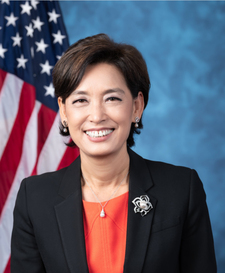
Young Kim
R-CA | Primary Sponsor
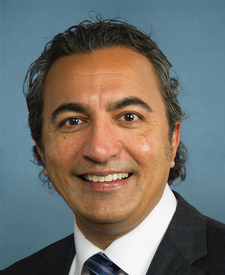
Legislative Progress
IntroducedMrs. Kim (for herself and Mr. Bera) introduced the following …
Stakeholder Effects
cui bono?How this legislation distributes effects. Mention counts reflect frequency, not effect magnitude.
Congressional oversight committees, Department of State, Department of State - Bureau of East Asia and Pacific Affairs
Positive-direction: Congressional oversight committees
Negative-direction: Department of State, Department of State - Bureau of East Asia and Pacific Affairs
North Korean refugees and defectors, North Korean refugees seeking resettlement
Human rights NGOs receiving NKHRA funding
International broadcasting organizations
Bill Structure & Actor Mappings
Who is "The Secretary" in each section?
- "special_envoy"
- → Special Envoy on North Korean Human Rights Issues
- "the_secretary"
- → Secretary of State
- "assistant_secretary"
- → Assistant Secretary for the Bureau of East Asia and Pacific Affairs
Key Definitions
Terms defined in this bill
North Korean Human Rights Reauthorization Act of 2025
We use a combination of our own taxonomy and classification in addition to large language models to assess meaning and potential beneficiaries. High confidence means strong textual evidence. Always verify with the original bill text.
Learn more about our methodology