Keep SNAP and WIC Funded Act of 2025
Summary
What This Bill Does
The Keep SNAP and WIC Funded Act of 2025 is an appropriations-lapse protection bill for federal nutrition programs. For fiscal year 2026, if interim continuing appropriations or full-year appropriations for the Department of Agriculture have not been enacted, the bill appropriates such sums as necessary from otherwise unappropriated Treasury funds. Those funds must provide uninterrupted Supplemental Nutrition Assistance Program benefits, consolidated block grants under section 19 of the Food and Nutrition Act, and Special Supplemental Nutrition Program for Women, Infants, and Children operations. The funding also covers any missed benefits during the period beginning September 30, 2025, and ending on enactment. The authority lasts until USDA appropriations or a continuing appropriation becomes law, or until September 30, 2026, whichever comes first. USDA must use the money to reimburse State agencies for SNAP, section 19 block grant, and WIC costs incurred during a lapse if the agencies operated the programs in accordance with federal law. When regular appropriations are later enacted, the stopgap spending is charged to the applicable account.
Who Benefits and How
SNAP households benefit because food assistance continues during a fiscal year 2026 USDA funding lapse and missed benefits after September 30, 2025, can be paid. Women, infants, and children receiving WIC benefit because nutrition benefits and program operations continue during an appropriations gap. State SNAP and WIC agencies benefit because USDA must reimburse eligible costs they incur while keeping programs running during the lapse. Territories and communities receiving consolidated block grants benefit because section 19 nutrition assistance is included in the uninterrupted funding.
Who Bears the Burden and How
USDA Food and Nutrition Service officials must administer the open-ended appropriation, reimburse State agencies, and track missed benefits during the lapse period. State agencies must continue operating SNAP, WIC, and block grant programs according to federal law to qualify for reimbursement. Treasury must provide such sums as necessary from otherwise unappropriated money until USDA appropriations are enacted or fiscal year 2026 ends. Congressional appropriators must account for the stopgap expenditures because they are later charged to the applicable appropriation, fund, or authorization.
Key Provisions
- Appropriates such sums as necessary in fiscal year 2026 when USDA lacks interim or full-year appropriations.
- Provides uninterrupted SNAP, consolidated block grant, and WIC benefits and operations during the lapse.
- Covers missed benefits for the period beginning September 30, 2025, and ending on enactment.
- Requires USDA to reimburse State agencies for lawful program costs incurred during the lapse.
- Charges expenditures back to the applicable account once regular appropriations are enacted.
Evidence Chain:
This summary is generated from the full bill text using AI analysis. Expand "Detailed Analysis" below for identified beneficiaries/burden bearers with clause-level evidence links.
At a Glance
What This Bill Does
Creates fiscal year 2026 mandatory stopgap funding for SNAP, consolidated nutrition block grants, and WIC during a USDA appropriations lapse, covers missed benefits after September 30, 2025, reimburses State agencies that keep programs operating, and charges the spending back to later enacted appropriations.
Key Policy Areas
Nutrition Assistance, Appropriations, USDA
Primary Purpose
Creates fiscal year 2026 mandatory stopgap funding for SNAP, consolidated nutrition block grants, and WIC during a USDA appropriations lapse, covers missed benefits after September 30, 2025, reimburses State agencies that keep programs operating, and charges the spending back to later enacted appropriations.
Policy Domains
Substantive provisions
Identified Gains
- SNAP households
- WIC participants
- State SNAP agencies
- State WIC agencies
- Consolidated nutrition block grant recipients
Identified Costs
- USDA Food and Nutrition Service officials
- State nutrition agencies
- Treasury officials
- Congressional appropriators
- Federal taxpayers
Sponsors
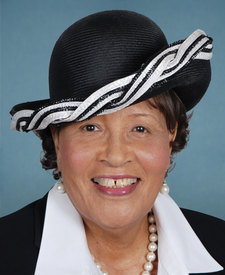
Legislative Progress
In CommitteeMrs. Hayes (for herself, Ms. Adams, Ms. Ansari, Mrs. Beatty, …
Referred to the House Committee on Appropriations.
Introduced in House
Stakeholder Effects
cui bono?How this legislation distributes effects. Mention counts reflect frequency, not effect magnitude.
SNAP recipients (low-income households), WIC participants (women, infants, children)
Bill Structure & Actor Mappings
Who is "The Secretary" in each section?
We use a combination of our own taxonomy and classification in addition to large language models to assess meaning and potential beneficiaries. High confidence means strong textual evidence. Always verify with the original bill text.
Learn more about our methodology