HR5946-119

In Committee

Stamp Out Veterans Medical Debt Act

119th Congress Introduced Nov 7, 2025

Summary

What This Bill Does

The Stamp Out Veterans Medical Debt Act requires the United States Postal Service to issue and sell a special postage stamp called the Veterans Medical Debt Relief Stamp. The stamp is intended to give members of the public a convenient way to contribute funds that pay medical debt incurred by veterans for hospital care, medical services, extended care services, and Community Care Program services furnished through the Department of Veterans Affairs.

The stamp must be issued in time for Veterans Day each year, may use a design chosen by USPS, and is not subject to the usual numerical limitation for semipostal stamps. All amounts made available from stamp sales must be transferred to VA. The Secretary of Veterans Affairs must distribute those funds to VA offices including the Veterans Health Administration, Debt Management Center, Financial Service Center, and VHA Revenue Operations to pay down unresolved copayment and coinsurance billings tied to VA and Community Care Program services.

Who Benefits and How

Veterans with unresolved VA medical copayment or coinsurance debt benefit because stamp proceeds are directed to paying down those obligations. VA medical debt offices benefit because they receive a dedicated outside funding stream to resolve bills associated with VA care and Community Care Program services. Members of the public who want to support veteran medical-debt relief benefit from a simple voluntary contribution mechanism through postage purchases.

Who Bears the Burden and How

The United States Postal Service must design, issue, sell, and administer the annual semipostal stamp. VA offices including the Veterans Health Administration, Debt Management Center, Financial Service Center, and VHA Revenue Operations must receive the transferred amounts and apply them to eligible veteran medical debt. Stamp purchasers bear the voluntary cost above ordinary postage if they choose to buy the stamp.

Key Provisions

  • Creates a Veterans Medical Debt Relief Stamp sold by the United States Postal Service.
  • Requires all amounts made available from stamp sales to be transferred to the Department of Veterans Affairs.
  • Requires the stamp to be issued in time for Veterans Day each year.
  • Exempts the stamp from the usual numerical limitation for semipostal stamps.
  • Directs VA to use transferred funds to pay down unresolved veteran copayment and coinsurance bills for VA and Community Care Program services.

Evidence Chain:

This summary is generated from the full bill text using AI analysis. Expand "Detailed Analysis" below for identified beneficiaries/burden bearers with clause-level evidence links.

At a Glance

What This Bill Does

Requires the U.S. Postal Service to issue a Veterans Medical Debt Relief Stamp and transfer proceeds to the Department of Veterans Affairs to pay down unresolved veteran medical debt for VA and Community Care Program services.

Key Policy Areas

Veterans Health, Postal Service, Medical Debt, Department of Veterans Affairs

Primary Purpose

Requires the U.S. Postal Service to issue a Veterans Medical Debt Relief Stamp and transfer proceeds to the Department of Veterans Affairs to pay down unresolved veteran medical debt for VA and Community Care Program services.

Policy Domains

Veterans Health Postal Service Medical Debt Department of Veterans Affairs

Section 2 Veterans Medical Debt Relief Stamp

Identified Gains
  • Veterans with unresolved VA medical debt
  • Veterans Health Administration revenue offices
  • Members of the public buying veterans debt relief stamps
Model: codex-gpt-5 | Version: bill_summary_v2 | Source: ih
Veterans with unresolved VA medical debt:
Veterans Health Administration revenue offices:
Members of the public buying veterans debt relief stamps:
Identified Costs
  • United States Postal Service stamp program staff
  • Department of Veterans Affairs debt management offices
  • Voluntary purchasers of the veterans debt relief stamp
Model: codex-gpt-5 | Version: bill_summary_v2 | Source: ih
United States Postal Service stamp program staff:
Department of Veterans Affairs debt management offices:
Voluntary purchasers of the veterans debt relief stamp:

Legislative Progress

In Committee
Introduced Committee Passed
Nov 20, 2025

Referred to the Subcommittee on Health.

Nov 7, 2025

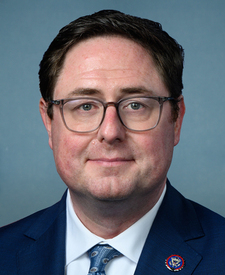
Mr. Flood (for himself and Mr. Self) introduced the following …

Nov 7, 2025

Referred to the Committee on Oversight and Government Reform, and …

Nov 7, 2025

Introduced in House

Stakeholder Effects

cui bono?

How this legislation distributes effects. Mention counts reflect frequency, not effect magnitude.

Government
2 mentions across 1 clause
+1 positive -1 negative

Department of Veterans Affairs debt management offices, Veterans Health Administration revenue offices

Positive-direction: Veterans Health Administration revenue offices

Negative-direction: Department of Veterans Affairs debt management offices

Veterans
1 mention across 1 clause
+1 positive

Veterans with unresolved VA medical debt

Postal Service
1 mention across 1 clause
-1 negative

United States Postal Service stamp program staff

1/2
sections analyzed
Full impact breakdown

Bill Structure & Actor Mappings

Who is "The Secretary" in each section?

Domains
Veterans Health Postal Service Medical Debt
Actor Mappings
"usps"
→ United States Postal Service
"secretary"
→ Secretary of Veterans Affairs
"va_offices"
→ Veterans Health Administration, Debt Management Center, Financial Service Center, and VHA Revenue Operations

Key Definitions

Terms defined in this bill

1 term
"Veterans Medical Debt Relief Stamp" §2(a)

A special postage stamp sold by USPS to generate funds for paying veteran medical debt from VA and Community Care Program services.

We use a combination of our own taxonomy and classification in addition to large language models to assess meaning and potential beneficiaries. High confidence means strong textual evidence. Always verify with the original bill text.

Learn more about our methodology