Seniors Deserve SMARTER Care Act of 2025
Summary
What This Bill Does
The Seniors Deserve SMARTER Care Act of 2025 is a narrow Medicare oversight bill. It targets the Wasteful and Inappropriate Services Reduction model, known as WISeR, described in the July 1, 2025 Federal Register notice. WISeR would have tested prior authorization for selected Medicare services as an innovative payment and service delivery model. The bill does not redesign Medicare benefits generally; it creates a direct statutory stop sign. The Secretary of Health and Human Services may not implement WISeR, and may not implement a substantially similar model. That means CMS could not move forward with the targeted prior-authorization test under the authority described in the notice unless Congress later changed the law.
Who Benefits and How
Medicare beneficiaries who need services targeted by WISeR benefit because the bill prevents a new prior-authorization layer from delaying or denying access under that model. Physicians, suppliers, and health care providers serving Medicare patients benefit because they avoid documentation, submission, and appeal burdens tied to the WISeR model. Senior advocates benefit because the prohibition gives them a clear statutory safeguard against a prior-authorization demonstration they view as risky for older adults.
Who Bears the Burden and How
HHS and CMS innovation staff must halt implementation of WISeR and avoid designing a substantially similar model. Contractors or vendors preparing to administer WISeR-related review work lose the opportunity to participate in that Medicare model. Federal taxpayers and Medicare trust funds may bear higher spending risk if services that WISeR would have treated as wasteful or inappropriate remain outside that prior-authorization control.
Key Provisions
- Prohibits HHS from implementing the Medicare WISeR model described at 90 Fed. Reg. 28749.
- Blocks any substantially similar Medicare payment or service delivery model.
- Protects affected Medicare beneficiaries and providers from the model's prior-authorization process.
Evidence Chain:
This summary is generated from the full bill text using AI analysis. Expand "Detailed Analysis" below for identified beneficiaries/burden bearers with clause-level evidence links.
At a Glance
What This Bill Does
Bars the Secretary of Health and Human Services from implementing the Medicare WISeR prior-authorization demonstration or any substantially similar model, preserving access to selected Medicare services without that payment-model intervention.
Key Policy Areas
Medicare, Health Care, HHS
Primary Purpose
Bars the Secretary of Health and Human Services from implementing the Medicare WISeR prior-authorization demonstration or any substantially similar model, preserving access to selected Medicare services without that payment-model intervention.
Policy Domains
Substantive provisions
Identified Gains
- Medicare beneficiaries
- Physicians serving Medicare patients
- Medicare suppliers
- Senior advocates
Identified Costs
- HHS innovation staff
- CMS model designers
- WISeR review contractors
- Federal taxpayers
Sponsors

Legislative Progress
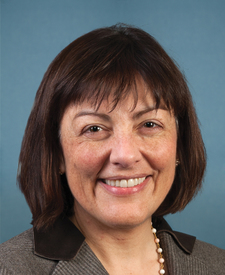
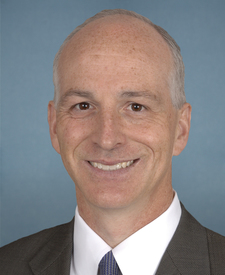
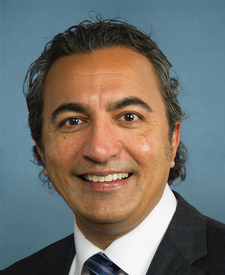
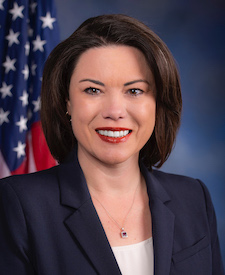
In CommitteeMs. DelBene (for herself, Mr. Bera, Mr. Landsman, Ms. Schrier, …
Referred to the Committee on Ways and Means, and in …
Introduced in House
Stakeholder Effects
cui bono?How this legislation distributes effects. Mention counts reflect frequency, not effect magnitude.
Healthcare providers subject to Medicare prior authorization under the WISeR model, Medicare beneficiaries seeking affected services
Bill Structure & Actor Mappings
Who is "The Secretary" in each section?
We use a combination of our own taxonomy and classification in addition to large language models to assess meaning and potential beneficiaries. High confidence means strong textual evidence. Always verify with the original bill text.
Learn more about our methodology