To establish within the Department of Health and Human Services an Ombuds for Reproductive and Sexual Health.
Analysis under review: This bill has generated analysis that may be too generic or incomplete. Clause-level evidence remains available below.
Summary
What This Bill Does
This bill creates a new position within the Department of Health and Human Services called the Ombuds for Reproductive and Sexual Health. This official will educate the public about reproductive healthcare services including abortion, analyze gaps in insurance coverage for these services, and combat misinformation about reproductive and sexual health.
Who Benefits and How
Patients seeking reproductive healthcare benefit from improved access to information about providers and services. Title X family planning clinics and abortion funds gain increased visibility through the Ombuds public information efforts. LGBTQ+ individuals, racial minorities, people with disabilities, and low-income patients are specifically identified as populations the Ombuds must serve.
Who Bears the Burden and How
HHS faces new administrative costs for staffing and resourcing the Ombuds office. Entities spreading reproductive health misinformation may face increased scrutiny and correction efforts. There are no new compliance requirements on private healthcare providers or insurers.
Key Provisions
- Creates an independent Ombuds office within HHS reporting directly to the Secretary
- Requires analysis of insurance coverage gaps for reproductive health services
- Mandates annual reports to Congress on reproductive healthcare access
- Coordinates with FTC on consumer protection and data privacy for reproductive health services
Evidence Chain:
This summary is generated from the full bill text using AI analysis. Expand "Detailed Analysis" below for identified beneficiaries/burden bearers.
At a Glance
What This Bill Does
Establishes an Ombuds for Reproductive and Sexual Health within HHS to educate the public, analyze healthcare access data, disseminate provider information, and combat reproductive health misinformation
Key Policy Areas
Healthcare, Reproductive Rights, Consumer Protection, Public Health
Primary Purpose
Establishes an Ombuds for Reproductive and Sexual Health within HHS to educate the public, analyze healthcare access data, disseminate provider information, and combat reproductive health misinformation
Policy Domains
HHS Reproductive and Sexual Health Ombuds Act of 2025
Identified Gains
Contextual inference, no direct clause citation- Patients seeking reproductive healthcare
- Title X family planning clinics
- Abortion providers and funds
- LGBTQ+ individuals
- Low-income patients
Contextual inference, no direct clause citation
Identified Costs
Contextual inference, no direct clause citation- HHS (administrative costs)
- Sources of reproductive health misinformation
Contextual inference, no direct clause citation
Sponsors
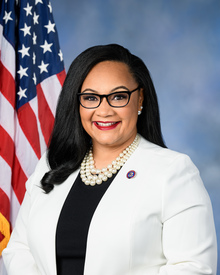



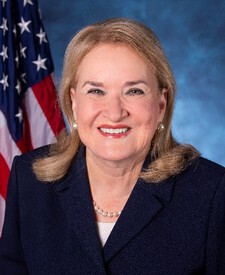
Legislative Progress
IntroducedMs. Williams of Georgia (for herself, Ms. Garcia of Texas, …
Stakeholder Effects
cui bono?How this legislation distributes effects. Mention counts reflect frequency, not effect magnitude.
LGBTQ+ individuals seeking healthcare, Patients seeking reproductive and sexual healthcare
Abortion funds and reproductive health advocacy organizations
Health insurers in individual, group, and federal markets
Sources of reproductive health misinformation
Bill Structure & Actor Mappings
Who is "The Secretary" in each section?
- "the_ombuds"
- → Ombuds for Reproductive and Sexual Health (new position)
- "the_secretary"
- → Secretary of Health and Human Services
- "the_department"
- → Department of Health and Human Services
Key Definitions
Terms defined in this bill
Federal health care programs, health insurance coverage in large group, small group, and individual markets, and self-insured group health plans
Any information relating to reproductive and sexual health that is not evidence-based or medically accurate
Evidence-based, medically accurate medical, surgical, counseling, or referral services relating to reproductive and sexual health, including abortion
We use a combination of our own taxonomy and classification in addition to large language models to assess meaning and potential beneficiaries. High confidence means strong textual evidence. Always verify with the original bill text.
Learn more about our methodology