To authorize leases of up to 99 years for land held in trust for federally recognized Indian Tribes.
Summary
What This Bill Does
This bill amends the Indian long-term leasing statute, the first section of the Act of August 9, 1955, codified at 25 U.S.C. 415(a). Current law lists particular reservations or Tribal lands that may use longer lease terms. The bill inserts land held in trust for any other Indian Tribe included on the Interior Secretary's list of federally recognized Tribes after the Chehalis Reservation reference.
The practical effect is to make the 99-year leasing authority available to trust land of federally recognized Indian Tribes generally, rather than leaving many Tribes dependent on shorter lease terms or tribe-specific statutory amendments. Longer lease authority can matter for housing, commercial development, energy projects, infrastructure, and financing because lenders, developers, and public partners often need lease terms long enough to recover investment and secure collateral.
Who Benefits and How
Federally recognized Tribal governments benefit because more trust land can be leased for up to 99 years without a separate tribe-specific act. Tribal housing authorities benefit from lease terms that better match residential financing, subdivision planning, and long-term infrastructure needs. Tribal economic development corporations benefit because commercial partners can receive longer site-control terms for projects on trust land. Private lessees and lenders benefit from clearer long-term tenure when financing buildings, utilities, energy facilities, or business operations. Tribal members benefit if longer leases support housing supply, jobs, community facilities, or revenue for Tribal programs.
Who Bears the Burden and How
BIA realty staff must administer longer-term lease approvals and records for more federally recognized Tribes. Tribal councils and land offices must evaluate whether proposed 99-year leases protect Tribal land interests across multiple generations. Lessees must comply with lease terms, environmental requirements, rent obligations, and any Tribal approvals attached to trust-land use. Interior legal staff must apply the expanded statutory authority consistently across Tribes on the federally recognized list. Community members concerned about long-term land encumbrances may face reduced flexibility once a long lease is approved.
Key Provisions
- Provides 99-year lease authority for land held in trust for any federally recognized Indian Tribe listed by the Interior Secretary.
- Amends the Act of August 9, 1955 by adding the broader Tribal trust-land category after the Chehalis Reservation reference.
- Expands access to long-term leasing tools for Tribal housing, infrastructure, energy, commercial, and community-development projects.
- Requires BIA and Tribal land officials to manage longer lease terms through existing trust-land approval and oversight processes.
Evidence Chain:
This summary is generated from the full bill text using AI analysis. Expand "Detailed Analysis" below for identified beneficiaries/burden bearers with clause-level evidence links.
At a Glance
What This Bill Does
Expands 99-year leasing authority under the Act of August 9, 1955 by adding trust land held for any federally recognized Indian Tribe on the Interior Secretary's official list, giving more Tribes access to longer-term lease tools for housing, infrastructure, economic development, and land-use planning.
Key Policy Areas
Tribal Affairs, Public Lands, Economic Development
Primary Purpose
Expands 99-year leasing authority under the Act of August 9, 1955 by adding trust land held for any federally recognized Indian Tribe on the Interior Secretary's official list, giving more Tribes access to longer-term lease tools for housing, infrastructure, economic development, and land-use planning.
Policy Domains
House resolution provisions
Identified Gains
- Federally recognized Tribal governments
- Tribal housing authorities
- Tribal economic development corporations
- Private lessees
- Tribal members
Identified Costs
- BIA realty staff
- Tribal councils
- Tribal land offices
- Lessees
- Interior legal staff
- Community members concerned about long-term land encumbrances
Sponsors

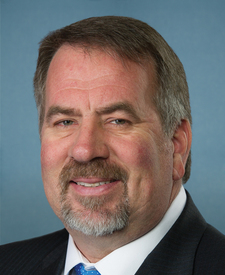



Legislative Progress
ReportedReceived in the Senate and Read twice and referred to …
Received; read twice and referred to the Committee on Indian …
Motion to reconsider laid on the table Agreed to without …
Mr. Westerman moved to suspend the rules and pass the …
Motion to reconsider laid on the table Agreed to without …
On motion to suspend the rules and pass the bill …
Passed/agreed to in House: On motion to suspend the rules …
DEBATE - The House proceeded with forty minutes of debate …
Committed to the Committee of the Whole House on the …
Placed on the Union Calendar, Calendar No. 388.
Bill Structure & Actor Mappings
Who is "The Secretary" in each section?
- "bia"
- → Bureau of Indian Affairs
- "secretary"
- → Secretary of the Interior
We use a combination of our own taxonomy and classification in addition to large language models to assess meaning and potential beneficiaries. High confidence means strong textual evidence. Always verify with the original bill text.
Learn more about our methodology