To direct the Secretary of Housing and Urban Development to establish procedures for reporting of condemned Federally assisted rental housing and to authorize penalties related to such condemned housing, and for other purposes.
Summary
What This Bill Does
This bill creates a federal reporting and penalty framework for condemned federally assisted rental housing. Within six months, HUD must establish procedures for tenants of federally assisted rental housing to report when their housing has been condemned by a city, county, State, or Federal agency. HUD may impose a civil penalty of up to $50,000 on an owner of federally assisted rental housing that has been condemned. The definition of federally assisted rental housing is broad: it covers rental units or projects assisted under HUD or USDA programs, including the Low-Income Housing Tax Credit, domestic violence transitional housing, VA supportive services for very low-income veteran families, homeless veteran transitional housing, homeless veterans with special needs, National Housing Act section 236 and 221 programs, public housing, Section 8, HOME, McKinney-Vento homelessness assistance, the Housing Trust Fund, Section 202 elderly supportive housing, Section 811 disability supportive housing, HOPWA, Native American housing, Native Hawaiian housing, rural rental housing, and any other federal housing program providing affordable housing through restricted rents or rental assistance.
Who Benefits and How
Tenants in condemned federally assisted housing benefit because they receive a direct reporting channel to HUD. Public housing tenants, Section 8 tenants, rural rental housing tenants, veteran housing residents, elderly supportive housing residents, and disability supportive housing residents benefit from coverage across major federal programs. HUD enforcement staff benefit from tenant reports that identify condemned properties receiving federal housing assistance. Local code enforcement agencies benefit if HUD penalties give owners another incentive to address condemned conditions.
Who Bears the Burden and How
HUD staff must establish reporting procedures within six months and process tenant reports across HUD and USDA-assisted housing programs. Owners of condemned federally assisted rental housing face civil penalties of up to $50,000. Federally assisted property managers may need to respond to HUD inquiries and enforcement actions after tenant reports. USDA rural housing administrators may need to coordinate with HUD where rural rental housing properties are included.
Key Provisions
- Requires HUD to establish tenant reporting procedures for condemned federally assisted rental housing within six months.
- Authorizes HUD to impose civil penalties up to $50,000 on owners of condemned federally assisted rental housing.
- Defines federally assisted rental housing to include HUD, USDA, LIHTC, VA veteran housing, public housing, Section 8, HOME, McKinney-Vento, Housing Trust Fund, Section 202, Section 811, HOPWA, Native American housing, Native Hawaiian housing, and rural rental housing programs.
Evidence Chain:
This summary is generated from the full bill text using AI analysis. Expand "Detailed Analysis" below for identified beneficiaries/burden bearers with clause-level evidence links.
At a Glance
What This Bill Does
Requires HUD to establish tenant reporting procedures for condemned federally assisted rental housing within six months and authorizes civil penalties up to $50,000 against owners of federally assisted rental housing condemned by a city, county, State, or Federal agency.
Key Policy Areas
Housing, Tenant Safety, HUD Enforcement
Primary Purpose
Requires HUD to establish tenant reporting procedures for condemned federally assisted rental housing within six months and authorizes civil penalties up to $50,000 against owners of federally assisted rental housing condemned by a city, county, State, or Federal agency.
Policy Domains
Substantive provisions
Identified Gains
- Tenants in condemned federally assisted housing
- Public housing tenants
- Section 8 tenants
- Rural rental housing tenants
- HUD enforcement staff
- Local code enforcement agencies
Identified Costs
- HUD reporting staff
- Owners of condemned federally assisted housing
- Federally assisted property managers
- USDA rural housing administrators
Sponsors
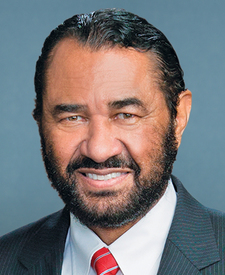
Legislative Progress
In CommitteeMr. Green of Texas introduced the following bill; which was …
Referred to the House Committee on Financial Services.
Introduced in House
Stakeholder Effects
cui bono?How this legislation distributes effects. Mention counts reflect frequency, not effect magnitude.
Tenants in federally assisted rental housing
Owners of federally assisted rental housing subject to condemnation penalties
Bill Structure & Actor Mappings
Who is "The Secretary" in each section?
We use a combination of our own taxonomy and classification in addition to large language models to assess meaning and potential beneficiaries. High confidence means strong textual evidence. Always verify with the original bill text.
Learn more about our methodology