Mens Rea Reform Act of 2025
Summary
What This Bill Does
This bill amends chapter 1 of title 18 to create a default state-of-mind rule for federal crimes and incorporated regulatory offenses. A covered offense is any offense in a federal statute, federal regulation, or incorporated state or foreign law that can be punished by imprisonment, a maximum criminal fine of at least $2,500, or both. The bill excludes military offenses in chapters 47 and 47A of title 10 and Assimilative Crimes Act offenses under section 13(a) of title 18.
For covered offenses, prosecutors would have to prove beyond a reasonable doubt the state of mind specified in the offense text for elements where Congress supplied one. For any element without a specified state of mind, prosecutors would have to prove the defendant acted knowingly. If a statute states a mens rea but does not identify which elements it modifies, the bill applies that state of mind to all elements unless a contrary purpose plainly appears. The bill defines knowingly, willfully, covered offense, and state of mind, and it says the mere absence of mens rea wording is not enough to show Congress intended no state-of-mind requirement.
The bill preserves exceptions for elements where Congress clearly chose no mens rea, jurisdiction and venue elements, and situations where the new default rule would lower an existing mens rea requirement from Supreme Court precedent, another federal law, or a regulation. It applies to future covered offenses and to some pending or earlier conduct only when doing so would not create retroactive punishment, increase punishment, remove an existing defense, or disrupt cases that have already reached trial or sentencing. Later laws override this rule only if they specifically refer to it and explicitly repeal, modify, or supersede it.
Who Benefits and How
Criminal defendants benefit because the Government must prove knowledge for otherwise silent elements instead of relying on strict-liability or ambiguous readings. Defense attorneys benefit from a statutory argument that mens rea applies across offense elements unless Congress clearly says otherwise. Individuals and businesses facing regulatory criminal charges benefit because incorporated regulations and qualifying regulatory offenses are included in the default rule. Federal judges benefit from a uniform interpretive rule for ambiguous criminal statutes. Civil liberties advocates benefit from a stronger safeguard against punishment for conduct where the defendant lacked culpable awareness.
Who Bears the Burden and How
Federal prosecutors must prove an additional knowingly element for covered offense elements that lack an express mens rea. DOJ trial attorneys must update charging decisions, jury instructions, plea negotiations, and appellate arguments around the new default rule. Federal regulatory enforcement offices must account for higher criminal proof burdens when referring regulatory violations for prosecution. Congressional drafters must expressly state when later laws are meant to override the default rule. Federal courts must resolve disputes over whether an element falls within the jurisdiction, venue, strict-liability, or higher-mens-rea exceptions.
Key Provisions
- Defines covered offenses to include federal statutory and regulatory crimes punishable by imprisonment, a fine of at least $2,500, or both, while excluding specified military and assimilative-crimes offenses.
- Requires the Government to prove the stated mens rea for elements with an express state-of-mind term and knowingly for covered-offense elements without one.
- Provides that an offense-wide mens rea applies to all elements unless a contrary purpose plainly appears.
- Preserves exceptions for express no-mens-rea choices, jurisdiction, venue, and existing higher mental-culpability requirements.
- Applies the new rule to future offenses and limited pending matters while protecting against retroactive punishment, increased punishment, loss of existing defenses, and disruption of trials or sentencings already underway.
- Requires later laws to specifically refer to the new title 18 section before they can repeal, modify, or supersede it.
Evidence Chain:
This summary is generated from the full bill text using AI analysis. Expand "Detailed Analysis" below for identified beneficiaries/burden bearers with clause-level evidence links.
At a Glance
What This Bill Does
Creates a default state-of-mind rule for covered federal criminal offenses by requiring the Government to prove the stated mens rea for specified elements and knowingly for elements without a mens rea, with exceptions for jurisdiction, venue, explicit strict-liability choices, military-law offenses, and retroactivity limits.
Key Policy Areas
Criminal Justice, Federal Courts, Regulatory Enforcement
Primary Purpose
Creates a default state-of-mind rule for covered federal criminal offenses by requiring the Government to prove the stated mens rea for specified elements and knowingly for elements without a mens rea, with exceptions for jurisdiction, venue, explicit strict-liability choices, military-law offenses, and retroactivity limits.
Policy Domains
House resolution provisions
Identified Gains
- Criminal defendants
- Defense attorneys
- Businesses facing regulatory criminal charges
- Federal judges
- Civil liberties advocates
Identified Costs
- Federal prosecutors
- DOJ trial attorneys
- Federal regulatory enforcement offices
- Congressional drafters
- Federal courts
Sponsors

Legislative Progress
ReportedOrdered to be Reported in the Nature of a Substitute …
Committee Consideration and Mark-up Session Held
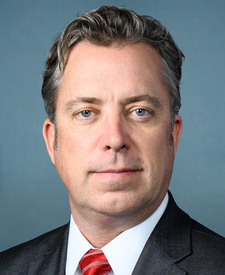
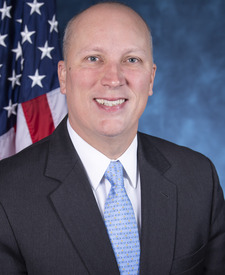
Mr. Biggs of Arizona (for himself and Mr. Ogles) introduced …
Referred to the House Committee on the Judiciary.
Introduced in House
Stakeholder Effects
cui bono?How this legislation distributes effects. Mention counts reflect frequency, not effect magnitude.
Criminal defendants, DOJ trial attorneys, Federal prosecutors
Positive-direction: Criminal defendants
Negative-direction: DOJ trial attorneys, Federal prosecutors
Businesses facing regulatory criminal charges, Federal regulatory enforcement offices
Positive-direction: Businesses facing regulatory criminal charges
Negative-direction: Federal regulatory enforcement offices
Bill Structure & Actor Mappings
Who is "The Secretary" in each section?
- "courts"
- → Federal courts
- "government"
- → Federal prosecutors
- "covered_offense"
- → Covered federal criminal offense
Key Definitions
Terms defined in this bill
Awareness of the conduct nature or attendant circumstances, or practical certainty that conduct will cause the result.
Acting with knowledge that the conduct was unlawful and, where relevant, with knowledge and conscious object regarding the element's nature, circumstances, object, or result.
A qualifying offense in federal law, federal regulations, or incorporated state or foreign law punishable by imprisonment, a maximum criminal fine of at least $2,500, or both, excluding specified military-law and assimilative-crimes offenses.
We use a combination of our own taxonomy and classification in addition to large language models to assess meaning and potential beneficiaries. High confidence means strong textual evidence. Always verify with the original bill text.
Learn more about our methodology