UNtaxed Act
Summary
What This Bill Does
The UNtaxed Act restricts international tax and carbon-fee authority as applied to U.S. citizens and companies. It provides that no tax, tariff, fee, or similar penalty may be levied on United States citizens or United States companies by the United Nations, any UN organization, specialized agency, commission, or other formally affiliated UN body unless the levy is imposed under an agreement that is in effect for the United States and the Senate has provided advice and consent to ratification. It also says no funds are authorized to be appropriated or otherwise made available for U.S. assessed or voluntary contributions to the United Nations or UN-affiliated bodies if those funds would be used to impose a global carbon tax, or for implementation or enforcement of such a tax. The bill defines global carbon tax as a tax imposed under a global fuel regime that requires vessel owners or operators to reduce vessel greenhouse gas emissions and imposes set-cost taxes based on emissions levels.
Who Benefits and How
United States citizens benefit because UN-affiliated taxes, tariffs, fees, or penalties could not apply to them without Senate-ratified U.S. agreement authority. United States companies benefit because the same Senate-ratification condition protects them from UN-affiliated levies. Vessel owners and operators subject to global fuel regimes benefit if U.S. funding and recognition of global carbon taxes are constrained. Senators benefit institutionally because the bill makes advice and consent a condition for UN-affiliated levies on U.S. persons or companies.
Who Bears the Burden and How
United Nations bodies and affiliated agencies lose a path to impose taxes, tariffs, fees, or penalties on U.S. citizens or companies absent a Senate-ratified agreement. U.S. agencies managing UN contributions must ensure assessed or voluntary contributions are not used to impose, implement, or enforce a global carbon tax. International climate policy programs built around global vessel fuel taxes may lose U.S. financial support.
Key Provisions
- Prohibits UN-affiliated taxes, tariffs, fees, or penalties on U.S. citizens or companies unless imposed under a Senate-ratified agreement in effect for the United States.
- Prohibits U.S. assessed or voluntary contributions to the United Nations or UN-affiliated bodies from being used to impose a global carbon tax.
- Blocks U.S. funds for implementation or enforcement of a global carbon tax.
- Defines global carbon tax as a tax under a global fuel regime tied to vessel greenhouse gas emission reductions and set-cost emissions charges.
Evidence Chain:
This summary is generated from the full bill text using AI analysis. Expand "Detailed Analysis" below for identified beneficiaries/burden bearers with clause-level evidence links.
At a Glance
What This Bill Does
Bars the United Nations and affiliated bodies from levying taxes, tariffs, fees, or similar penalties on United States citizens or companies unless ratified by the Senate, and blocks U.S. funds from supporting global carbon taxes or their implementation and enforcement.
Key Policy Areas
Foreign Affairs, Tax, Climate Policy
Primary Purpose
Bars the United Nations and affiliated bodies from levying taxes, tariffs, fees, or similar penalties on United States citizens or companies unless ratified by the Senate, and blocks U.S. funds from supporting global carbon taxes or their implementation and enforcement.
Policy Domains
Substantive provisions
Identified Gains
- United States citizens
- United States companies
- Vessel owners
- Vessel operators
- United States Senators
Identified Costs
- United Nations bodies
- UN-affiliated agencies
- U.S. agencies managing UN contributions
- International maritime carbon tax programs
Sponsors


Legislative Progress
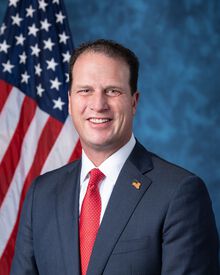
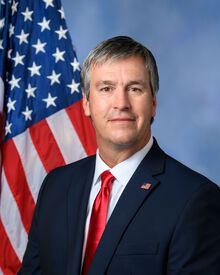
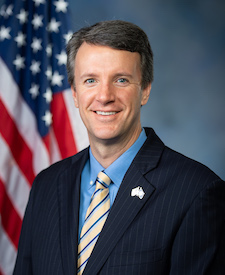
In CommitteeMr. Pfluger (for himself, Mr. Cline, Ms. Hageman, Mr. Williams …
Referred to the Committee on Foreign Affairs, and in addition …
Introduced in House
Stakeholder Effects
cui bono?How this legislation distributes effects. Mention counts reflect frequency, not effect magnitude.
United Nations-affiliated bodies seeking to impose such levies, United Nations-affiliated bodies that might otherwise receive U.S. support for a global carbon tax
United States citizens and companies shielded from unauthorized U.N.-linked levies
Bill Structure & Actor Mappings
Who is "The Secretary" in each section?
We use a combination of our own taxonomy and classification in addition to large language models to assess meaning and potential beneficiaries. High confidence means strong textual evidence. Always verify with the original bill text.
Learn more about our methodology