To amend the Controlled Substances Act with respect to the registration of opioid treatment programs to increase stakeholder input from relevant communities and to ensure such programs are treating patients in need, and for other purposes.
Analysis under review: This bill has generated analysis that may be too generic or incomplete. Clause-level evidence remains available below.
Summary
What This Bill Does
The Harm Reduction Through Community Engagement Act of 2025 creates new requirements for opioid treatment programs (methadone clinics and similar facilities) that want to register with the federal government. Before being approved, these programs must now demonstrate they will engage with local communities and consider neighborhood impacts. The bill aims to balance access to addiction treatment with quality-of-life concerns raised by communities where these facilities are located.
Who Benefits and How
Communities near opioid treatment facilities benefit from mandatory community engagement requirements. Treatment programs must now establish community advisory boards, develop neighborhood engagement plans, create procedures to address quality-of-life issues (like loitering, drug paraphernalia, and open drug use), and designate a community liaison to work with local officials and organizations.
Patients seeking addiction treatment benefit from requirements that programs promote telehealth options and track treatment outcomes, potentially improving care quality and reducing the stigma of in-person visits.
Local governments and elected officials gain structured input through required community outreach, notification processes, and annual federal reports on treatment program performance.
Who Bears the Burden and How
Opioid treatment program operators face significant new administrative and compliance burdens. They must: conduct community outreach, develop neighborhood engagement plans, establish community advisory boards, create community relations plans, work with local CRM systems to track complaints, report treatment data to HHS, and ensure facilities are not within half a mile of schools, daycares, playgrounds, or other treatment facilities.
The Department of Health and Human Services must evaluate these new requirements during registration, issue annual reports to Congress, and provide guidance on community engagement best practices.
Patients in some areas may face reduced access to treatment if the half-mile buffer zone requirements prevent new facilities from opening in underserved areas, or if administrative burdens discourage providers from offering services.
Key Provisions
- Location restrictions: Treatment programs cannot operate within half a mile of daycares, schools, playgrounds, learning centers, or other drug treatment facilities (including supervised injection sites)
- Community advisory boards: Programs must establish advisory boards with community stakeholders to address neighborhood concerns
- Telehealth promotion: Programs must actively promote telehealth to minimize patients physically appearing for treatment
- Community liaison requirement: Each program must designate a staff member responsible for relationships with local officials, law enforcement, and community organizations
- Annual congressional reporting: HHS must submit yearly reports on community engagement, treatment outcomes, and policy recommendations
Evidence Chain:
This summary is generated from the full bill text using AI analysis. Expand "Detailed Analysis" below for identified beneficiaries/burden bearers.
At a Glance
What This Bill Does
The bill aims to amend the Controlled Substances Act regarding opioid treatment program registration, emphasizing community engagement and ensuring programs cater to patients in need.
Key Policy Areas
Healthcare
Primary Purpose
The bill aims to amend the Controlled Substances Act regarding opioid treatment program registration, emphasizing community engagement and ensuring programs cater to patients in need.
Policy Domains
Legislative Progress
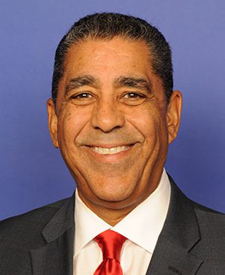
IntroducedMr. Espaillat introduced the following bill; which was referred to …
Stakeholder Effects
cui bono?How this legislation distributes effects. Mention counts reflect frequency, not effect magnitude.
Bill Structure & Actor Mappings
Who is "The Secretary" in each section?
- "the_secretary"
- → Secretary of Health and Human Services (HHS)
- "the_administrator"
- → Administrator of the Drug Enforcement Administration (DEA)
We use a combination of our own taxonomy and classification in addition to large language models to assess meaning and potential beneficiaries. High confidence means strong textual evidence. Always verify with the original bill text.
Learn more about our methodology