Shutdown Student Loans for Feds Act
Summary
What This Bill Does
The Shutdown Student Loans for Feds Act creates borrower relief for federal workers and certain agency-support contractors during prolonged government shutdowns. For fiscal year 2026 and later fiscal years, if an agency faces an appropriations lapse lasting at least 14 days, the Department of Education must suspend Direct Loan payments owed by covered individuals. Covered individuals include agency employees whether they are excepted, emergency, or furloughed during the lapse, and also contractors who ordinarily support covered employees but are not providing services during the lapse. People who continue receiving basic pay during the lapse are excluded. During the suspension, interest does not accrue, each suspended month counts as though the borrower made a qualifying payment for Direct Loan forgiveness if the borrower otherwise qualifies, and Education must treat the loan as regularly paid for credit reporting and debt collection purposes.
Who Benefits and How
Unpaid federal employees with Direct Loans benefit because they do not owe monthly payments or accrue interest while their agency remains unfunded. Unpaid agency support contractors benefit because the relief reaches contractors who normally support covered federal employees and lose work during the lapse. Public Service Loan Forgiveness and other Direct Loan forgiveness borrowers benefit because suspended months still count when they otherwise meet forgiveness requirements. Borrowers' credit records benefit because Education must treat the loans as regularly paid and halt debt collection treatment during the suspension.
Who Bears the Burden and How
Department of Education loan servicing staff must identify covered shutdown borrowers, pause payments, suppress interest, credit months toward forgiveness, and coordinate credit reporting. Federal student loan servicers must adjust billing, account status, forgiveness tracking, credit reporting, and debt collection workflows during qualifying lapses. Federal taxpayers bear the cost of foregone interest and delayed collections during shutdown periods. Agency payroll and contractor-status records may need to be used to determine who is covered and who continued receiving basic pay.
Key Provisions
- Applies in fiscal year 2026 and later when an agency appropriations lapse lasts at least 14 days.
- Covers unpaid agency employees regardless of excepted, emergency, or furlough status, plus certain unpaid contractors who ordinarily support covered employees.
- Suspends Direct Loan payments owed by covered individuals for the duration of the lapse.
- Stops interest accrual during the suspension period.
- Counts each suspended month as a qualifying payment month for Direct Loan forgiveness when the borrower otherwise qualifies.
- Requires Education to treat affected loans as regularly paid for credit reporting and debt collection.
Evidence Chain:
This summary is generated from the full bill text using AI analysis. Expand "Detailed Analysis" below for identified beneficiaries/burden bearers with clause-level evidence links.
At a Glance
What This Bill Does
Suspends Direct Loan payments, interest accrual, negative credit treatment, and debt collection for unpaid federal employees and certain unpaid agency support contractors during appropriations lapses lasting at least 14 days, while counting those months toward qualifying loan forgiveness.
Key Policy Areas
Student Loans, Federal Workforce, Appropriations
Primary Purpose
Suspends Direct Loan payments, interest accrual, negative credit treatment, and debt collection for unpaid federal employees and certain unpaid agency support contractors during appropriations lapses lasting at least 14 days, while counting those months toward qualifying loan forgiveness.
Policy Domains
Substantive provisions
Identified Gains
- Unpaid federal employees with Direct Loans
- Unpaid agency support contractors
- Direct Loan forgiveness borrowers
- Borrowers with credit reporting risk
Identified Costs
- Department of Education loan servicing staff
- Federal student loan servicers
- Agency payroll offices
- Federal taxpayers
Sponsors

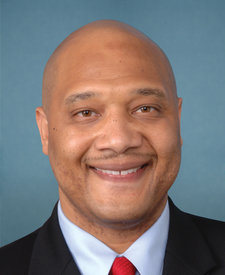
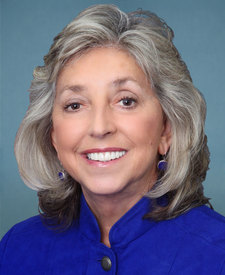
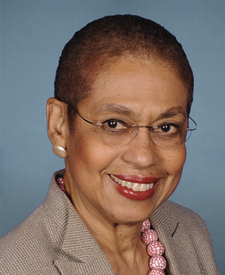

Legislative Progress
In CommitteeMs. Elfreth (for herself, Mr. Carson, Mr. Figures, Mr. Ivey, …
Referred to the House Committee on Education and Workforce.
Introduced in House
Stakeholder Effects
cui bono?How this legislation distributes effects. Mention counts reflect frequency, not effect magnitude.
Direct Loan forgiveness borrowers, Federal student loan servicers
Positive-direction: Direct Loan forgiveness borrowers
Negative-direction: Federal student loan servicers
Unpaid federal employees with Direct Loans
Bill Structure & Actor Mappings
Who is "The Secretary" in each section?
Key Definitions
Terms defined in this bill
An unpaid agency employee during an appropriations lapse or a contractor who ordinarily supports covered agency employees and is not providing services during the lapse, excluding individuals receiving basic pay.
We use a combination of our own taxonomy and classification in addition to large language models to assess meaning and potential beneficiaries. High confidence means strong textual evidence. Always verify with the original bill text.
Learn more about our methodology