Leveraging Aerial Systems for Stewardship Operations (LASSO) Act
Summary
What This Bill Does
The LASSO Act amends the Wild Free-Roaming Horses and Burros Act to create a small annual drone pilot grant program. For each fiscal year 2026 through 2030, the Secretary must allocate $100,000 from existing funds used to carry out the Act for grants testing whether unmanned aerial systems can successfully and humanely gather and manage wild horses and burros. Eligible grant recipients include organizations and institutions of higher learning with demonstrated drone-technology expertise and a proven commitment to research that furthers equine welfare. Grants can also support drone pilot projects for humane fertility-control application and related herd-health efforts. Results from funded pilots must be made available to Congress and the public within 180 days after each study ends, and recipients must report to the House Agriculture Committee and USDA on potential drone uses for ranching, animal care, and environmental stewardship.
Who Benefits and How
Wild horse and burro management programs benefit because the bill funds tests of lower-contact gathering and management tools. Equine welfare researchers benefit because grant eligibility favors organizations with a commitment to equine-welfare research. Universities with drone expertise benefit because institutions of higher learning can receive pilot grants. Public land managers benefit if drones prove useful for fertility control, herd health, and stewardship operations.
Who Bears the Burden and How
Interior wild horse program staff must allocate $100,000 annually and administer grant selections from fiscal years 2026 through 2030. Grant recipients must complete studies and publish results to Congress and the public within 180 days after conclusion. House Agriculture Committee staff and USDA staff must review reports on drone uses for ranching, animal care, and environmental stewardship. Federal taxpayers fund the pilot grants through money otherwise available for wild horse and burro management.
Key Provisions
- Allocates $100,000 per fiscal year from 2026 through 2030 for unmanned aerial system pilot grants.
- Requires pilots to test humane gathering and management of wild horses and burros.
- Authorizes pilot projects for humane fertility control and herd-health work.
- Requires grant recipients to publish study results to Congress and the public within 180 days.
- Requires reports on potential drone uses for ranching, animal care, and environmental stewardship.
Evidence Chain:
This summary is generated from the full bill text using AI analysis. Expand "Detailed Analysis" below for identified beneficiaries/burden bearers with clause-level evidence links.
At a Glance
What This Bill Does
Allocates $100,000 per year from fiscal years 2026 through 2030 for grants testing whether unmanned aerial systems can humanely gather, manage, and support fertility-control and herd-health work for wild horses and burros.
Key Policy Areas
Public Lands, Animal Welfare, Technology
Primary Purpose
Allocates $100,000 per year from fiscal years 2026 through 2030 for grants testing whether unmanned aerial systems can humanely gather, manage, and support fertility-control and herd-health work for wild horses and burros.
Policy Domains
Substantive provisions
Identified Gains
- Wild horse management programs
- Burro management programs
- Equine welfare researchers
- Universities with drone expertise
- Public land managers
Identified Costs
- Interior wild horse program staff
- Grant recipient researchers
- House Agriculture Committee staff
- USDA report reviewers
- Federal taxpayers
Sponsors

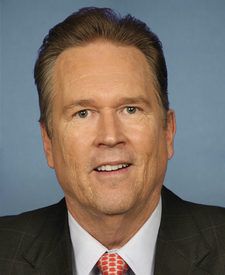
Legislative Progress
In CommitteeMr. Vindman (for himself and Mr. Buchanan) introduced the following …
Referred to the House Committee on Natural Resources.
Introduced in House
Stakeholder Effects
cui bono?How this legislation distributes effects. Mention counts reflect frequency, not effect magnitude.
Organizations with drone expertise receiving the pilot grants
Bill Structure & Actor Mappings
Who is "The Secretary" in each section?
We use a combination of our own taxonomy and classification in addition to large language models to assess meaning and potential beneficiaries. High confidence means strong textual evidence. Always verify with the original bill text.
Learn more about our methodology