Dads Matter Act of 2025
Summary
What This Bill Does
The Dads Matter Act directs HHS to treat father engagement as a maternal and infant health intervention. Congress finds that fathers' participation in prenatal appointments, childbirth, postpartum care, breastfeeding support, safe sleep education, and infant bonding can improve maternal health, reduce postpartum mood and anxiety disorders, reduce preterm birth risk, improve birthweight, and support child development. Within two years, HHS must conduct a public awareness campaign on father inclusion during pregnancy, childbirth, and postpartum, including information on fathers' roles in pregnancy, parenting, maternal behavioral health, prenatal and postpartum appointments, paternal postpartum depression, breastfeeding, skin-to-skin contact, infant crying, shaken baby syndrome, and pregnancy-related complications such as preeclampsia, peripartum cardiomyopathy, preterm labor, perinatal mood and anxiety disorders, pregnancy loss, stillbirth, high blood pressure, infections, gestational diabetes, placental abruption, ectopic pregnancy, and uterine rupture. Within one year, HHS must issue guidance to States on encouraging providers of maternity care and health coverage to train pediatricians, obstetricians, gynecologists, and other practitioners on father inclusion. GAO must report within six years on effectiveness.
Who Benefits and How
Fathers of newborns benefit because HHS messaging and State guidance validate their role in pregnancy, birth, postpartum care, and early childhood development. Mothers receiving maternity care benefit if practitioners and providers better include fathers in recognizing warning signs and supporting appointments. Infants benefit from education around safe sleep, breastfeeding support, skin-to-skin contact, crying, and shaken baby syndrome prevention. Maternity care providers benefit from federal guidance on training clinicians to include fathers constructively. Managed care entities benefit from clearer HHS guidance on coverage-provider roles in father-engagement training.
Who Bears the Burden and How
HHS public health staff must design and run the national awareness campaign within two years. State health agencies must evaluate how to encourage or incentivize maternity-care and coverage providers to train practitioners. Hospitals, health systems, midwifery practices, birth centers, community health centers, and other maternity providers may need to update training materials. Pediatricians, obstetricians, gynecologists, and other health care practitioners may need to incorporate father-focused counseling and screening referrals. GAO health program auditors must study and report on the Act's effectiveness within six years.
Key Provisions
- Requires HHS to carry out a public awareness campaign on father inclusion in pregnancy, childbirth, and postpartum health.
- Requires campaign materials on paternal support, maternal warning signs, breastfeeding, safe sleep, infant crying, skin-to-skin contact, and paternal postpartum depression.
- Directs HHS to issue State guidance within one year on encouraging maternity-care and coverage providers to train practitioners.
- Requires guidance to cover peer father support, what to expect before and after birth, advocacy in care, vaccines, fetal movement, maternal mental health, baby care, bonding, and early development.
- Requires GAO to study and report on the Act's effectiveness within six years.
Evidence Chain:
This summary is generated from the full bill text using AI analysis. Expand "Detailed Analysis" below for identified beneficiaries/burden bearers with clause-level evidence links.
At a Glance
What This Bill Does
Requires HHS to run a father-inclusion public awareness campaign, issue State guidance encouraging maternity-care and coverage providers to train practitioners on father engagement, and requires GAO to study the Act's effectiveness.
Key Policy Areas
Maternal Health, Public Health, Families
Primary Purpose
Requires HHS to run a father-inclusion public awareness campaign, issue State guidance encouraging maternity-care and coverage providers to train practitioners on father engagement, and requires GAO to study the Act's effectiveness.
Policy Domains
Substantive provisions
Identified Gains
- Fathers of newborns
- Mothers receiving maternity care
- Infant patients
- Maternity care providers
- Managed care entities
Identified Costs
- HHS public health staff
- State health agencies
- Hospital maternity departments
- Pediatricians
- Obstetricians
- GAO health program auditors
Sponsors


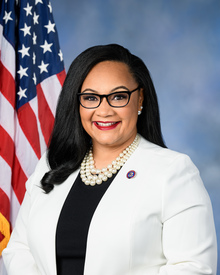
Legislative Progress
In CommitteeMr. Vindman (for himself and Mr. Ciscomani) introduced the following …
Referred to the House Committee on Energy and Commerce.
Introduced in House
Stakeholder Effects
cui bono?How this legislation distributes effects. Mention counts reflect frequency, not effect magnitude.
Department of Health and Human Services, Government Accountability Office
Bill Structure & Actor Mappings
Who is "The Secretary" in each section?
We use a combination of our own taxonomy and classification in addition to large language models to assess meaning and potential beneficiaries. High confidence means strong textual evidence. Always verify with the original bill text.
Learn more about our methodology