Child Care Workforce and Facilities Act of 2025
Summary
What This Bill Does
The Child Care Workforce and Facilities Act creates competitive HHS grants for States and Tribal entities to increase access to quality child care in child care deserts. A child care desert is either a census tract with more than three children under age five for every licensed or registered child care slot, or another community the State or Tribal entity determines has a low supply of quality, affordable child care. HHS, after consulting Education and Labor, may award five-year child care workforce grants to help individuals obtain stackable and portable child care or early childhood credentials, outreach to people without postsecondary degrees, pay tuition, fees, textbooks, equipment, curriculum development, referral-organization outreach, technical assistance, and credentialed training. It may also award child care facility grants that States or Tribal entities can use or disburse, including through loans, for construction, expansion, or renovation of child care centers and licensed family child care homes. Applications must address affordability, nontraditional hours, provider retention or compensation, and coordination with Perkins, WIOA, veterans education benefits, and Pell Grants. The federal share is 50 percent, administrative costs are capped at 10 percent, HHS must evaluate workforce and facility outcomes, and Congress authorizes $100 million for fiscal years 2025 through 2031.
Who Benefits and How
States administering child care grants benefit because they can receive competitive federal funds for workforce and facility projects in child care deserts. Tribal entities benefit because Tribal areas are eligible for the same workforce and facility grant pathways. Child care providers in deserts benefit from facility construction, expansion, renovation, training, outreach, and credential support. Prospective child care workers benefit because grants can defray tuition, fees, books, equipment, and training costs. Families needing nontraditional-hour child care benefit if grant projects increase affordable slots in underserved areas.
Who Bears the Burden and How
HHS child care grant administrators must run competitions, consult Education and Labor, monitor applications, and evaluate outcomes. State lead agencies must coordinate with Perkins, WIOA, veterans benefits, Pell Grants, and other funds before using grant assistance. Tribal lead agencies must document plans, match the 50 percent nonfederal share, and keep administrative costs under 10 percent. Grant recipients must support federal evaluation and reporting on workforce credentials, provider retention, compensation, facilities, and child care deserts. Federal taxpayers fund the $100 million authorization over fiscal years 2025 through 2031.
Key Provisions
- Defines child care deserts using a three-to-one under-age-five child-to-slot ratio or a State or Tribal low-supply determination.
- Authorizes competitive five-year workforce grants for stackable and portable child care or early childhood education credentials.
- Authorizes facility grants, including loans, for construction, expansion, or renovation of child care centers and licensed family child care homes.
- Requires applications to address affordability, nontraditional hours, provider retention, compensation, and coordination with workforce and education programs.
- Limits administrative costs to 10 percent and sets a 50 percent federal share.
- Authorizes $100 million for fiscal years 2025 through 2031.
Evidence Chain:
This summary is generated from the full bill text using AI analysis. Expand "Detailed Analysis" below for identified beneficiaries/burden bearers with clause-level evidence links.
At a Glance
What This Bill Does
Authorizes competitive HHS grants to States and Tribal entities for up to five years to expand child care workforces and facilities in child care deserts, with a 50 percent federal share and $100 million authorized for fiscal years 2025 through 2031.
Key Policy Areas
Child Care, Workforce Development, Tribal Government
Primary Purpose
Authorizes competitive HHS grants to States and Tribal entities for up to five years to expand child care workforces and facilities in child care deserts, with a 50 percent federal share and $100 million authorized for fiscal years 2025 through 2031.
Policy Domains
Resolution provisions
Identified Gains
- States administering child care grants
- Tribal entities
- Child care providers in deserts
- Prospective child care workers
- Families needing nontraditional-hour child care
Identified Costs
- HHS child care grant administrators
- State lead agencies
- Tribal lead agencies
- Grant recipients
- Federal taxpayers
Sponsors


Legislative Progress
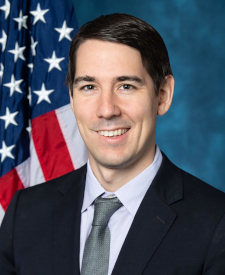
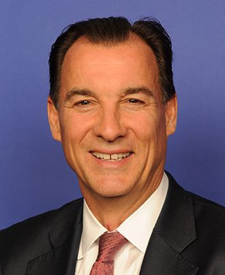
In CommitteeMr. Harder of California (for himself and Mr. Fitzpatrick) introduced …
Referred to the House Committee on Education and Workforce.
Introduced in House
Stakeholder Effects
cui bono?How this legislation distributes effects. Mention counts reflect frequency, not effect magnitude.
HHS child care grant administrators, Tribal entities
Positive-direction: Tribal entities
Negative-direction: HHS child care grant administrators
States administering child care grants
Families needing nontraditional-hour child care
Bill Structure & Actor Mappings
Who is "The Secretary" in each section?
We use a combination of our own taxonomy and classification in addition to large language models to assess meaning and potential beneficiaries. High confidence means strong textual evidence. Always verify with the original bill text.
Learn more about our methodology