MAGA Act
Summary
What This Bill Does
The MAGA Act pairs worker pay continuity with salary pressure on top political officials during shutdowns. During any discretionary appropriations lapse beginning after enactment, it appropriates such sums as necessary for salary and expenses of civil service and uniformed service employees, but excludes heads of Executive departments and deputy secretaries or equivalents. It then escrows Member of Congress salary attributable to shutdown days during the 119th Congress, with release when the shutdown ends or on the last day of the Congress. It applies a parallel escrow rule to the President and Vice President through OPM. Finally, it bars funds for salary and expenses of certain Executive Office of the President officers and employees during a shutdown, including Executive Schedule positions, noncareer Senior Executive Service appointees, and Schedule C confidential or policy-determining positions.
Who Benefits and How
Civil service employees benefit because the bill creates automatic salary and expense funding during covered discretionary appropriations lapses. Uniformed service members benefit because their salary and expense funding is included in the shutdown appropriation. Government accountability advocates benefit because Members of Congress and top executive officials lose immediate salary access during shutdowns. Federal agencies with regular employees benefit from clearer authority to keep paying non-excluded workers during a lapse.
Who Bears the Burden and How
Executive department heads and deputy secretaries are excluded from the worker-pay appropriation. Members of Congress bear delayed salary access because payroll administrators must escrow shutdown-day pay. The President and Vice President bear the same salary escrow through OPM. Senior Executive Office of the President officials lose salary-expense funding during shutdown periods. House, Senate, and OPM payroll administrators must calculate, escrow, withhold, remit, and release covered salary amounts.
Key Provisions
- Appropriates shutdown salary and expense funding for civil service and uniformed service employees.
- Excludes Executive department heads and deputy secretaries or equivalents from that worker-pay appropriation.
- Requires Member of Congress salary escrow during shutdown periods in the 119th Congress.
- Requires President and Vice President salary escrow during shutdown periods in their terms.
- Prohibits salary-expense funding for covered senior Executive Office of the President personnel during shutdowns.
Evidence Chain:
This summary is generated from the full bill text using AI analysis. Expand "Detailed Analysis" below for identified beneficiaries/burden bearers with clause-level evidence links.
At a Glance
What This Bill Does
Appropriates shutdown pay for civil service and uniformed service employees while excluding department heads and deputy secretaries, and withholds salaries of Members of Congress, the President, the Vice President, and senior Executive Office of the President personnel during shutdowns.
Key Policy Areas
Federal Workforce, Congress, Government Shutdowns
Primary Purpose
Appropriates shutdown pay for civil service and uniformed service employees while excluding department heads and deputy secretaries, and withholds salaries of Members of Congress, the President, the Vice President, and senior Executive Office of the President personnel during shutdowns.
Policy Domains
Resolution provisions
Identified Gains
- Civil service employees
- Uniformed service members
- Government accountability advocates
- Federal agencies with regular employees
Identified Costs
- Executive department heads
- Members of Congress
- President of the United States
- Senior Executive Office personnel
- Payroll administrators
Sponsors
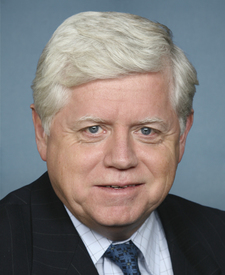
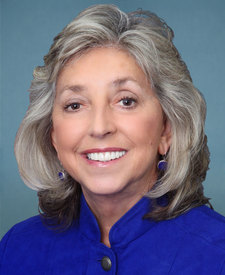
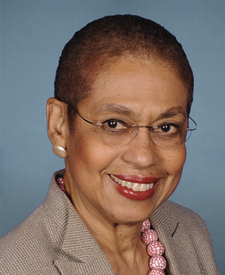

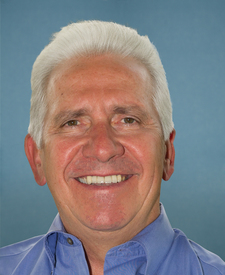
Legislative Progress
In CommitteeMr. Larson of Connecticut (for himself, Mr. Moulton, Ms. Norton, …
Referred to the Committee on Appropriations, and in addition to …
Introduced in House
Stakeholder Effects
cui bono?How this legislation distributes effects. Mention counts reflect frequency, not effect magnitude.
Executive Office payroll staff, Executive department heads, Government accountability advocates
Positive-direction: Government accountability advocates
Negative-direction: Executive Office payroll staff, Executive department heads, OPM payroll staff, President of the United States, Senior Executive Office personnel, Vice President of the United States
House payroll administrators, Members of Congress, Senate payroll administrators
Bill Structure & Actor Mappings
Who is "The Secretary" in each section?
We use a combination of our own taxonomy and classification in addition to large language models to assess meaning and potential beneficiaries. High confidence means strong textual evidence. Always verify with the original bill text.
Learn more about our methodology