Recruiting Families Using Data Act of 2025
Summary
What This Bill Does
The Recruiting Families Using Data Act amends part B of title IV of the Social Security Act. State plans must include a family partnership plan for identifying, recruiting, screening, licensing, supporting, and retaining foster and adoptive families. The plan must be developed in consultation with birth families, kinship families, foster families, adoptive families, community-based service providers, technical assistance providers, and youth with lived experience in foster care and adoption. It must describe how the state will identify and support relatives and other child-connected placement resources; create child-specific recruitment plans for every child in or entering foster care who needs a foster or adoptive family; authentically engage children and youth in recruitment; use data to set goals, assess needs, measure progress, reduce unnecessary congregate care, increase permanency, improve placement stability, increase kinship placements, recruit and retain families for teens, sibling groups, and other special populations, and align foster and adoptive family composition with children's needs; and support foster family advisory boards.
States must annually collect and report actual foster family capacity and congregate care utilization, including the number, demographics, and characteristics of licensed and prospective adoptive families, unused or underutilized families and reasons, and children in in-state or out-of-state congregate care. Plans must annually summarize feedback from foster parents, adoptive parents, and youth on licensure, training, support, why parents stop fostering, why adoptions disrupt or dissolve, and why families struggle. Plans also must analyze barriers to recruiting families reflecting the racial and ethnic background of children in foster care and efforts to overcome those barriers. The requirements take effect October 1, 2026, with extra time for states needing legislation. A separate provision requires the annual child welfare outcomes report to Congress, beginning with fiscal year 2025, to include state-by-state foster and adoptive family data and barriers.
Who Benefits and How
Children in foster care, children entering foster care, teens in foster care, sibling groups, children needing kinship placements, youth with lived foster-care experience, birth families, kinship caregivers, foster parents, adoptive parents, legal guardianship families, community-based service providers, and child welfare advocates benefit because states must use data and stakeholder feedback to recruit, support, and retain families matched to children's needs.
Who Bears the Burden and How
State child welfare agencies, HHS Administration for Children and Families staff, state data teams, foster family licensing staff, congregate care utilization analysts, foster family advisory boards, technical assistance providers, and congressional reporting staff bear compliance burdens because they must develop plans, consult stakeholders, collect annual capacity data, survey families and youth, analyze racial and ethnic recruitment barriers, update plans, and add new state-by-state reporting to federal outcomes reports.
Key Provisions
- Requires state child welfare plans to include family partnership plans for foster and adoptive family recruitment, support, and retention.
- Requires consultation with birth, kinship, foster, and adoptive families, service providers, technical assistance providers, and youth with lived experience.
- Requires child-specific recruitment plans, youth engagement, data-driven goals, reduced congregate care, improved permanency, improved placement stability, and increased kinship placements.
- Requires annual reporting on foster family capacity, congregate care utilization, unused licensed families, and children in in-state or out-of-state congregate care.
- Requires annual feedback summaries from foster parents, adoptive parents, and youth on licensure, training, support, disruption, dissolution, and family struggles.
- Requires analysis of barriers to recruiting families reflecting the racial and ethnic background of children in foster care.
- Requires federal child welfare outcomes reports to include state-by-state foster and adoptive family data beginning with fiscal year 2025.
Evidence Chain:
This summary is generated from the full bill text using AI analysis. Expand "Detailed Analysis" below for identified beneficiaries/burden bearers with clause-level evidence links.
At a Glance
What This Bill Does
Requires state child welfare plans to include data-driven family partnership plans for identifying, recruiting, licensing, supporting, and retaining foster and adoptive families, and requires annual federal child-welfare reports to include state-by-state data on foster and adoptive family capacity, barriers, utilization, and racial and ethnic alignment with children in foster care.
Key Policy Areas
Child Welfare, Foster Care, Adoption, Social Services
Primary Purpose
Requires state child welfare plans to include data-driven family partnership plans for identifying, recruiting, licensing, supporting, and retaining foster and adoptive families, and requires annual federal child-welfare reports to include state-by-state data on foster and adoptive family capacity, barriers, utilization, and racial and ethnic alignment with children in foster care.
Policy Domains
Substantive provisions
Identified Gains
- Children in foster care
- Children entering foster care
- Teens in foster care
- Sibling groups
- Children needing kinship placements
- Youth with lived foster-care experience
- Birth families
- Kinship caregivers
- Foster parents
- Adoptive parents
- Legal guardianship families
- Community-based service providers
- Child welfare advocates
Identified Costs
- State child welfare agencies
- HHS Administration for Children and Families staff
- State data teams
- Foster family licensing staff
- Congregate care utilization analysts
- Foster family advisory boards
- Technical assistance providers
- Congressional reporting staff
Sponsors
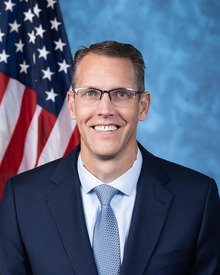
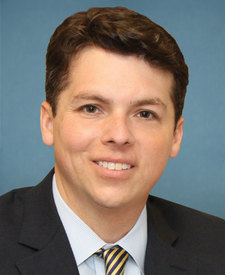

Legislative Progress
Passed HouseReceived; read twice and referred to the Committee on Finance
Passed House (inferred from eh version)
Received in the Senate and Read twice and referred to …
Motion to reconsider laid on the table Agreed to without …
On motion to suspend the rules and pass the bill …
Passed/agreed to in House: On motion to suspend the rules …
DEBATE - The House proceeded with forty minutes of debate …
Considered under suspension of the rules. (consideration: CR H962-964)
Mr. Smith (MO) moved to suspend the rules and pass …
Mr. Feenstra (for himself and Mr. Boyle of Pennsylvania) introduced …
Stakeholder Effects
cui bono?How this legislation distributes effects. Mention counts reflect frequency, not effect magnitude.
Adoptive parents, Foster parents, Kinship caregivers
Adoptive parents, Foster parents face effects in multiple directions
Children in foster care, Foster family advisory boards, Sibling groups
Positive-direction: Children in foster care, Sibling groups, Teens in foster care
Negative-direction: Foster family advisory boards
Foster family licensing staff, State child welfare agencies
Congressional child welfare committees, Department of Health and Human Services
Positive-direction: Congressional child welfare committees
Negative-direction: Department of Health and Human Services
Bill Structure & Actor Mappings
Who is "The Secretary" in each section?
- "acf"
- → Administration for Children and Families
- "hhs"
- → Department of Health and Human Services
We use a combination of our own taxonomy and classification in addition to large language models to assess meaning and potential beneficiaries. High confidence means strong textual evidence. Always verify with the original bill text.
Learn more about our methodology