To expand the authorization of voluntary Federal grazing permit retirement, provide increased flexibility for Federal grazing permittees, promote the equitable resolution or avoidance of conflicts on Federal lands managed by the Department of Agriculture or the Department of the Interior, and for other purposes.
Analysis under review: This bill has generated analysis that may be too generic or incomplete. Clause-level evidence remains available below.
Summary
What This Bill Does
The Voluntary Grazing Permit Retirement Act of 2025 creates a formal program allowing holders of federal grazing permits or leases in the 16 Western States to voluntarily waive their permits with the intention of permanently ending livestock grazing on the covered allotments. The bill caps acceptance at 100 permits per fiscal year across all 16 states and 25 per individual state.
Who Benefits and How
Conservation organizations benefit from a legal mechanism to permanently retire grazing allotments. Ranchers who wish to exit the federal grazing system gain a clear voluntary pathway. Wildlife ecosystems benefit from permanent removal of livestock pressure.
Who Bears the Burden and How
The livestock industry may face reduced access to federal grazing land. Federal agencies bear the administrative burden of processing waivers and securing retired allotments.
Key Provisions
- Voluntary waiver program for federal grazing permits with permanent retirement
- Annual cap: 100 permits nationwide, 25 per state
- First-come first-served acceptance
- Permittees forfeit range development claims
- Does not affect existing water rights
Evidence Chain:
This summary is generated from the full bill text using AI analysis. Expand "Detailed Analysis" below for identified beneficiaries/burden bearers.
At a Glance
What This Bill Does
Expands the authorization for voluntary retirement of federal grazing permits across all federal lands in the 16 Western States, permanently ending livestock grazing on allotments where permits are voluntarily waived, with a cap of 100 permits per fiscal year nationwide and 25 per state.
Key Policy Areas
Public Lands, Agriculture, Environment
Primary Purpose
Expands the authorization for voluntary retirement of federal grazing permits across all federal lands in the 16 Western States, permanently ending livestock grazing on allotments where permits are voluntarily waived, with a cap of 100 permits per fiscal year nationwide and 25 per state.
Policy Domains
Voluntary Grazing Permit Retirement
Identified Gains
Contextual inference, no direct clause citation- Conservation organizations
- Ranchers seeking to exit federal grazing
- Wildlife ecosystems
Contextual inference, no direct clause citation
Identified Costs
Contextual inference, no direct clause citation- Livestock industry
- Federal agencies
Contextual inference, no direct clause citation
Sponsors
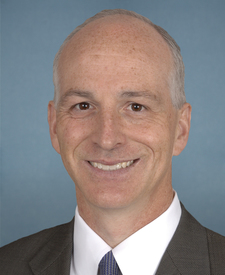

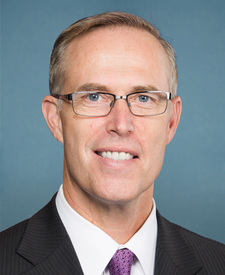
Legislative Progress
IntroducedMr. Smith of Washington (for himself, Mr. Huffman, and Ms. …
Stakeholder Effects
cui bono?How this legislation distributes effects. Mention counts reflect frequency, not effect magnitude.
Grazing permittees, Grazing permittees and lessees, Grazing permittees seeking to exit
Positive-direction: Grazing permittees seeking to exit
Negative-direction: Livestock industry (remaining permittees)
Bill Structure & Actor Mappings
Who is "The Secretary" in each section?
- "the_secretary"
- → Secretary of Agriculture or the Secretary of the Interior
Key Definitions
Terms defined in this bill
We use a combination of our own taxonomy and classification in addition to large language models to assess meaning and potential beneficiaries. High confidence means strong textual evidence. Always verify with the original bill text.
Learn more about our methodology