AI for Main Street Act
Summary
What This Bill Does
This bill amends the Small Business Act's Small Business Development Center counseling duties. It adds assistance for small business concerns evaluating artificial intelligence for business operations. SBDCs must provide information, guidance, and training on AI best practices; using AI to plan for unexpected circumstances; protecting data and intellectual property; improving cybersecurity; facilitating regulatory compliance; improving customer trust; and incorporating AI into business operations. They must also conduct outreach to small businesses regarding AI use to the extent practical.
The bill also adds a definition of artificial intelligence to the Small Business Act by cross-referencing section 5002 of the National Artificial Intelligence Initiative Act of 2020. The reported text includes a CUTGO provision stating that no additional amounts are authorized to carry out the Act or its amendments. That means SBA and SBDCs must absorb the new AI guidance and outreach duties within existing funding authority unless future appropriations provide resources separately.
Who Benefits and How
Small business owners benefit from SBDC training on how to evaluate AI tools for operations, cybersecurity, compliance, customer trust, and resilience. Small businesses adopting AI benefit from practical guidance before buying or deploying tools that could expose data or intellectual property. Small Business Development Centers benefit from a clearer statutory basis for AI counseling and outreach. AI technology providers benefit indirectly if better-informed small businesses become more comfortable adopting AI tools. SBA district offices benefit from a defined AI assistance category they can coordinate with SBDCs.
Who Bears the Burden and How
Small Business Development Center staff must add AI guidance, training, and outreach to their counseling workload. SBA program managers must update SBDC guidance, training materials, and performance expectations without a new authorization of funds. Federal taxpayers avoid a new authorization, but existing SBA resources may be stretched. Small businesses receiving advice still must evaluate vendor claims, cybersecurity risk, data protection, regulatory compliance, and customer trust issues before adopting AI. SBDC trainers must keep AI materials current as tools and risks change.
Key Provisions
- Requires SBDCs to assist small businesses in evaluating artificial intelligence for operations.
- Requires information, guidance, and training on AI best practices, resilience planning, data protection, intellectual-property protection, cybersecurity, regulatory compliance, customer trust, and operational adoption.
- Requires practical outreach to small business concerns regarding AI use.
- Adds the National Artificial Intelligence Initiative Act definition of artificial intelligence to the Small Business Act.
- Provides that no additional amounts are authorized to carry out the bill or its amendments.
Evidence Chain:
This summary is generated from the full bill text using AI analysis. Expand "Detailed Analysis" below for identified beneficiaries/burden bearers with clause-level evidence links.
At a Glance
What This Bill Does
Adds SBA Small Business Development Center counseling duties on artificial-intelligence evaluation for small business operations, including best practices, resilience planning, data and intellectual-property protection, cybersecurity, regulatory compliance, customer trust, operational adoption, outreach, and a statutory definition of artificial intelligence, while authorizing no additional funds.
Key Policy Areas
Small Business, Artificial Intelligence, Business Counseling
Primary Purpose
Adds SBA Small Business Development Center counseling duties on artificial-intelligence evaluation for small business operations, including best practices, resilience planning, data and intellectual-property protection, cybersecurity, regulatory compliance, customer trust, operational adoption, outreach, and a statutory definition of artificial intelligence, while authorizing no additional funds.
Policy Domains
House resolution provisions
Identified Gains
- Small business owners
- Small businesses adopting AI
- Small Business Development Centers
- AI technology providers
- SBA district offices
Identified Costs
- Small Business Development Center staff
- SBA program managers
- Federal taxpayers
- Small businesses receiving advice
- SBDC trainers
Sponsors
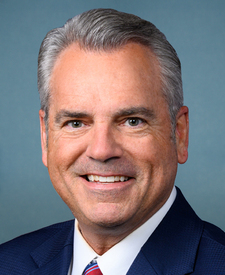

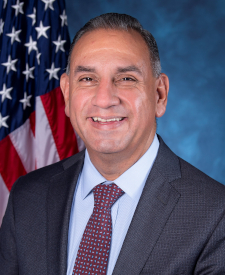
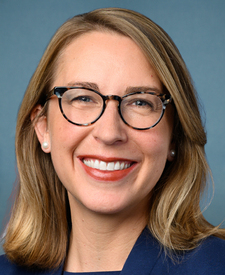
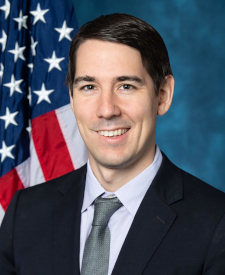
Legislative Progress
ReportedReceived; read twice and referred to the Committee on Small …
Received in the Senate and Read twice and referred to …
Motion to reconsider laid on the table Agreed to without …
Motion to reconsider laid on the table Agreed to without …
On motion to suspend the rules and pass the bill, …
Passed/agreed to in House: On motion to suspend the rules …
Considered as unfinished business. (consideration: CR H940)
DEBATE - The House proceeded with forty minutes of debate …
At the conclusion of debate, the Yeas and Nays were …
Considered under suspension of the rules. (consideration: CR H931-932)
Stakeholder Effects
cui bono?How this legislation distributes effects. Mention counts reflect frequency, not effect magnitude.
SBA program managers, Small Business Development Center staff, Small business owners
Positive-direction: Small business owners, Small businesses adopting AI
Negative-direction: SBA program managers, Small Business Development Center staff
Bill Structure & Actor Mappings
Who is "The Secretary" in each section?
- "sba"
- → Small Business Administration
- "sbdc"
- → Small Business Development Center
Key Definitions
Terms defined in this bill
The meaning given in section 5002 of the National Artificial Intelligence Initiative Act of 2020.
We use a combination of our own taxonomy and classification in addition to large language models to assess meaning and potential beneficiaries. High confidence means strong textual evidence. Always verify with the original bill text.
Learn more about our methodology