No Budget, No Pay Act
Summary
What This Bill Does
The No Budget, No Pay Act creates a pay consequence for Congress when budget and appropriations requirements are not met. During a period determined by the relevant Budget Committee and Appropriations Committee chairpersons under the bill's timing rule, no funds may be appropriated or made available from the Treasury to pay Members of Congress. The bill also says a Member may not receive pay for that period later, after the period ends. The practical effect is not a temporary escrow; it permanently denies congressional pay for covered periods when the required budget or appropriations work has not been completed.
Who Benefits and How
Federal taxpayers benefit because Member pay is withheld and not later paid for covered noncompliance periods. Budget process reform advocates benefit from a statutory incentive for Congress to complete budget and appropriations work. House Budget Committee chairpersons benefit from a formal role in determining covered no-pay periods. Senate Appropriations Committee chairpersons benefit from the same determination role for Senate-side periods.
Who Bears the Burden and How
Members of Congress bear the direct burden because they cannot receive pay for covered periods. House payroll administrators must stop Member pay when the chairpersons determine a covered period. Senate payroll administrators must apply the same no-pay rule and prevent later payment. Budget Committee staff must support determinations under the bill's timing rule.
Key Provisions
- Prohibits Treasury funds from being made available for Member pay during covered periods.
- Requires covered periods to be determined by Budget and Appropriations Committee chairpersons.
- Prohibits Members of Congress from receiving pay later for the covered period.
- Creates a permanent pay loss rather than delayed salary escrow.
Evidence Chain:
This summary is generated from the full bill text using AI analysis. Expand "Detailed Analysis" below for identified beneficiaries/burden bearers with clause-level evidence links.
At a Glance
What This Bill Does
Bars Treasury funds from being used for Member of Congress pay during periods when House or Senate Budget and Appropriations Committee chairpersons determine that required budget or appropriations work has not been completed, and prohibits later payment for that period.
Key Policy Areas
Congress, Budget Process, Member Pay
Primary Purpose
Bars Treasury funds from being used for Member of Congress pay during periods when House or Senate Budget and Appropriations Committee chairpersons determine that required budget or appropriations work has not been completed, and prohibits later payment for that period.
Policy Domains
Resolution provisions
Identified Gains
- Federal taxpayers
- Budget process reform advocates
- House Budget Committee chairpersons
- Senate Appropriations Committee chairpersons
Identified Costs
- Members of Congress
- House payroll administrators
- Senate payroll administrators
- Budget Committee staff
Sponsors




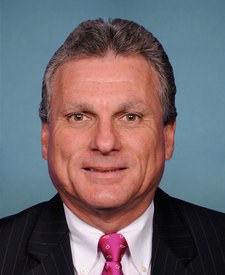
Legislative Progress
In CommitteeMr. Peters (for himself and Mr. Huizenga) introduced the following …
Referred to the House Committee on House Administration.
Introduced in House
Stakeholder Effects
cui bono?How this legislation distributes effects. Mention counts reflect frequency, not effect magnitude.
House Budget Committee chairpersons, House payroll administrators, Members of Congress
Positive-direction: House Budget Committee chairpersons
Negative-direction: House payroll administrators, Members of Congress, Senate payroll administrators
Bill Structure & Actor Mappings
Who is "The Secretary" in each section?
We use a combination of our own taxonomy and classification in addition to large language models to assess meaning and potential beneficiaries. High confidence means strong textual evidence. Always verify with the original bill text.
Learn more about our methodology