Marine Fisheries Habitat Protection Act
Summary
What This Bill Does
The Marine Fisheries Habitat Protection Act rewrites artificial reef law for inactive offshore oil and gas platforms, structures, facilities, pipelines, and related infrastructure. It defines artificial reefs, approved structures, eligible structures, reef planning areas, established reef ecosystems, covered waters, and reefing in place. An applicant may submit a notice of intent to reef an inactive structure. Within 180 days, BSEE must start or arrange an assessment, in consultation with NOAA, of the corals, fish, and marine life using the structure and the economic benefit of reefing compared with replacing the structure with equivalent artificial reef material. Assessments should finish within one year. Within 60 days after assessment completion, Interior decides whether the structure is eligible and may approve reefing in place, including toppling in place or leaving the structure standing when standards are met. The bill provides public notice, state and fishery consultation, appeal opportunities, limits decommissioning orders for structures under review or appeal, preserves pipeline abandonment rules unless a pipeline is specifically converted to an artificial reef, and allows removal when a structure poses a substantial and imminent threat to navigation or the marine environment.
Who Benefits and How
Recreational anglers benefit when productive offshore structures can remain as artificial reefs supporting fish habitat. Commercial fishermen benefit if reefing in place preserves established reef ecosystems and fishing opportunities. Offshore platform operators benefit from a statutory alternative to full removal during decommissioning when structures qualify. State artificial reef programs benefit from consultation roles and potential use of structures in state reef planning.
Who Bears the Burden and How
BSEE decommissioning staff must assess notices, determine eligibility, coordinate reviews, and manage appeals and decommissioning limits. NOAA fisheries habitat staff must consult on marine life, fishery resources, and reef ecosystem effects. Environmental organizations may bear ecological risk if structures remain despite concerns over pollution, navigation, or habitat impacts. Applicants seeking reefing approval must prepare notices, assessments, economic comparisons, and compliance documentation.
Key Provisions
- Defines artificial reef, approved structure, eligible structure, inactive structure, reef planning area, and reefing in place.
- Allows applicants to submit notices of intent to reef inactive offshore structures.
- Requires assessments of marine habitat use and economic benefits compared with replacement artificial material.
- Requires BSEE and NOAA consultation before eligibility and approval decisions.
- Provides public notice, state consultation, fishery consultation, appeals, and limits on decommissioning during review.
- Preserves existing pipeline abandonment rules unless a pipeline is designated for artificial reef conversion.
Evidence Chain:
This summary is generated from the full bill text using AI analysis. Expand "Detailed Analysis" below for identified beneficiaries/burden bearers with clause-level evidence links.
At a Glance
What This Bill Does
Creates a reef-in-place process for inactive offshore oil and gas structures under the National Fishing Enhancement Act, allowing eligible platforms and pipelines to become artificial reefs after BSEE and NOAA assessment, state or third-party review, public notice, Secretary approval, appeal rights, decommissioning limits, and navigational or environmental safety exceptions.
Key Policy Areas
Fisheries, Offshore Energy, Marine Habitat
Primary Purpose
Creates a reef-in-place process for inactive offshore oil and gas structures under the National Fishing Enhancement Act, allowing eligible platforms and pipelines to become artificial reefs after BSEE and NOAA assessment, state or third-party review, public notice, Secretary approval, appeal rights, decommissioning limits, and navigational or environmental safety exceptions.
Policy Domains
Resolution provisions
Identified Gains
- Recreational anglers
- Commercial fishermen
- Offshore platform operators
- State artificial reef programs
Identified Costs
- BSEE decommissioning staff
- NOAA fisheries habitat staff
- Environmental organizations
- Applicants seeking reefing approval
Sponsors




Legislative Progress
In CommitteeSubcommittee Hearings Held
Referred to the Subcommittee on Energy and Mineral Resources.
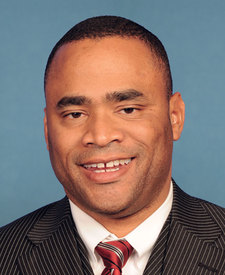
Mr. Ezell (for himself, Mr. Carter of Louisiana, and Mr. …
Referred to the House Committee on Natural Resources.
Introduced in House
Stakeholder Effects
cui bono?How this legislation distributes effects. Mention counts reflect frequency, not effect magnitude.
BSEE decommissioning staff, NOAA fisheries habitat staff
Commercial fishermen, Recreational anglers
Bill Structure & Actor Mappings
Who is "The Secretary" in each section?
We use a combination of our own taxonomy and classification in addition to large language models to assess meaning and potential beneficiaries. High confidence means strong textual evidence. Always verify with the original bill text.
Learn more about our methodology