One Citizen, One Seat Act
Summary
What This Bill Does
The One Citizen, One Seat Act changes how states must use 2020 census population data for grant-related purposes. The Commerce Secretary must revise the total population tabulation by state from the 2020 decennial census to include only U.S. citizens. Within 60 days after enactment, Commerce must provide each state its revised citizen-only tabulation. Beginning 60 days after a state receives that revised number, no federal grant may be awarded to the state unless the state uses only the revised citizen-only tabulation for every purpose for which it previously would have used the total population tabulation, and does not use the original total population tabulation except as revised. The bill therefore ties federal grant eligibility to replacing total-population census numbers with citizen-only counts in state uses.
Who Benefits and How
Advocates for citizen-only apportionment benefit because states must use citizen-only 2020 census tabulations for covered purposes. States with higher citizen shares may benefit in formulas or planning contexts that shift when noncitizens are excluded. Commerce census officials benefit from a clear statutory directive to produce the revised state tabulations. Federal grant administrators benefit from an explicit grant condition to enforce.
Who Bears the Burden and How
States with larger noncitizen populations may lose grant eligibility or formula advantages if they do not use the revised tabulation. State budget offices must replace total-population tabulations with citizen-only data to preserve grant eligibility. Commerce census staff must produce and distribute revised 2020 state tabulations within 60 days. Federal agencies awarding grants must monitor state compliance with the tabulation condition.
Key Provisions
- Requires Commerce to revise 2020 state population tabulations to include only U.S. citizens.
- Requires Commerce to provide each state the revised tabulation within 60 days after enactment.
- Blocks federal grants to states that do not use the revised tabulation for covered purposes.
- Requires states to stop using the original total population tabulation where the revised tabulation applies.
Evidence Chain:
This summary is generated from the full bill text using AI analysis. Expand "Detailed Analysis" below for identified beneficiaries/burden bearers with clause-level evidence links.
At a Glance
What This Bill Does
Requires Commerce to revise 2020 census state population tabulations to count only United States citizens, provide each state the revised tabulation within 60 days, and condition future federal grants on states using only the revised citizen-only tabulation for purposes that previously used total population.
Key Policy Areas
Census, Federal Grants, State Government
Primary Purpose
Requires Commerce to revise 2020 census state population tabulations to count only United States citizens, provide each state the revised tabulation within 60 days, and condition future federal grants on states using only the revised citizen-only tabulation for purposes that previously used total population.
Policy Domains
Resolution provisions
Identified Gains
- Citizen-only apportionment advocates
- States with higher citizen shares
- Commerce census officials
- Federal grant administrators
Identified Costs
- States with larger noncitizen populations
- State budget offices
- Commerce census staff
- Federal agencies awarding grants
Legislative Progress
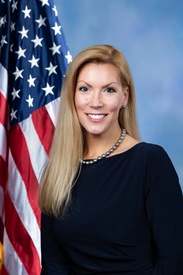
In CommitteeMs. Van Duyne introduced the following bill; which was referred …
Referred to the House Committee on Oversight and Government Reform.
Introduced in House
Stakeholder Effects
cui bono?How this legislation distributes effects. Mention counts reflect frequency, not effect magnitude.
State budget offices, States with higher citizen shares, States with larger noncitizen populations
Positive-direction: States with higher citizen shares
Negative-direction: State budget offices, States with larger noncitizen populations
Commerce census officials, Federal agencies awarding grants
Bill Structure & Actor Mappings
Who is "The Secretary" in each section?
We use a combination of our own taxonomy and classification in addition to large language models to assess meaning and potential beneficiaries. High confidence means strong textual evidence. Always verify with the original bill text.
Learn more about our methodology