WIC Benefits Protection Act
Summary
What This Bill Does
The WIC Benefits Protection Act changes the Special Supplemental Nutrition Program for Women, Infants, and Children from a program constrained by annual discretionary appropriations into one with mandatory funding language. It amends Child Nutrition Act section 17 so the Secretary shall carry out WIC, changes participation wording so eligible individuals shall be eligible rather than participation being limited to appropriated amounts, and provides an appropriation of such sums as necessary for fiscal year 2026 and each succeeding fiscal year, in addition to amounts otherwise available. The practical effect is to reduce the risk that eligible WIC participants are turned away, waitlisted, or disrupted because annual discretionary funding is insufficient.
Who Benefits and How
Pregnant women eligible for WIC benefit because the bill makes program operation mandatory and funds such sums as necessary. Infants and young children eligible for WIC benefit from reduced risk of waiting lists or benefit interruptions. State WIC agencies benefit from a more stable federal funding stream for administering benefits. WIC food vendors benefit from more reliable redemption volume if eligible participation is fully funded.
Who Bears the Burden and How
USDA Food and Nutrition Service staff must administer WIC as a mandatory funded program beginning in fiscal year 2026. Federal budget officials must treat WIC funding as such sums as necessary rather than a fixed annual discretionary amount. State WIC finance staff must adapt planning and reporting to mandatory funding availability. Federal taxpayers bear the cost of fully funding eligible WIC participation.
Key Provisions
- Requires the Secretary to carry out WIC rather than merely authorizing operation.
- Provides that eligible individuals shall be eligible to participate in WIC.
- Appropriates such sums as necessary for fiscal year 2026 and each succeeding fiscal year.
- Provides mandatory funding in addition to amounts otherwise available.
Evidence Chain:
This summary is generated from the full bill text using AI analysis. Expand "Detailed Analysis" below for identified beneficiaries/burden bearers with clause-level evidence links.
At a Glance
What This Bill Does
Makes WIC a mandatory program by changing the Child Nutrition Act from discretionary authorization language to required operation and appropriating such sums as necessary for fiscal year 2026 and each succeeding fiscal year.
Key Policy Areas
Nutrition, WIC, Appropriations
Primary Purpose
Makes WIC a mandatory program by changing the Child Nutrition Act from discretionary authorization language to required operation and appropriating such sums as necessary for fiscal year 2026 and each succeeding fiscal year.
Policy Domains
Resolution provisions
Identified Gains
- Pregnant women eligible for WIC
- Infants eligible for WIC
- State WIC agencies
- WIC food vendors
Identified Costs
- USDA Food and Nutrition Service staff
- Federal budget officials
- State WIC finance staff
- Federal taxpayers
Sponsors
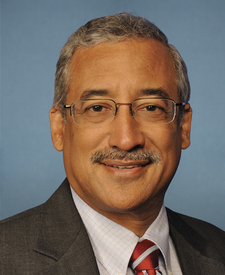


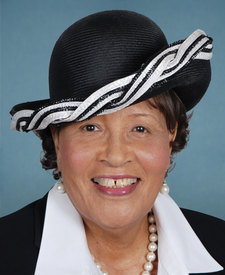

Legislative Progress
In CommitteeMr. Scott of Virginia (for himself, Ms. Bonamici, Mr. Walkinshaw, …
Referred to the House Committee on Education and Workforce.
Introduced in House
Stakeholder Effects
cui bono?How this legislation distributes effects. Mention counts reflect frequency, not effect magnitude.
Infants eligible for WIC, Pregnant women eligible for WIC
Federal budget officials, USDA Food and Nutrition Service staff
Bill Structure & Actor Mappings
Who is "The Secretary" in each section?
We use a combination of our own taxonomy and classification in addition to large language models to assess meaning and potential beneficiaries. High confidence means strong textual evidence. Always verify with the original bill text.
Learn more about our methodology