PAVE Act
Summary
What This Bill Does
The PAVE Act addresses inaccurate penicillin allergy labels among Medicare beneficiaries. The findings cite evidence that more than 90 percent of self-reported penicillin allergy labels can be disproved after testing, that labels are associated with longer hospital stays, infections, and mortality, and that evaluation can save costs. The operative section adds penicillin allergy verification and evaluation to Medicare initial preventive physical examinations and annual wellness visits. The evaluation includes identifying people who report penicillin allergy, considering whether the reaction history is consistent with allergy or can be reevaluated, explaining the individual and public health harms of a penicillin allergy label, and referring to an allergy or immunology specialist when appropriate. The bill also says same-day structured validation and evaluation services can still receive separate payment and applies the changes to exams and visits on or after January 1, 2027.
Who Benefits and How
Medicare beneficiaries with penicillin allergy labels benefit because wellness visits can include verification and referral for evaluation. Older adults needing antibiotics benefit if inaccurate labels are removed and clinicians can use safer or more effective first-line drugs. Allergy and immunology specialists benefit from referrals for structured penicillin allergy evaluation. Hospitals and clinicians benefit if delabeling reduces avoidable infections, longer stays, and antibiotic stewardship problems.
Who Bears the Burden and How
CMS preventive services staff must update Medicare coverage guidance and claims rules for 2027 visits. Primary care clinicians must add allergy-history review, patient education, and referral workflows to covered preventive visits. Medicare Administrative Contractors must process claims for the new wellness-visit element and same-day validation services. Federal Medicare financing bears any added cost for evaluation and separately payable validation services.
Key Provisions
- Adds penicillin allergy verification and evaluation to Medicare initial preventive physical examinations.
- Adds the same evaluation to Medicare annual wellness visits.
- Defines evaluation to include identification, history review, patient education, and specialist referral when appropriate.
- Provides that separate payment for same-day structured validation services is not barred.
- Applies to examinations and visits furnished on or after January 1, 2027.
Evidence Chain:
This summary is generated from the full bill text using AI analysis. Expand "Detailed Analysis" below for identified beneficiaries/burden bearers with clause-level evidence links.
At a Glance
What This Bill Does
Adds penicillin allergy verification and evaluation to Medicare initial preventive physical exams and annual wellness visits for services furnished on or after January 1, 2027, and preserves separate payment for structured validation services furnished the same day.
Key Policy Areas
Medicare, Prescription Drugs, Preventive Care
Primary Purpose
Adds penicillin allergy verification and evaluation to Medicare initial preventive physical exams and annual wellness visits for services furnished on or after January 1, 2027, and preserves separate payment for structured validation services furnished the same day.
Policy Domains
Resolution provisions
Identified Gains
- Medicare beneficiaries with penicillin allergy labels
- Older adults needing antibiotics
- Allergy specialists
- Hospitals using antibiotic stewardship
Identified Costs
- CMS preventive services staff
- Primary care clinicians
- Medicare Administrative Contractors
- Federal Medicare financing
Sponsors




Legislative Progress
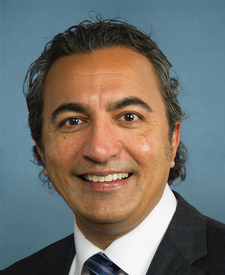
In CommitteeMr. Griffith (for himself, Mr. Bera, Mrs. Miller-Meeks, Ms. Schrier, …
Referred to the Committee on Energy and Commerce, and in …
Introduced in House
Stakeholder Effects
cui bono?How this legislation distributes effects. Mention counts reflect frequency, not effect magnitude.
Federal Medicare financing, Medicare beneficiaries with penicillin allergy labels, Older adults needing antibiotics
Positive-direction: Medicare beneficiaries with penicillin allergy labels, Older adults needing antibiotics
Negative-direction: Federal Medicare financing
Bill Structure & Actor Mappings
Who is "The Secretary" in each section?
We use a combination of our own taxonomy and classification in addition to large language models to assess meaning and potential beneficiaries. High confidence means strong textual evidence. Always verify with the original bill text.
Learn more about our methodology