Keep Air Travel Safe Act
Summary
What This Bill Does
The Keep Air Travel Safe Act creates a temporary funding backstop for the Transportation Security Administration during a shutdown. If TSA appropriations lapse, the TSA Administrator must continue all TSA programs, projects, and activities that were funded from TSA accounts in the preceding fiscal year, including direct-loan and loan-guarantee costs if any. Operations continue at a rate no greater than the prior-year regular appropriation or, if there was no regular appropriation, the continuing-resolution rate. The authority begins on the first day of the lapse and ends when the regular appropriation or continuing resolution for the fiscal year becomes law, or 180 days after the lapse begins, whichever comes first. The continued funding remains subject to prior-year terms and conditions and uses unobligated balances from section 90003 of Public Law 119-21.
Who Benefits and How
Air travelers benefit because TSA screening and aviation security programs can continue during a funding lapse. Airport security operations benefit from a statutory funding bridge rather than immediate shutdown disruption. TSA screening personnel benefit if program continuation reduces furlough or unpaid-work uncertainty. Airport operators benefit from reduced risk of checkpoint closures or severe screening slowdowns during a shutdown.
Who Bears the Burden and How
TSA budget officials must calculate prior-year operating rates, track the 180-day limit, and use eligible unobligated balances. The TSA Administrator must continue covered programs while staying within prior-year terms and conditions. Homeland Security appropriations staff must reconcile the temporary authority once a new appropriation or continuing resolution is enacted. Federal taxpayers bear the cost of using existing balances to keep TSA operating during a lapse.
Key Provisions
- Requires TSA programs, projects, and activities to continue during a TSA appropriations lapse.
- Limits operations to prior-year regular appropriation or continuing-resolution rates.
- Provides authority from the first day of the lapse until a new funding law or 180 days, whichever comes first.
- Uses unobligated balances from section 90003 of Public Law 119-21.
- Preserves prior-year terms and conditions for continued TSA activities.
Evidence Chain:
This summary is generated from the full bill text using AI analysis. Expand "Detailed Analysis" below for identified beneficiaries/burden bearers with clause-level evidence links.
At a Glance
What This Bill Does
Continues TSA programs during an appropriations lapse for up to 180 days at prior-year operating rates, using specified unobligated balances from Public Law 119-21 until a regular appropriation or continuing resolution becomes law.
Key Policy Areas
Transportation Security, Government Shutdowns, Appropriations
Primary Purpose
Continues TSA programs during an appropriations lapse for up to 180 days at prior-year operating rates, using specified unobligated balances from Public Law 119-21 until a regular appropriation or continuing resolution becomes law.
Policy Domains
Resolution provisions
Identified Gains
- Air travelers
- Airport security operations
- TSA screening personnel
- Airport operators
Identified Costs
- TSA budget officials
- TSA Administrator
- Homeland Security appropriations staff
- Federal taxpayers
Sponsors

Legislative Progress
In CommitteeReferred to the Subcommittee on Transportation and Maritime Security.
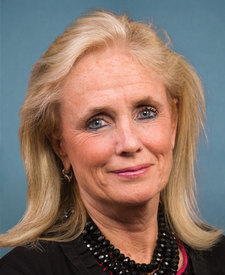
Mrs. Dingell (for herself and Ms. Brownley) introduced the following …
Referred to the Committee on Homeland Security, and in addition …
Introduced in House
Stakeholder Effects
cui bono?How this legislation distributes effects. Mention counts reflect frequency, not effect magnitude.
Homeland Security appropriations staff, TSA budget officials
Bill Structure & Actor Mappings
Who is "The Secretary" in each section?
We use a combination of our own taxonomy and classification in addition to large language models to assess meaning and potential beneficiaries. High confidence means strong textual evidence. Always verify with the original bill text.
Learn more about our methodology