Fraud Reduction And Uncovering Deception (FRAUD) in VA Disability Exams Act
Summary
What This Bill Does
This bill adds a fraud-detection process for VA disability benefit questionnaire forms. The Secretary of Veterans Affairs must take actions to identify fraudulent activity in data submitted on VA disability benefit questionnaire forms, regardless of the source of those forms. Those actions must include a process for claims processors to identify suspected fraud and send reports to appropriate investigatory bodies, including the VA Office of Inspector General.
VA must also establish recurring audits of disability benefit questionnaire forms and notify an individual who submitted a form or claim when VA suspects the form or claim may contain fraudulent information. To investigate suspected fraud identified through the new process, the VA Inspector General may use any authority available to a federal inspector general that is not otherwise available under VA-administered laws, if the Inspector General determines the authority is necessary.
Who Benefits and How
Veterans with legitimate disability claims benefit from a more reliable questionnaire process and reduced risk that fraudulent submissions undermine trust in the system. VA claims processors benefit from a formal process for identifying and referring suspected questionnaire fraud. VA Inspector General investigators benefit from broader investigative authority when the process identifies suspected fraud. Federal taxpayers benefit from stronger controls against improper disability payments. Veterans service organizations benefit if the questionnaire process becomes more credible.
Who Bears the Burden and How
VA claims processors must identify suspected fraud, document concerns, and refer reports to investigatory bodies. VA audit staff must conduct recurring audits of disability benefit questionnaire forms. Individuals submitting suspected fraudulent forms or claims must be notified and may face investigation. VA Inspector General investigators must evaluate referrals and use expanded authority only when necessary. Claimants using questionable medical evidence face higher enforcement exposure.
Key Provisions
- Requires VA to identify fraudulent activity in disability benefit questionnaire submissions.
- Creates a process for claims processors to report suspected fraud to investigatory bodies.
- Requires recurring audits of disability benefit questionnaire forms.
- Requires VA to notify individuals when a submitted form or claim is suspected of fraud.
- Allows the VA Inspector General to use broader federal inspector-general authorities for necessary investigations.
Evidence Chain:
This summary is generated from the full bill text using AI analysis. Expand "Detailed Analysis" below for identified beneficiaries/burden bearers with clause-level evidence links.
At a Glance
What This Bill Does
Requires VA to detect, audit, refer, investigate, notify, and report suspected fraud in disability benefit questionnaire submissions, including fraud regardless of form source, and allows the VA Inspector General to use broader federal inspector-general authorities when investigating suspected questionnaire fraud.
Key Policy Areas
Veterans, Fraud Prevention, Benefits Administration
Primary Purpose
Requires VA to detect, audit, refer, investigate, notify, and report suspected fraud in disability benefit questionnaire submissions, including fraud regardless of form source, and allows the VA Inspector General to use broader federal inspector-general authorities when investigating suspected questionnaire fraud.
Policy Domains
House resolution provisions
Identified Gains
- Veterans with legitimate disability claims
- VA claims processors
- VA Inspector General investigators
- Federal taxpayers
- Veterans service organizations
Identified Costs
- VA claims processors
- VA audit staff
- Individuals submitting suspected fraudulent forms
- VA Inspector General investigators
- Claimants using questionable medical evidence
Sponsors
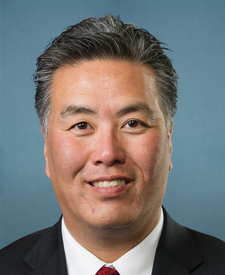
Legislative Progress
ReportedOrdered to be Reported (Amended) by Voice Vote.
Committee Consideration and Mark-up Session Held
Forwarded by Subcommittee to Full Committee by Voice Vote.
Forwarded by Subcommittee to Full Committee by Voice Vote.
Subcommittee Hearings Held
Referred to the Subcommittee on Disability Assistance and Memorial Affairs.
Introduced in House
Referred to the House Committee on Veterans' Affairs.
Mr. Takano introduced the following bill; which was referred to …
Stakeholder Effects
cui bono?How this legislation distributes effects. Mention counts reflect frequency, not effect magnitude.
Veterans and legitimate claimants who could benefit from a more reliable disability questionnaire process
VA claims processors, investigators, and administrators responsible for fraud detection, referral, notification, and reporting
Bill Structure & Actor Mappings
Who is "The Secretary" in each section?
- "va"
- → Department of Veterans Affairs
- "oig"
- → VA Office of Inspector General
We use a combination of our own taxonomy and classification in addition to large language models to assess meaning and potential beneficiaries. High confidence means strong textual evidence. Always verify with the original bill text.
Learn more about our methodology