Preserving a Sharia-Free America Act
Summary
What This Bill Does
The Preserving a Sharia-Free America Act creates an immigration exclusion and removal rule based on adherence to Sharia law. The Secretary of State, Secretary of Homeland Security, and Attorney General must deny any immigration benefit, visa, immigration relief, or admission to any alien who adheres to Sharia law. If an alien in the United States is found by those officials to be an adherent, the person's immigration benefit, relief, or visa is revoked, the person is considered inadmissible or deportable, and the person must be removed. False statements under 18 U.S.C. 1001 to federal officials or any branch of government about adherence also trigger revocation, inadmissibility or deportability, and removal. The bill says these determinations are final notwithstanding any other law and are not subject to review by any court.
Who Benefits and How
Immigration restriction advocates benefit from a broad statutory exclusion and removal rule tied to Sharia adherence. State Department consular officers benefit from explicit authority to deny visas based on the new criterion. DHS immigration officers benefit from a statutory basis to revoke benefits and pursue removals. Justice Department immigration officials benefit from final determination authority under the bill.
Who Bears the Burden and How
Muslim immigrants and visa applicants face denial, revocation, removal, and loss of court review if officials determine they adhere to Sharia law. Immigration attorneys face a new categorical ground with limited judicial review for clients to contest. Federal courts lose review authority over determinations made under the Act. Consular and immigration adjudicators must make religious-adherence determinations that may create constitutional and evidentiary disputes.
Key Provisions
- Requires denial of immigration benefits, visas, relief, or admission for aliens determined to adhere to Sharia law.
- Requires revocation, inadmissibility or deportability, and removal for aliens in the United States found to adhere to Sharia law.
- Requires the same consequences for false statements about adherence under 18 U.S.C. 1001.
- Bars judicial review by making covered determinations final notwithstanding other law.
Evidence Chain:
This summary is generated from the full bill text using AI analysis. Expand "Detailed Analysis" below for identified beneficiaries/burden bearers.
At a Glance
What This Bill Does
Requires State, DHS, and the Attorney General to deny, revoke, and remove immigration benefits, visas, relief, admission, and status for aliens determined to adhere to Sharia law, penalizes false statements about adherence, and makes those determinations final and not subject to court review.
Key Policy Areas
Immigration, Religious Discrimination, Judicial Review
Primary Purpose
Requires State, DHS, and the Attorney General to deny, revoke, and remove immigration benefits, visas, relief, admission, and status for aliens determined to adhere to Sharia law, penalizes false statements about adherence, and makes those determinations final and not subject to court review.
Policy Domains
Resolution provisions
Identified Gains
Contextual inference, no direct clause citation- Immigration restriction advocates
- State Department consular officers
- DHS immigration officers
- Justice Department immigration officials
Contextual inference, no direct clause citation
Identified Costs
Contextual inference, no direct clause citation- Muslim immigrants
- Visa applicants affected by Sharia determinations
- Immigration attorneys
- Federal courts
Contextual inference, no direct clause citation
Sponsors

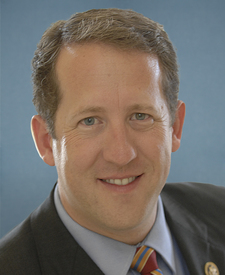


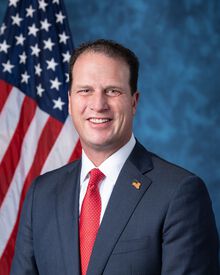
Legislative Progress
In CommitteeMr. Roy (for himself, Mr. Fine, Mr. Burchett, and Mr. …
Referred to the House Committee on the Judiciary.
Introduced in House
Bill Structure & Actor Mappings
Who is "The Secretary" in each section?
We use a combination of our own taxonomy and classification in addition to large language models to assess meaning and potential beneficiaries. High confidence means strong textual evidence. Always verify with the original bill text.
Learn more about our methodology