Protect Our Judiciary Act of 2025
Summary
What This Bill Does
The Protect Our Judiciary Act of 2025 amends 18 U.S.C. 1507. It removes the building-or-residence phrase from the existing text and adds a separate sentence making it a federal offense to knowingly picket or parade in or near a building or residence being used by a judge, juror, witness, or court officer, or to use a sound truck or similar device or other demonstration near that building or residence. The penalty is a fine under title 18, imprisonment for not more than one year, or both. The bill therefore targets demonstrations around homes or buildings associated with participants in judicial proceedings rather than changing judicial security funding or court operations more broadly.
Who Benefits and How
Federal judges benefit from a clearer criminal prohibition on demonstrations near homes or buildings they use. Jurors benefit because the same protection applies to buildings or residences they use during judicial proceedings. Witnesses benefit from a deterrent against demonstrations intended to pressure them near homes or buildings. Court officers benefit because they are included in the protected categories.
Who Bears the Burden and How
Protesters near judicial residences face criminal liability for knowing picketing, parading, sound-truck use, or similar demonstrations. Federal prosecutors must evaluate and bring cases under the revised section 1507 standard. Federal law enforcement officers must investigate and enforce the new residential or building-focused offense. First Amendment litigants may challenge how the revised criminal prohibition applies to demonstrations.
Key Provisions
- Amends 18 U.S.C. 1507 on picketing or parading related to courts.
- Prohibits knowing picketing, parading, sound-truck use, or similar demonstrations near covered buildings or residences.
- Protects judges, jurors, witnesses, and court officers.
- Provides penalties of a title 18 fine, up to one year imprisonment, or both.
Evidence Chain:
This summary is generated from the full bill text using AI analysis. Expand "Detailed Analysis" below for identified beneficiaries/burden bearers with clause-level evidence links.
At a Glance
What This Bill Does
Amends the federal picketing statute to create a separate offense for knowingly picketing, parading, using sound trucks, or demonstrating near a building or residence being used by a judge, juror, witness, or court officer, punishable by fine or up to one year imprisonment.
Key Policy Areas
Judiciary, Public Safety, Criminal Law
Primary Purpose
Amends the federal picketing statute to create a separate offense for knowingly picketing, parading, using sound trucks, or demonstrating near a building or residence being used by a judge, juror, witness, or court officer, punishable by fine or up to one year imprisonment.
Policy Domains
Resolution provisions
Identified Gains
- Federal judges
- Jurors
- Witnesses
- Court officers
Identified Costs
- Protesters near judicial residences
- Federal prosecutors
- Federal law enforcement officers
- First Amendment litigants
Sponsors
Legislative Progress
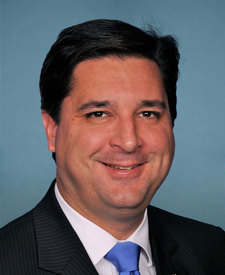
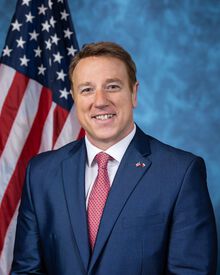
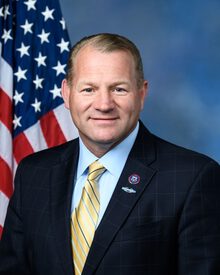
In CommitteeMr. Rouzer (for himself and Mr. Fallon) introduced the following …
Referred to the House Committee on the Judiciary.
Introduced in House
Stakeholder Effects
cui bono?How this legislation distributes effects. Mention counts reflect frequency, not effect magnitude.
Bill Structure & Actor Mappings
Who is "The Secretary" in each section?
We use a combination of our own taxonomy and classification in addition to large language models to assess meaning and potential beneficiaries. High confidence means strong textual evidence. Always verify with the original bill text.
Learn more about our methodology